✓ The metaverse is not a single technology, but a convergence of many, including VR, AR, and AI.
✓ It aims to create persistent, shared, 3D virtual spaces accessible in real-time.
✓ Economic activity, social interaction, and digital ownership are central to its vision.
✓ It's currently in its early stages, evolving rapidly with contributions from many companies.
How It Works
1
Access Devices
Users will primarily access the metaverse through virtual reality (VR) headsets, augmented reality (AR) glasses, or even standard screens. These devices serve as portals to the digital world.
2
Digital Avatars & Identity
You'll represent yourself with customizable digital avatars that can move across different metaverse platforms. This avatar becomes your persistent identity within these virtual spaces.
3
Persistent Virtual Worlds
Unlike current online games, the metaverse envisions always-on, interconnected 3D environments that continue to exist and evolve even when you're not logged in. These worlds host social gatherings, work meetings, entertainment, and more.
4
Economic Systems & Ownership
Built on blockchain technology, the metaverse allows for true digital ownership of assets like virtual land, clothing, and art (NFTs). This enables a robust virtual economy where users can buy, sell, and trade.
Unpacking the Core Concept: What Exactly is the Metaverse?
Photo: RDNE Stock project / Pexels
The term 'metaverse' has exploded into public consciousness, yet its precise definition remains elusive for many. At its heart, the metaverse isn't a single product or platform, but rather a conceptual evolution of the internet – a persistent, interconnected network of 3D virtual worlds. Imagine moving seamlessly between a virtual concert, a digital meeting room, and a fantastical gaming environment, all while maintaining your unique digital identity and assets. This fluidity and permanence are key differentiators from current online experiences.
Think of the internet as it exists today: a collection of websites and apps you visit. The metaverse aims to transform this into a collection of interconnected virtual spaces you *inhabit*. It’s not just about looking at a screen; it's about being *inside* the experience. This doesn't necessarily mean you always need a bulky VR headset. While virtual reality (VR) and augmented reality (AR) are crucial components for immersive experiences, the metaverse can also be accessed through traditional devices like smartphones, tablets, and computers, albeit with a less immersive feel. The goal is to create a sense of presence, where you feel like you are truly there, interacting with other people and digital objects in real-time. This sense of presence is what distinguishes a metaverse experience from simply watching a video or browsing a webpage. It's about shared experiences that unfold live, with consequences and interactions that persist.
Furthermore, the metaverse emphasizes interoperability. This means your digital avatar, your virtual clothing, or even your purchased digital art should ideally be usable across different metaverse platforms, not locked into a single ecosystem. This is a monumental technical challenge, akin to making all apps on your phone work with each other's data seamlessly, regardless of who developed them. However, it's a fundamental principle for achieving a truly open and expansive metaverse. Without interoperability, the metaverse risks becoming a collection of walled gardens, much like the disparate online platforms we navigate today. The vision is a unified digital universe, not a series of disconnected virtual islands.
Another critical aspect is the concept of persistence. Unlike many online games that reset or have server maintenance, the metaverse is envisioned as an always-on environment. Changes you make, events that occur, and structures you build within these virtual worlds would remain, evolving over time. This continuous existence fosters a sense of history and community, making the digital space feel more real and impactful. This persistence is what allows for the creation of enduring digital communities and economies, where actions have lasting effects and relationships can deepen over time. Understanding these foundational elements is crucial to grasping the true potential of the metaverse beyond the hype.
The Technologies Powering the Metaverse: Beyond Just VR
Photo: Atlantic Ambience / Pexels
While virtual reality (VR) often takes center stage when discussing the metaverse, it’s just one piece of a much larger technological puzzle. The metaverse is a convergence of several cutting-edge technologies, each playing a vital role in creating its immersive, persistent, and interactive nature. Understanding these underlying technologies is key to grasping how the metaverse functions and what makes it distinct from previous digital innovations.
**Virtual Reality (VR) and Augmented Reality (AR):** These are perhaps the most recognizable interfaces for the metaverse. VR headsets fully immerse users in a digital world, blocking out the physical environment. AR, on the other hand, overlays digital information onto the real world, enhancing our perception of reality. Both provide crucial pathways for experiencing the metaverse, offering varying degrees of immersion and interaction. VR allows for deep, escapist experiences, while AR integrates digital elements into our daily lives, from virtual navigation to interactive product previews.
**Blockchain Technology and NFTs:** This is where the concept of digital ownership truly comes into play. Blockchain, the decentralized ledger technology behind cryptocurrencies, provides a secure and transparent way to verify ownership of digital assets. Non-Fungible Tokens (NFTs) are unique digital tokens stored on a blockchain, representing ownership of specific items – be it virtual land, exclusive digital art, or unique avatar clothing. This technology underpins the metaverse's economy, enabling users to buy, sell, and trade digital goods with verifiable scarcity and authenticity. Without blockchain, the concept of true digital ownership, independent of a central platform, would be nearly impossible.
**Artificial Intelligence (AI):** AI will play a multifaceted role in the metaverse. It can power intelligent non-player characters (NPCs) and virtual assistants, making interactions more dynamic and realistic. AI algorithms can also personalize experiences, generate content, and even moderate virtual spaces. Imagine AI-powered shopkeepers in a virtual mall or AI companions in a gaming environment, all contributing to a richer, more responsive world.
**3D Modeling and Spatial Computing:** The metaverse is inherently a 3D environment. Advanced 3D modeling tools and spatial computing are essential for creating the detailed virtual worlds, objects, and avatars that populate it. Spatial computing refers to the technology that allows software to understand and interact with the physical world in three dimensions, bridging the gap between digital content and real-world spaces. This includes everything from rendering realistic textures to simulating physics within the virtual environment, ensuring a believable and engaging experience.
**High-Speed Connectivity (5G/6G):** For the metaverse to be truly seamless and responsive, ultra-low latency and high-bandwidth internet connections are paramount. Technologies like 5G and future 6G networks are crucial for streaming complex 3D environments, supporting real-time interactions, and handling the massive data flows required for persistent virtual worlds. Without robust connectivity, the metaverse would suffer from lag, disconnections, and a diminished user experience, making these network advancements foundational to its success.
Applications and Potential: How the Metaverse Could Change Our Lives
Photo: Michelangelo Buonarroti / Pexels
The metaverse isn't just a futuristic concept; it's already beginning to manifest in various forms, promising to transform how we work, play, socialize, and learn. Its potential applications stretch across almost every sector, offering new avenues for interaction and innovation. Understanding these diverse uses helps to paint a clearer picture of its transformative power and how it might integrate into our daily lives. This isn't just about entertainment; it's about fundamentally altering our digital engagements.
**Social Interaction and Entertainment:** This is perhaps the most immediate and visible application. Imagine attending a concert with thousands of other avatars from around the world, feeling the shared energy as if you were physically there. Or meeting friends in a virtual cafe, playing games, or simply hanging out in a personalized digital space. Platforms like Decentraland and The Sandbox already offer glimpses into these social virtual worlds, where users can buy land, build experiences, and interact. The metaverse could offer richer, more immersive social connections than current video calls, providing a sense of presence and shared activity that transcends geographical boundaries. It’s about more than just seeing faces; it’s about experiencing a shared environment.
**Work and Collaboration:** The COVID-19 pandemic accelerated the shift to remote work, and the metaverse offers a compelling evolution of virtual collaboration. Instead of flat video calls, imagine meeting colleagues in a 3D virtual office, where you can move around, interact with digital whiteboards, and brainstorm in a more natural, engaging way. Companies like Meta are already investing heavily in platforms like Horizon Workrooms, aiming to make remote work feel more collaborative and less isolating. This could lead to increased productivity and a more fulfilling remote work experience by mimicking the spontaneity and interaction of physical workspaces. The future of remote work might be intrinsically linked to metaverse development.
**Education and Training:** The immersive nature of the metaverse makes it an ideal platform for learning. Students could explore historical sites, conduct virtual science experiments, or dissect virtual anatomy models in ways that are impossible in a traditional classroom. Medical students could practice complex surgeries, engineers could design and test prototypes in a safe virtual environment, and apprentices could gain hands-on experience without physical risks. This experiential learning can lead to deeper understanding and skill development, breaking down the limitations of physical resources and geographical access to experts.
**Commerce and Economy:** The metaverse opens up entirely new economic opportunities. Users can buy and sell digital goods (NFTs) – from avatar clothing and accessories to virtual real estate and art. Brands are already establishing virtual storefronts and hosting digital fashion shows. This creates a parallel economy where creators, businesses, and individuals can generate real value. This new digital economy could empower a new generation of digital entrepreneurs and artists, creating new jobs and revenue streams within these virtual worlds. The ability to own and monetize digital assets fundamentally changes the relationship users have with online content and platforms.
**Gaming and Experiential Content:** While gaming is often seen as a precursor to the metaverse, the metaverse takes it to another level. Games become persistent, interconnected worlds where users are not just playing roles but living digital lives. Beyond traditional gaming, the metaverse enables entirely new forms of experiential content, from interactive storytelling to virtual tourism, offering immersive experiences that blur the lines between reality and simulation. The potential for narrative depth and player agency in these persistent worlds is unprecedented, offering experiences far beyond current gaming paradigms.
Navigating the Challenges and Ethical Considerations of the Metaverse
Photo: SHVETS production / Pexels
While the promise of the metaverse is vast and exciting, its development is not without significant hurdles and profound ethical implications. As with any nascent technology poised to redefine human interaction, it's crucial to address these challenges proactively to ensure a metaverse that is safe, equitable, and beneficial for all. Ignoring these issues could lead to unintended consequences that undermine its potential.
**Technical Hurdles:** Creating a truly interoperable, persistent, and high-fidelity metaverse requires immense computational power, robust network infrastructure, and advanced software development. Rendering complex 3D environments in real-time for millions of users simultaneously, across diverse devices, is a monumental technical challenge. Ensuring seamless transitions between different virtual worlds and maintaining a consistent digital identity across platforms also demands unprecedented levels of standardization and collaboration among competing tech giants. The current internet, for all its power, is still largely built on discrete applications; knitting them into a unified, immersive fabric is a different beast entirely.
**Privacy and Data Security:** The metaverse will generate an unprecedented amount of personal data, from biometric information (gaze tracking, body movements) to interaction histories and purchasing patterns. Protecting this data from breaches and misuse is paramount. Who owns this data? How will it be used? Will users have genuine control over their digital footprints? These questions need clear answers and robust regulatory frameworks to prevent exploitation and maintain user trust. The immersive nature of the metaverse means data collection will be far more intimate and continuous than on current platforms, necessitating heightened scrutiny.
**Digital Safety and Harassment:** Just like current online platforms, the metaverse could become a breeding ground for harassment, hate speech, and other harmful behaviors. The immersive nature of VR could make such experiences even more visceral and psychologically damaging. Developing effective moderation tools, establishing clear codes of conduct, and implementing robust reporting mechanisms are critical. However, balancing user freedom with safety in a decentralized, global environment will be an ongoing challenge. The anonymity and lack of physical consequence in virtual spaces could embolden bad actors, making robust safety protocols essential.
**Digital Divide and Accessibility:** Access to the metaverse will likely require expensive hardware (VR headsets, powerful computers) and high-speed internet. This could exacerbate the existing digital divide, creating a new form of inequality where only those with the means can fully participate in this evolving digital future. Ensuring accessibility for people with disabilities also needs to be a core design principle, not an afterthought. If the metaverse becomes a primary mode of interaction, those without access risk being left behind, deepening societal divides.
**Regulatory and Governance Frameworks:** Who governs the metaverse? How will laws apply to virtual actions? Issues like digital property rights, intellectual property infringement, and jurisdiction over virtual crimes are complex and largely uncharted territory. International cooperation will be essential to establish consistent legal and ethical frameworks for a borderless digital realm. Without clear governance, the metaverse could descend into a chaotic free-for-all, hindering its potential for positive societal impact.
**Psychological Impact:** Spending significant time in highly immersive virtual worlds could have unforeseen psychological effects, from altered perceptions of reality to potential addiction. Understanding and mitigating these risks through responsible design and user education will be crucial for promoting healthy engagement with the metaverse. The line between the physical and digital self may blur, prompting new questions about identity and well-being. Addressing these complex challenges requires a multi-stakeholder approach, involving technologists, policymakers, ethicists, and the users themselves, to build a metaverse that is not only technologically advanced but also socially responsible and human-centric.
Comparison
Feature
Metaverse (Vision)
Current Internet (Web 2.0)
Traditional Online Games
Immersion
Highly Immersive (3D, VR/AR)
Mostly 2D (text, images, video)
3D, but often session-based
Persistence
Always-on, continuous
Session-based (website visits)
Often server-based, resets
Interoperability
Seamless across platforms
Limited, walled gardens
Platform-specific
Digital Ownership
True ownership (NFTs)
Limited, platform-dependent
In-game items (platform-locked)
Economic System
Decentralized, user-driven
Centralized, ad-driven
Centralized, publisher-driven
Identity
Persistent, portable avatar
Multiple profiles/logins
Game-specific avatars
Interaction
Real-time, spatial, social
Asynchronous, transactional
Real-time, focused on gameplay
What Readers Say
★★★★★
"This article finally made 'what is the metaverse explained simply' click for me. I understood the difference between VR and the broader concept. Very clear and concise!"
Alex Chen · San Francisco, CA
★★★★★
"As someone who felt overwhelmed by the metaverse hype, this guide was a lifesaver. The explanations of blockchain and NFTs' role were particularly helpful."
Maria Rodriguez · Austin, TX
★★★★★
"I used to think the metaverse was just a game, but this article showed me its massive potential for work and education. My team is now exploring virtual collaboration tools."
David Lee · New York, NY
★★★★★
"A very thorough explanation of what is the metaverse explained simply. I appreciated the balance between the exciting possibilities and the important ethical challenges discussed."
Sarah Kim · Chicago, IL
★★★★★
"From a non-technical background, I found the breakdown of the core technologies surprisingly easy to follow. It really demystified a complex topic."
Michael Brown · Miami, FL
Frequently Asked Questions
Is the metaverse just virtual reality?
No, virtual reality (VR) is a key technology for experiencing the metaverse, but it's not the metaverse itself. The metaverse is a broader concept of persistent, interconnected 3D virtual worlds that can be accessed through various devices, including VR headsets, augmented reality (AR) glasses, and even traditional screens. VR provides a highly immersive portal, but it's just one component.
Is the metaverse safe to use?
Safety in the metaverse is a significant concern and is actively being addressed. While it offers exciting new ways to interact, challenges like harassment, data privacy, and digital security need robust solutions. Developers are working on moderation tools, and users are encouraged to be aware of privacy settings and report inappropriate behavior, similar to current online platforms, but with added complexities due to immersion.
How can I access the metaverse today?
You can access early versions and platforms that are considered precursors to the full metaverse vision. This includes social VR platforms like Meta Horizon Worlds, gaming metaverses like Decentraland and The Sandbox, and various VR/AR applications. Typically, you'll need a VR headset (e.g., Oculus Quest, Valve Index) or a powerful computer to experience the more immersive environments, though many can be accessed via web browsers.
Will the metaverse cost money to use?
Accessing the core metaverse experience may not always require direct payment, as many platforms could offer free entry points. However, participating in its economy will involve costs, such as purchasing digital assets (NFTs), virtual land, or premium experiences. Hardware like VR headsets also represents an initial investment. The economic models are still evolving, but expect a mix of free-to-access and paid content/items.
How is the metaverse different from online games?
While many online games feature 3D worlds and multiplayer interaction, the metaverse aims for true persistence, interoperability across different platforms, and a broader scope beyond just gaming. In the metaverse, your digital identity and assets are meant to be portable, and the environment continues to exist and evolve even when you're offline, fostering a more integrated digital 'life' rather than just a game session.
Who should be interested in the metaverse?
Anyone interested in the future of technology, digital interaction, commerce, and creativity should pay attention to the metaverse. This includes gamers, artists, developers, businesses looking for new marketing or collaboration tools, educators seeking immersive learning environments, and individuals curious about new forms of social connection and digital ownership. Its broad applications mean it has relevance for almost everyone.
What are the biggest risks of the metaverse?
The biggest risks include privacy violations due to extensive data collection, increased digital harassment and cyberbullying exacerbated by immersion, potential for digital addiction, exacerbation of the digital divide due to hardware and connectivity requirements, and complex legal/ethical challenges regarding content moderation, digital ownership, and jurisdiction in a decentralized, global virtual space. Addressing these requires careful planning and collaboration.
What does the future hold for the metaverse?
The future of the metaverse is expected to involve greater technological sophistication, including more realistic graphics, advanced AI, and seamless integration with augmented reality. We'll likely see increased interoperability between platforms, a more robust and decentralized digital economy, and its deeper integration into everyday life for work, education, and entertainment. It's a long-term vision, constantly evolving with new innovations.
The metaverse is more than just a buzzword; it's a transformative vision for the internet's future. By understanding 'what is the metaverse explained simply,' you're better equipped to navigate its evolving landscape, participate in its opportunities, and contribute to shaping a responsible digital tomorrow. Dive deeper and stay informed as this exciting new frontier unfolds.
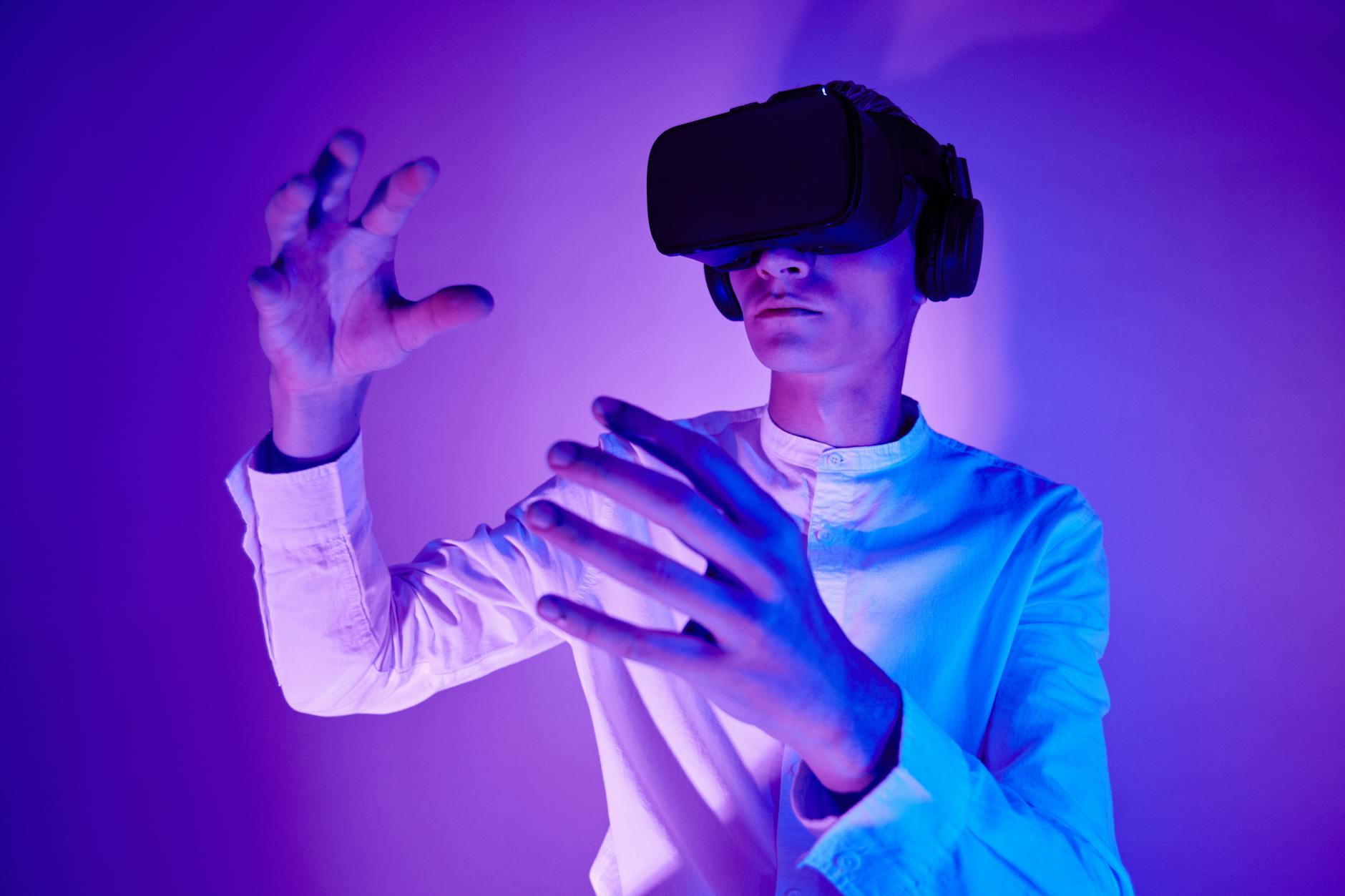
 Photo: RDNE Stock project / Pexels
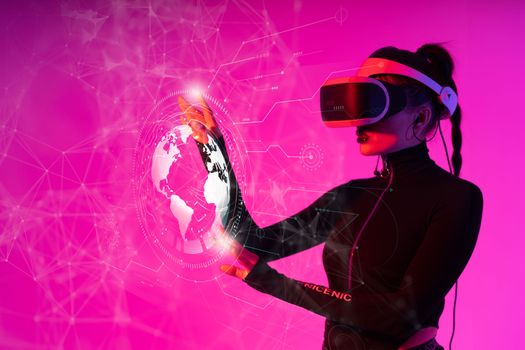 Photo: Atlantic Ambience / Pexels
 Photo: Michelangelo Buonarroti / Pexels
 Photo: SHVETS production / Pexels