What is the Metaverse Concept? Your Ultimate Guide
August 19, 2026 15 min read 3,099 words
Explore the foundational ideas and cutting-edge technologies that define the metaverse, and understand its profound implications.
Dive Into the Future
Demystifying the Metaverse: A Foundational Understanding
 Photo: Ron Lach / Pexels
The term 'metaverse' has rapidly entered popular discourse, often shrouded in hype and misunderstanding. At its core, the metaverse is not a single technology, company, or destination, but rather a conceptual evolution of the internet itself. Imagine a persistent, interconnected, and interactive network of 3D virtual worlds where individuals, represented by digital avatars, can socialize, work, play, learn, and transact in real-time. This isn't merely an online game or a social media platform; it's envisioned as an immersive digital layer that converges with, and often augments, our physical reality. Think of it as the internet you can 'step into' rather than merely look at on a screen.
Historically, the idea of a virtual shared space dates back to science fiction, most notably Neal Stephenson's 1992 novel 'Snow Crash,' which coined the term. In Stephenson's vision, the metaverse was a virtual reality where people escaped a dystopian physical world. Today's interpretation, while inspired by this, is far more optimistic and grounded in current technological capabilities. It seeks to enhance human connection and productivity, offering new avenues for creativity and commerce. The metaverse is characterized by several key attributes: persistence, meaning it never 'resets' or ends; real-time interaction, allowing for synchronous experiences; economic functionality, enabling users to create, own, invest, and sell digital assets; and interoperability, the ability to seamlessly move digital items and identities between different virtual spaces, though this last attribute is still largely aspirational.
Crucially, understanding what is the metaverse concept requires recognizing its decentralized nature. While large corporations like Meta (formerly Facebook) are heavily investing in its development, the ultimate vision for the metaverse is not a single, proprietary platform. Instead, it's expected to be an open ecosystem built by many different entities, utilizing open standards and protocols to ensure broad accessibility and interoperability. This is where technologies like blockchain play a pivotal role, offering transparent ownership and decentralized governance. The shift from Web 2.0's centralized platforms to Web3's decentralized, user-owned internet is a fundamental undercurrent driving the metaverse's evolution. It promises a future where digital experiences are not just consumed, but truly owned and shaped by the users themselves, fostering an unprecedented level of digital autonomy and creativity. The implications for industries ranging from entertainment and education to retail and healthcare are profound, suggesting a future where digital twins of physical spaces and objects become commonplace, and where our digital lives become as rich and meaningful as our physical ones. This evolution is not a distant fantasy; it's already taking shape, albeit in nascent forms, across various platforms and applications today.
Understanding Web3's role is crucial to grasping this shift.
The Core Technologies Powering the Metaverse Experience
 Photo: https://kaboompics.com/ / Pexels
The ambitious vision of the metaverse is underpinned by a confluence of advanced technologies, each playing a critical role in bringing these immersive digital worlds to life. Without these foundational elements, the metaverse would remain a concept rather than a tangible reality. The most visible of these are Virtual Reality (VR) and Augmented Reality (AR) headsets. VR devices, like Meta Quest or HTC Vive, fully immerse users in a digital environment, blocking out the physical world. This deep immersion is crucial for creating a sense of 'presence' within the metaverse, making interactions feel more real and impactful. AR, on the other hand, overlays digital information onto the real world, enhancing our physical surroundings rather than replacing them. Devices like smart glasses or even smartphone AR apps allow for a blended reality experience, hinting at a future where digital elements are seamlessly integrated into our daily lives, blurring the lines between the physical and digital. These immersive interfaces are the gateways through which we will experience the metaverse.
Beyond the visual interface, a robust infrastructure is essential. High-speed, low-latency connectivity, primarily driven by 5G and future 6G networks, is non-negotiable. The metaverse demands instantaneous data transfer to render complex 3D environments, support real-time interactions among thousands of users, and stream high-fidelity content without lag. Without this, the immersive experience breaks down, leading to motion sickness or frustration. Cloud computing also plays a vital role, providing the immense processing power and storage necessary to host these vast, persistent virtual worlds and their ever-growing populations of users and assets. This distributed computing power ensures that the metaverse can scale and remain accessible globally, regardless of individual device capabilities.
Blockchain technology and Non-Fungible Tokens (NFTs) are perhaps the most revolutionary enablers of the metaverse's economic and ownership structures. Blockchain provides a secure, transparent, and immutable ledger for recording ownership of digital assets. NFTs, which are unique digital tokens stored on a blockchain, allow users to genuinely own virtual land, digital clothing for their avatars, unique artwork, or in-game items. This verifiable digital ownership is a paradigm shift from traditional online games where users merely 'license' items from a central server. In the metaverse, NFTs enable a true digital economy, allowing users to buy, sell, and trade assets with confidence, fostering entrepreneurship and creativity within these virtual spaces. This also extends to decentralized autonomous organizations (DAOs), which can govern aspects of metaverse platforms, giving power to the community rather than a single corporate entity.
Finally, Artificial Intelligence (AI) and Machine Learning (ML) are quietly working behind the scenes to enhance the metaverse experience. AI can power intelligent non-player characters (NPCs) and virtual assistants, making interactions more dynamic and realistic. It can also personalize experiences, generate procedural content, and optimize performance. ML algorithms can analyze user behavior to create more engaging and tailored virtual environments, predict trends, and even help in content moderation. The synergy of these technologies—immersive interfaces, robust connectivity, decentralized ownership, and intelligent automation—is what truly defines what is the metaverse concept and propels it towards becoming the next iteration of human interaction and digital existence. Each component is interdependent, contributing to a holistic digital ecosystem that promises to redefine our relationship with technology and each other.
The Transformative Impact of the Metaverse on Industries and Daily Life
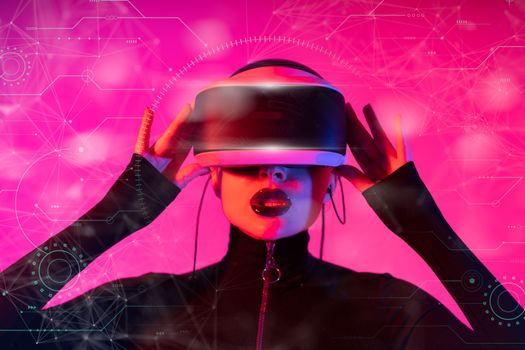 Photo: Atlantic Ambience / Pexels
The advent of the metaverse is not merely a technological novelty; it represents a profound paradigm shift with the potential to fundamentally reshape numerous industries and aspects of our daily lives. Its impact is expected to extend far beyond entertainment and gaming, permeating sectors that traditionally seemed untouched by virtual realms. Consider the world of work: the metaverse could revolutionize remote collaboration. Instead of 2D video calls, teams could meet in persistent 3D virtual offices, interact with digital whiteboards, and engage in more natural, spatial communication. Virtual training simulations, especially for high-risk professions like surgery or engineering, could become incredibly realistic and accessible, allowing for practice in a consequence-free environment. This could lead to significant advancements in skill development and operational efficiency. Furthermore, the metaverse offers new avenues for talent acquisition and distributed workforces, breaking down geographical barriers even further than current remote work models. The ability to create 'digital twins' of physical factories or construction sites allows for real-time monitoring, predictive maintenance, and collaborative design from anywhere in the world, dramatically improving productivity and reducing waste.
Exploring virtual collaboration tools gives a glimpse into this future.
In the realm of commerce and retail, the metaverse presents unprecedented opportunities for engagement and monetization. Brands are already experimenting with virtual storefronts, digital fashion, and immersive product experiences where customers can 'try on' clothes with their avatars or virtually test drive cars. The concept of 'phygital' experiences, blending physical and digital interactions, will become mainstream, allowing consumers to interact with products in virtual spaces before making physical purchases, or even owning digital versions of items they possess physically. Events and entertainment are also ripe for transformation. Virtual concerts, festivals, and sporting events could host millions of attendees from across the globe, offering unique interactive experiences that transcend physical limitations. Imagine attending a concert where you can fly around the stage or interact with other fans in ways impossible in a physical venue. These events can generate new revenue streams through ticket sales, virtual merchandise, and sponsorships within the digital environment.
Education is another sector poised for significant change. The metaverse offers the potential for highly immersive and interactive learning environments. Students could take virtual field trips to ancient Rome, explore the human body in 3D, or conduct complex scientific experiments in a safe, simulated lab. This level of engagement could make learning more accessible, personalized, and effective, breaking down traditional classroom barriers and fostering a deeper understanding of complex subjects. Healthcare could also benefit, with virtual therapy sessions, remote diagnostics, and even surgical training platforms offering new ways to deliver care and educate professionals. The ability to visualize medical data in 3D or conduct virtual consultations could significantly improve patient outcomes and access to specialized care.
However, alongside these opportunities come challenges related to privacy, data security, digital ethics, and governance. As our lives become increasingly intertwined with virtual spaces, questions of digital identity, ownership rights, and the potential for digital harm become paramount. Ensuring equitable access, preventing digital divides, and establishing clear legal frameworks for metaverse interactions will be critical for its responsible development. The metaverse is not a singular destination, but an evolving frontier that promises to redefine how we interact with technology, commerce, and each other, blurring the lines between our digital and physical existences in ways we are only just beginning to comprehend. The long-term impact on society, human psychology, and economic structures will be profound, necessitating careful consideration and collaborative development to harness its full potential for good.
Navigating the Metaverse: Tips and Common Misconceptions
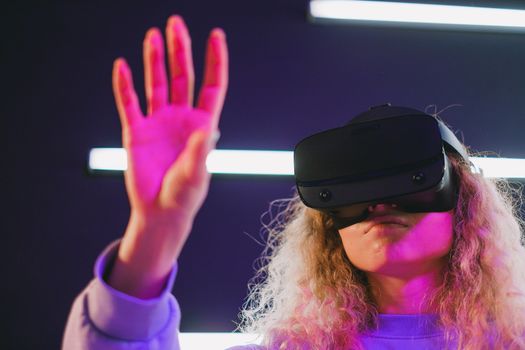 Photo: SHVETS production / Pexels
As the metaverse continues to evolve, it's easy to get lost in the hype or fall prey to common misunderstandings. Understanding what is the metaverse concept requires separating fact from fiction and adopting a strategic approach to engagement. Here are some essential tips for navigating this nascent digital frontier and debunking prevalent misconceptions:
**Tips for Engaging with the Metaverse:**
* **Start Small and Experiment:** You don't need expensive VR gear to begin. Many metaverse experiences are accessible via desktop or mobile. Explore platforms like Roblox, Decentraland, or The Sandbox to get a feel for virtual worlds and digital ownership without heavy investment.
* **Prioritize Digital Security:** As you create digital identities and acquire assets, strong passwords, two-factor authentication, and understanding blockchain wallet security are paramount. Be wary of phishing scams and never share your seed phrase.
* **Educate Yourself Continuously:** The metaverse is rapidly evolving. Stay updated on new technologies, platforms, and ethical considerations. Follow reputable tech news, industry leaders, and academic research.
* **Focus on Value, Not Hype:** Don't chase every trending NFT or virtual land sale. Understand the underlying utility, community, and long-term vision of any metaverse project before investing time or money.
* **Build Your Digital Identity:** Your avatar is your representation. Experiment with customization and understand how your digital presence reflects on you. Consider the implications of persistent digital identities.
* **Understand Interoperability Challenges:** While a key promise, true interoperability across all metaverse platforms is still a future goal. Be aware that assets or avatars might not seamlessly transfer between all virtual worlds today.
**Common Metaverse Misconceptions:**
* **Misconception 1: The Metaverse is a Single Product or Company:** Many people mistakenly believe the metaverse is Facebook's (Meta's) product. In reality, it's a broad concept for a decentralized, interconnected network of virtual worlds, much like the internet itself. Meta is a player, not the sole owner.
* **Misconception 2: It's Just for Gaming:** While gaming is a significant early adopter, the metaverse's potential extends to work, education, commerce, social interaction, healthcare, and more. Gaming is just the tip of the iceberg.
* **Misconception 3: You Need VR Headsets to Access It:** While VR offers the most immersive experience, many metaverse platforms are accessible via traditional computers, consoles, and even mobile devices. VR is an interface, not a prerequisite.
* **Misconception 4: It's Only About NFTs and Cryptocurrency:** NFTs and crypto are crucial for digital ownership and economic functionality, but they are components, not the entirety of the metaverse. The underlying social, experiential, and technological layers are equally important.
* **Misconception 5: The Metaverse is Already Fully Realized:** We are currently in the early stages of metaverse development. The full vision of a truly interoperable, persistent, and universally accessible metaverse is still years, if not decades, away. What we see today are nascent forms and foundational building blocks.
* **Misconception 6: It's Inherently Centralized:** While some platforms are centralized, the overarching vision for the metaverse, especially within the Web3 movement, is decentralized, user-owned, and community-governed. This aims to prevent any single entity from controlling the entire digital universe.
By dispelling these myths and adopting a cautious yet curious approach, individuals and businesses can better understand and prepare for the opportunities and challenges presented by the evolving metaverse.
