Top Smart Home Devices for Security: Your Ultimate Guide
smart home security

Top Smart Home Devices for Security: Your Ultimate Guide

Transform your home into a fortress with intelligent security solutions designed for modern living and ultimate protection.

Secure Your Home Now

Key Takeaways

  • ✓ Smart security systems can deter 60% of burglars.
  • ✓ Remote monitoring capabilities are a standard feature in most modern smart security devices.
  • ✓ Integration with other smart home ecosystems (e.g., Alexa, Google Home) enhances functionality.
  • ✓ Many devices offer professional monitoring options for added peace of mind.

How It Works

1
Assess Your Needs

Identify vulnerable areas in your home and consider your daily routine. This helps determine the types of devices and level of coverage you require.

2
Choose Core Devices

Select essential components like smart cameras, door/window sensors, and a central hub. These form the foundation of your security system.

3
Install and Connect

Follow manufacturer instructions for installation and connect devices to your home Wi-Fi network. Most systems offer user-friendly app-based setup.

4
Customize and Monitor

Configure alerts, motion zones, and automation rules via the app. Regularly monitor feeds and alerts to ensure optimal security and responsiveness.

The Foundation: Smart Security Cameras and Video Doorbells
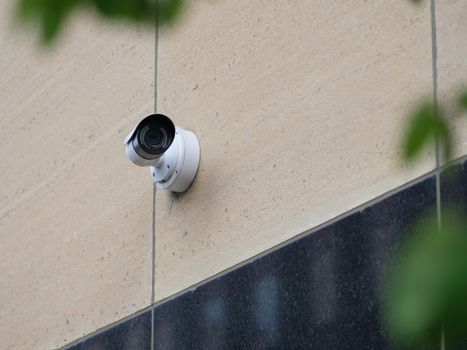
Modern CCTV camera mounted on a city building wall for security monitoring. Photo: Giant Asparagus / Pexels
In the realm of modern home security, smart cameras and video doorbells stand as the primary sentinels, offering eyes and ears where you need them most. These devices have revolutionized how we monitor our properties, moving beyond simple motion detection to provide real-time video feeds, two-way audio, and advanced AI-powered analytics. A high-quality smart security camera, whether indoor or outdoor, acts as a crucial deterrent and an invaluable forensic tool. Outdoor cameras typically feature robust weatherproofing, wider fields of view, and often boast spotlights or sirens to actively discourage intruders. Key features to look for include 1080p or 4K resolution for crystal-clear images, infrared night vision for visibility in complete darkness, and motion detection zones that allow you to specify areas of interest, reducing false alarms from passing cars or pets. Many also offer local storage options (like an SD card) in addition to cloud storage subscriptions, giving you flexibility in how your footage is saved and accessed. Video doorbells, a specialized category of smart cameras, provide an essential first line of defense at your entryway. They allow you to see, hear, and speak to visitors from anywhere in the world via your smartphone, even if you’re not home. This capability is not just about convenience; it’s a significant security upgrade. You can answer the door when a package delivery arrives, screen unfamiliar visitors, or even deter potential porch pirates. Advanced video doorbells often include features like package detection, pre-recorded quick replies, and integration with smart locks to grant access remotely. When selecting a video doorbell, consider its power source (battery-powered for easy installation or hardwired for continuous power), its field of view, and its integration capabilities with your existing smart home ecosystem. Pairing a video doorbell with other smart devices, such as smart lights that turn on when motion is detected, creates a more comprehensive and responsive security perimeter. The peace of mind that comes from knowing who is at your door, even when you're miles away, is immeasurable. For further insights into smart home integration, explore smart home automation trends.

Fortifying Your Entry Points: Smart Locks and Door/Window Sensors
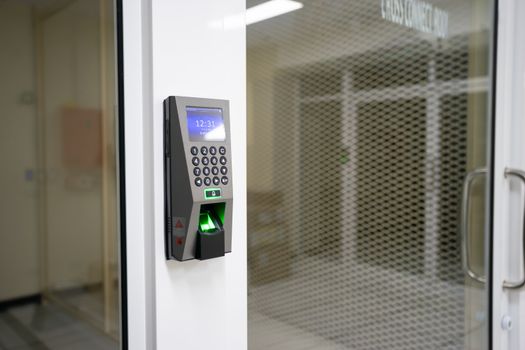
A modern fingerprint scanner for secure access control in an office environment. Photo: panumas nikhomkhai / Pexels
Beyond visual surveillance, securing the physical entry points of your home is paramount, and this is where smart locks and door/window sensors shine. Smart locks are a cornerstone of modern home security, offering unparalleled control and convenience over traditional deadbolts. They allow you to lock and unlock your doors remotely using a smartphone app, grant temporary access codes to guests or service providers, and receive notifications whenever the door is locked or unlocked. This level of control means you'll never again have to worry if you remembered to lock the front door after leaving for work. Many smart locks integrate seamlessly with other smart home systems, enabling automation scenarios like locking all doors when your alarm system is armed or unlocking them when a specific person arrives home. Look for locks that offer multiple entry methods, such as keypads, fingerprint readers, or even voice commands, alongside traditional key access as a backup. Robust encryption and tamper alerts are also critical features to ensure your digital security is as strong as the physical lock itself. Door and window sensors, while seemingly simple, are incredibly effective at detecting unauthorized entry. These small, discreet devices are typically two-part sensors that trigger an alert whenever a connection is broken – meaning a door or window has been opened. They are essential for providing an immediate warning if an intruder attempts to bypass your smart cameras. Modern sensors are often wireless, making installation straightforward, and can be easily integrated into a central smart home security hub. When a sensor is triggered, it can initiate a chain of events: sending an instant notification to your phone, sounding an alarm, and even triggering your smart lights to flash, drawing attention to the potential breach. Some advanced sensors can even detect glass breakage, adding another layer of protection for windows. The combination of smart locks for controlled access and contact sensors for immediate breach detection creates a formidable barrier against intrusion, significantly enhancing your home's overall security posture. Choosing devices from reputable brands that prioritize both physical and digital security protocols is always advisable to ensure reliability and protection.

Comprehensive Coverage: Smart Alarm Systems and Environmental Sensors

A female engineer focuses on her laptop amidst advanced tech equipment in a lab. Photo: ThisIsEngineering / Pexels
While cameras and locks secure specific points, a smart alarm system provides comprehensive, layered protection for your entire property. These systems typically consist of a central hub that communicates wirelessly with various sensors throughout your home, including motion detectors, glass-break sensors, and even smoke and carbon monoxide detectors. The beauty of a smart alarm system lies in its interconnectedness and the ability to customize its response to different threats. When an alarm is triggered, whether by a motion sensor detecting an intruder or a smoke detector sensing a fire, the system can instantly notify you, sound a loud siren to deter the threat, and, if you opt for professional monitoring, alert a monitoring center that can dispatch emergency services. Many systems allow for 'zones,' meaning you can arm specific areas of your home (like downstairs while you sleep upstairs) without triggering the alarm in other areas. Key features to prioritize include reliable wireless connectivity (often Z-Wave or Zigbee), battery backup for power outages, and intuitive app control for arming/disarming and managing settings. Choosing a system that offers flexible monitoring options – self-monitoring or professional – allows you to tailor the service to your budget and peace of mind requirements. Beyond intrusion detection, environmental sensors are a crucial, yet often overlooked, component of a truly smart and secure home. These sensors protect against non-human threats that can be just as devastating. Smart smoke and carbon monoxide detectors not only alert you to dangers but can also send notifications to your phone, even when you're away, and often integrate with your smart lighting to illuminate escape routes. Water leak detectors, placed near washing machines, water heaters, or under sinks, can provide early warnings of leaks, potentially saving you from extensive water damage and costly repairs. Similarly, smart temperature sensors can monitor for extreme temperature drops that could lead to burst pipes in cold climates. Integrating these environmental sensors into your smart home ecosystem means that a single alert can trigger multiple actions – for instance, a water leak detection could automatically shut off your smart water valve, preventing further damage. This holistic approach to security, encompassing both human and environmental threats, is what makes a smart home truly resilient. To learn more about environmental monitoring, check out this guide on advanced smart home sensors.

Integrating Your Smart Security: Tips for Maximizing Protection and Avoiding Common Mistakes
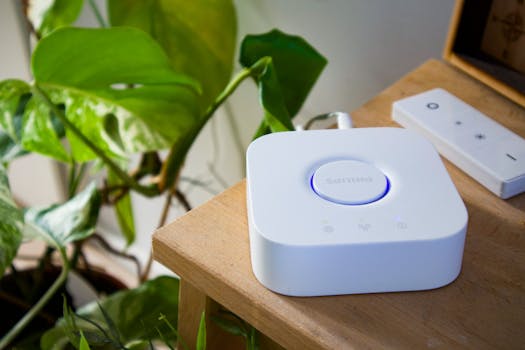
Philips smart hub beside a leafy plant in a stylish indoor setting, showcasing modern home automation. Photo: Pascal 📷 / Pexels
Achieving optimal security with smart home devices isn't just about buying the best gadgets; it's about intelligent integration and thoughtful usage. Here are some essential tips and common mistakes to avoid: **Tips for Maximizing Protection:** * **Choose a Unified Ecosystem:** Stick to devices that are compatible with a single smart home platform (e.g., Apple HomeKit, Google Home, Amazon Alexa, or a specific security brand's ecosystem). This ensures seamless communication and simplifies management through one app, preventing fragmented control. * **Layer Your Defenses:** Don't rely on a single device type. Combine smart cameras with door/window sensors, smart locks, and an alarm system for comprehensive protection. Each layer acts as a backup or complement to the others. * **Strong Wi-Fi Security:** Your smart devices are only as secure as your home network. Use a strong, unique password for your Wi-Fi, enable WPA2/WPA3 encryption, and consider isolating your smart devices on a separate guest network if your router supports it. * **Regular Software Updates:** Smart devices frequently receive firmware updates that patch security vulnerabilities and add new features. Enable automatic updates or check for them regularly to keep your devices protected against emerging threats. * **Customize Alerts and Automations:** Tailor notifications to your needs. Set up motion zones for cameras to avoid false alarms, and create automation rules (e.g., lights turn on when motion is detected at night) to enhance deterrence. * **Practice Good Password Hygiene:** Use strong, unique passwords for all your smart device accounts and enable two-factor authentication (2FA) wherever possible. This is a critical barrier against unauthorized access. **Common Mistakes to Avoid:** * **Ignoring Privacy Settings:** Many smart cameras and voice assistants record data. Review and adjust privacy settings to understand what data is collected and how it's used. * **Placing Cameras Incorrectly:** Avoid pointing cameras directly at public property or neighbors' windows to respect privacy. Ensure indoor cameras are placed where they can monitor key entry points without unnecessary surveillance of private areas. * **Over-reliance on Battery Power:** While convenient, battery-powered devices require regular charging or battery replacement. Neglecting this can lead to security gaps. Have a charging schedule or keep spare batteries on hand. * **Forgetting to Test:** Regularly test your alarm system, sensors, and camera feeds to ensure they are functioning correctly. A system that isn't tested might not work when you need it most. * **Sharing Access Carelessly:** Be cautious about who you grant access to your smart home system. Use temporary access codes for service providers and revoke them promptly. * **Underestimating Cybersecurity:** Smart devices are connected to the internet, making them potential targets for cyberattacks. A robust firewall and updated antivirus software on your main network devices are still important.

Comparison

FeatureBest Option (Arlo Ultra 4K)Alternative 1 (Ring Floodlight Cam)Alternative 2 (Eufy SoloCam S40)
Video Resolution4K HDR1080p HD2K HD
Power SourceBatteryHardwiredSolar + Battery
Local Storage Option✓ (requires hub)✓ (built-in)
Subscription Required for Advanced Features✗ (for basic AI)

What Readers Say

"Installing the Arlo Ultra 4K system was a game-changer for our home security. The clarity of the footage is incredible, even at night, and the smart alerts for specific activity have virtually eliminated false alarms. We feel so much safer knowing we can see everything."

Sarah J. · Austin, TX

"The August Smart Lock Pro combined with our Ring doorbell has made managing home access incredibly easy. I can give temporary codes to the dog walker and get alerts when the kids arrive home from school. It's truly a top smart home device for security and convenience."

David M. · Miami, FL

"After a string of package thefts, I invested in a Ring Floodlight Cam, and the problem stopped immediately. The bright lights and loud siren are a fantastic deterrent, and I love being able to talk to delivery drivers through the app. It's given me real peace of mind."

Emily R. · Seattle, WA

"The Eufy security cameras are great for local storage, which saves on subscription fees, but the app can sometimes be a bit clunky compared to others. Still, for the price and the features, it's a solid choice for enhancing home security."

Michael S. · Denver, CO

"As someone who travels frequently, having a comprehensive smart home security system with professional monitoring is non-negotiable. My current system, integrating motion sensors and smart smoke detectors, ensures that any issue, whether intrusion or environmental, is immediately addressed, allowing me to travel worry-free."

Jessica L. · Boston, MA

Frequently Asked Questions

What are the most essential top smart home devices for security?

The most essential devices typically include smart security cameras (indoor and outdoor), a video doorbell, smart door/window sensors, and a central smart home hub. These components provide a strong foundation for monitoring, deterring, and detecting security threats.

Are smart home security devices vulnerable to hacking?

While no system is 100% hack-proof, reputable smart home security devices employ robust encryption, multi-factor authentication, and regular software updates to minimize vulnerabilities. Using strong, unique passwords and securing your home Wi-Fi network are crucial steps to protect your system.

How do I install top smart home devices for security?

Most modern smart security devices are designed for DIY installation, often requiring basic tools and a smartphone app to guide you through the process. Wireless devices are typically easier to install than hardwired ones. Always follow the manufacturer's specific instructions for safe and effective setup.

Is professional monitoring necessary for smart home security?

Professional monitoring is not strictly necessary but offers an added layer of security. It means a dedicated team monitors your system 24/7 and can dispatch emergency services (police, fire, medical) when an alarm is triggered, providing peace of mind, especially when you're away or unable to respond.

How do smart home security devices compare to traditional alarm systems?

Smart home security devices offer greater flexibility, remote control, and often more advanced features like video verification and AI analytics compared to traditional alarm systems. They integrate seamlessly with other smart home tech, providing a more comprehensive and customizable security solution.

Who should consider investing in top smart home devices for security?

Anyone looking to enhance their home's safety, gain greater control over their property, and achieve peace of mind should consider smart home security. This includes homeowners, renters, frequent travelers, and families with children, as these devices offer tailored solutions for various needs.

What are the privacy implications of using smart security cameras?

Smart security cameras do have privacy implications as they record video and audio. It's important to be mindful of camera placement, avoid recording public spaces or neighbors' property, and review the privacy policies of manufacturers regarding data storage and access. Always inform household members and visitors about their presence.

What future trends can we expect in top smart home devices for security?

Future trends include more advanced AI for predictive threat detection, enhanced biometric authentication (e.g., facial recognition for access), greater integration with local emergency services, and increased energy efficiency for longer battery life and sustainable operation. Expect more proactive, rather than reactive, security measures.

Embrace the future of home protection by integrating the top smart home devices for security into your living space. Explore the options, customize your defense, and enjoy unparalleled peace of mind knowing your home is safeguarded by cutting-edge technology. Start building your smart, secure home today!

Topics: smart home securityhome automation safetysecurity camerassmart locksalarm systems
Leo List

IE Escorts NO Escorts US Escorts NZ Escorts AU Escorts
Brampton weed
Adultwork EstrelaBet Vai de Bet R7 Bet Betão Galera Bet Rainbet Bet9ja Shop SportyBet BetKing Sisal Loto Foot Hollywoodbets YesPlay Odibets RushBet Jugabet BetWarrior BetCity MSport betPawa Fortebet