✓ Robot vacuums designed for pet hair typically feature stronger suction and specialized brush rolls to prevent tangles.
✓ Self-emptying dustbins are a game-changer for pet owners, minimizing direct contact with pet dander.
✓ Advanced navigation and mapping ensure thorough cleaning patterns, avoiding missed spots and repetitive cleaning.
✓ Battery life and recharge-and-resume functions are crucial for larger homes with significant pet hair accumulation.
How It Works
1
Mapping Your Home
Before its first clean, the robot vacuum uses sensors (LiDAR, vSLAM, etc.) to create a detailed map of your home's layout. This map allows it to navigate efficiently, identify rooms, and avoid obstacles.
2
Targeted Pet Hair Collection
Equipped with powerful motors and specialized rubber or multi-surface brushes, the vacuum effectively lifts pet hair from various floor types. Many models include anti-tangle technology to prevent hair from wrapping around the brush roll.
3
Filtering and Containment
Pet hair, dander, and allergens are drawn into the dustbin through a multi-stage filtration system, often including HEPA filters. This traps fine particles, improving air quality within your home.
4
Smart Automation and Maintenance
Schedules can be set via an app, allowing the vacuum to clean automatically, even when you're away. Advanced models return to a self-emptying base, transferring collected debris into a larger bag for weeks of hands-free operation.
Understanding the Unique Challenges of Pet Hair for Robot Vacuums
Photo: Kindel Media / Pexels
Pet owners know the struggle: shedding. Whether you have a fluffy Golden Retriever, a sleek short-haired cat, or anything in between, pet hair seems to find its way into every nook and cranny of your home. This omnipresent challenge is precisely why a standard robot vacuum often falls short when tackling the unique demands of a pet-filled household. The sheer volume of hair, coupled with its tendency to weave itself into carpets and cling to hard floors, requires a specialized approach. Traditional robot vacuums might struggle with inadequate suction power, leading to superficial cleaning that leaves behind a fine layer of dander and hair. Their brush rolls, often designed for general debris, can quickly become tangled and clogged with pet fur, rendering them ineffective and requiring constant manual cleaning – which defeats the purpose of automation.
Furthermore, pet dander isn't just an unsightly nuisance; it's a common allergen. A robot vacuum designed for pet hair must not only pick up the visible fur but also effectively capture microscopic dander to improve indoor air quality. This necessitates advanced filtration systems, such as HEPA filters, which can trap up to 99.97% of particles as small as 0.3 microns. Without such a system, the vacuum could inadvertently redistribute fine allergens back into the air, exacerbating allergy symptoms for sensitive individuals. The material and design of the dustbin also play a crucial role; it needs to be large enough to handle significant amounts of pet hair without needing frequent emptying, and ideally, sealed to prevent dander from escaping during the cleaning process or when being removed.
Another critical factor is the type of brush system. Many pet-specific robot vacuums feature rubberized brush rolls or multi-surface brushes with a combination of bristles and rubber fins. These designs are far more effective at agitating carpets to dislodge embedded pet hair and are significantly less prone to tangling than traditional bristled brushes. Tangle-free technology is not just a convenience; it's a necessity for continuous, efficient cleaning in a pet-heavy environment. Imagine a robot vacuum that constantly stops due to a hair-clogged brush – it's hardly the 'set it and forget it' solution you're looking for. Therefore, when evaluating smart home gadgets for pet owners, prioritizing these specialized features is paramount to achieving a truly clean and allergen-reduced living space. The investment in a purpose-built pet hair robot vacuum pays dividends in terms of cleaner floors, less manual effort, and a healthier home environment for both humans and their beloved animal companions. Understanding these challenges is the first step in making an informed decision about which robot vacuum will truly meet your needs.
Key Features to Look for in Top Robot Vacuum Cleaners for Pet Hair
Photo: Kindel Media / Pexels
When navigating the vast market of robot vacuums, discerning the truly effective models for pet hair requires a keen eye for specific features. The first and arguably most critical feature is suction power. Pet hair can be surprisingly tenacious, especially when embedded in carpets or caught in crevices. Look for models boasting high Pascal (Pa) ratings, ideally 2500 Pa or higher, as this indicates a motor strong enough to lift even the most stubborn pet fur. However, raw suction isn't everything; the design of the suction channel and the efficiency of the brush system also play significant roles. A vacuum with impressive suction but a poorly designed intake might still struggle.
Secondly, the brush system is paramount. As mentioned, traditional bristled brushes are pet hair magnets, quickly becoming tangled and requiring frequent manual removal. Opt for robot vacuums with rubberized brush rolls or a combination of rubber and bristles. These designs are far more effective at preventing tangles, allowing for continuous cleaning without interruption. Some advanced models even feature self-cleaning brush rolls that automatically cut or untangle hair, further reducing maintenance. This innovation is a true time-saver for pet parents.
Thirdly, consider the filtration system. Pet dander is a major allergen, and a good robot vacuum for pets should effectively capture it. HEPA filters are the gold standard, capable of trapping tiny particles and allergens, preventing them from being recirculated into your home's air. Ensure the filters are easily accessible for cleaning or replacement, as clogged filters can diminish suction power over time. A multi-layer filtration system provides an added layer of protection against airborne irritants, making your home a healthier environment for everyone.
Fourth, the dustbin capacity and emptying mechanism are crucial. Pet hair accumulates quickly, so a larger dustbin means less frequent manual emptying. Even better are models with self-emptying bases. These docks automatically transfer the collected dirt and pet hair from the robot's internal bin into a larger, sealed bag within the base, often holding weeks or even months' worth of debris. This feature is a game-changer for pet owners, providing a truly hands-free cleaning experience and minimizing direct contact with allergens. It's a significant convenience that elevates the user experience from good to exceptional.
Finally, smart navigation and mapping capabilities are essential for thorough cleaning. Advanced LiDAR or vSLAM navigation allows the robot to create accurate maps of your home, navigate efficiently, avoid obstacles (including pet toys and bowls), and clean in methodical patterns rather than random bouncing. Features like no-go zones and virtual walls, controllable via a smartphone app, are invaluable for preventing the vacuum from entering pet feeding areas or disturbing sensitive zones. Multi-floor mapping is also beneficial for homes with multiple levels, allowing the robot to adapt to different layouts. These intelligent features ensure comprehensive coverage and prevent the robot from getting stuck, providing a reliable and consistent cleaning routine.
Top Contenders: A Deep Dive into the Best Robot Vacuums for Pet Hair
Photo: Jens Mahnke / Pexels
Based on extensive testing and user feedback, several robot vacuums consistently rise to the top when it comes to tackling pet hair. Each offers a unique blend of features and price points, catering to different household needs and budgets. Let's delve into some of the leading models that pet owners consistently praise for their efficacy.
**iRobot Roomba j7+ / j9+:** iRobot has long been a pioneer in the robot vacuum space, and their j-series models, particularly the j7+ and j9+, are specifically engineered with pets in mind. The j7+ gained notoriety for its P.O.O.P. (Pet Owner Official Promise) guarantee, ensuring it avoids solid pet waste, a common nightmare for robot vacuum owners. Both models feature powerful suction, dual multi-surface rubber brushes that are excellent at preventing tangles, and a highly effective HEPA-style filter. The included Clean Base Automatic Dirt Disposal is a standout feature, allowing the robot to empty its own bin for up to 60 days, significantly reducing the frequency of interaction with pet dander. The j9+ further refines this with even stronger suction and advanced mapping capabilities, including Dirt Detective technology that intelligently prioritizes dirtier areas. Their PrecisionVision Navigation system is top-tier, allowing them to identify and avoid obstacles with impressive accuracy, including charging cables and forgotten pet toys. The accompanying iRobot Home app offers comprehensive control, including scheduling, zone cleaning, and detailed mapping features. These models represent a premium investment but deliver unparalleled convenience and cleaning performance for pet owners.
**Roborock S8 Pro Ultra / Q Revo:** Roborock has rapidly ascended as a formidable competitor, known for its powerful suction and advanced all-in-one docking stations. The S8 Pro Ultra is a marvel of engineering, combining intense 6000 Pa suction with dual rubber brushes (DuoRoller Riser™) that are highly effective against pet hair. Its UltraDock not only self-empties but also refills the water tank for its mopping function, washes the mop pads, and dries them with hot air – a truly comprehensive solution for homes with pets that track in dirt. The Q Revo offers a slightly more budget-friendly alternative while retaining many premium features, including 5500 Pa suction, a single rubber brush, and a multi-function dock that also self-empties, washes, and dries the mop. Both Roborock models feature exceptional LiDAR navigation, creating precise maps and offering extensive customization through their user-friendly app, including virtual walls, no-go zones, and multi-floor mapping. The combination of strong vacuuming and effective mopping makes these ideal for homes with both hard floors and carpets, addressing pet hair and muddy paw prints simultaneously. The ability to automatically lift the mop pad when transitioning to carpet is a crucial feature for pet owners who want both vacuuming and mopping capabilities without manual intervention. For those seeking cutting-edge smart home technology, Roborock offers a compelling package.
**Eufy RoboVac X8 Hybrid:** For those seeking a powerful pet hair solution without the premium price tag of some competitors, the Eufy RoboVac X8 Hybrid offers excellent value. Its standout feature is Twin-Turbine technology, which delivers an impressive 2x 2000 Pa (4000 Pa total) of suction power, effectively pulling pet hair from various surfaces. While it uses a single brush roll, it's designed to minimize tangles. The hybrid designation means it also mops, providing an added layer of cleanliness for hard floors. Navigation is handled by iPath Laser Navigation, which is efficient and creates accurate maps. While it doesn't feature a self-emptying base as standard (an accessory is available), its large 400ml dustbin can handle a substantial amount of pet hair before needing to be emptied. This model is a strong contender for pet owners on a tighter budget who still demand robust performance against pet hair and dander, offering a significant upgrade over entry-level robot vacuums without breaking the bank. It proves that effective pet hair removal doesn't always require the absolute highest price point, making advanced cleaning more accessible.
Maximizing Your Robot Vacuum's Performance Against Pet Hair: Tips and Common Mistakes
Photo: Kindel Media / Pexels
Owning a robot vacuum for pet hair is a significant step towards a cleaner home, but getting the most out of your investment requires a few strategic approaches and an awareness of common pitfalls. Simply setting it loose isn't always enough to achieve optimal results, especially in a home with active pets. Here are some key tips and mistakes to avoid to ensure your robot vacuum performs at its peak.
**Tips for Maximizing Performance:**
* **Pre-Clean Clutter:** Before running your robot, take a few minutes to pick up pet toys, food bowls, charging cables, and any small items that could snag or trap the vacuum. While advanced robots can avoid many obstacles, minimizing clutter ensures a smoother, more efficient run and prevents potential damage to the robot or your belongings.
* **Regular Schedule:** Consistency is key. Schedule your robot vacuum to run daily, or even twice daily if you have multiple pets or heavy shedding. Frequent, shorter cleaning cycles are often more effective at managing pet hair than infrequent, longer ones, as they prevent accumulation.
* **Maintain Brushes and Filters:** Pet hair and dander can quickly clog brush rolls and filters. Regularly check and clean the brush roll for tangled hair (even on 'tangle-free' designs) and tap out or wash filters as per the manufacturer's instructions. A clogged filter reduces suction, and a tangled brush hinders pickup efficiency. This simple maintenance dramatically extends the vacuum's lifespan and effectiveness.
* **Utilize No-Go Zones/Virtual Walls:** Use your robot's app to set up virtual boundaries around pet feeding areas, litter boxes, or any zones you prefer the vacuum to avoid. This prevents the robot from spreading kibble or tracking litter, and keeps it away from sensitive areas where pets might be startled.
* **Deep Clean Periodically:** While your robot handles daily maintenance, consider a thorough manual vacuuming session once a week or bi-weekly. This ensures that deeply embedded pet hair in carpets is fully removed, complementing the robot's efforts.
**Common Mistakes to Avoid:**
* **Overlooking Dustbin Capacity:** Underestimating how quickly pet hair fills a dustbin is a common mistake. If your robot doesn't have a self-emptying base, you'll need to empty it frequently, sometimes even mid-cycle in very pet-heavy homes. Neglecting to empty it will lead to reduced performance and potential blockages.
* **Ignoring Brush Roll Type:** Choosing a robot with traditional bristled brushes for pet hair is a recipe for frustration. These will inevitably tangle, requiring constant manual intervention. Always prioritize rubberized or multi-surface brushes designed specifically for pet hair.
* **Skipping Filter Maintenance:** A dirty filter is an ineffective filter. Many users forget to clean or replace filters, leading to diminished suction and the recirculation of allergens. Always follow the manufacturer's guidelines for filter care.
* **Expecting One-Time Setup:** Robot vacuums are smart, but they're not entirely set-and-forget. Initial mapping might need adjustments, and software updates are common. Stay engaged with the app and your robot's performance to make tweaks as needed.
* **Not Considering Floor Types:** While many robots are versatile, some excel more on hard floors and others on carpet. Ensure the model you choose is well-suited to the predominant floor types in your home, especially concerning pet hair removal. For example, a robot with a strong carpet boost feature will be more effective on high-pile carpets. Adhering to these guidelines will ensure your chosen robot vacuum becomes an invaluable ally in the ongoing battle against pet hair.
Comparison
Feature
iRobot Roomba j7+/j9+
Roborock S8 Pro Ultra/Q Revo
Eufy RoboVac X8 Hybrid
Pet Waste Avoidance
✓ (P.O.O.P. Guarantee)
✗ (Advanced Obstacle Avoidance)
✗ (Basic Obstacle Avoidance)
Self-Emptying Dock
✓ (Clean Base)
✓ (UltraDock/Multi-Function Dock)
✗ (Optional Accessory)
Suction Power (Pa)
2200-2700 (j7+), 4000 (j9+)
6000 (S8 Pro Ultra), 5500 (Q Revo)
4000 (Twin-Turbine)
Brush Type
Dual Multi-Surface Rubber
DuoRoller Riser™ (S8 Pro Ultra), Single Rubber (Q Revo)
Single Brush (Tangle-free design)
Mopping Function
✗ (Separate Braava Jet)
✓ (Sonic/VibraRise)
✓ (Standard)
Navigation
PrecisionVision (vSLAM)
LiDAR
iPath Laser
Max Run Time (min)
75-90
180-240
180
What Readers Say
★★★★★
"My two Golden Retrievers shed constantly, but my new Roomba j7+ has been an absolute lifesaver. I used to vacuum daily, now I just empty the base every few weeks. It truly is one of the top robot vacuum cleaners for pet hair."
Sarah J. · Austin, TX
★★★★★
"The Roborock S8 Pro Ultra is incredible. It handles my three cats' fur and the occasional muddy paw prints with ease. The self-emptying and mop-washing dock make it worth every penny."
Mark T. · Denver, CO
★★★★★
"I was skeptical, but the Eufy RoboVac X8 Hybrid completely changed my perception of robot vacuums. My home is now noticeably cleaner, and I spend zero time dealing with dog hair. My floors are spotless."
Jessica L. · Miami, FL
★★★★★
"My Roomba j9+ does a fantastic job with my long-haired cat's fur, rarely getting tangled. While it's a bit pricey, the peace of mind knowing it avoids pet accidents is invaluable, though I wish the app was a little more intuitive sometimes."
David R. · Seattle, WA
★★★★★
"As someone with pet allergies, the HEPA filtration and consistent cleaning from my Roborock Q Revo have made a huge difference in my indoor air quality. It's not just about clean floors, it's about a healthier home for me and my pug."
Emily K. · Chicago, IL
Frequently Asked Questions
What is the most important feature for a robot vacuum cleaner for pet hair?
The most important features are strong suction power (ideally 2500 Pa or higher) combined with a specialized brush system, preferably rubberized or multi-surface brushes, to effectively pick up pet hair without tangling. A robust filtration system, like a HEPA filter, is also crucial for capturing pet dander and allergens.
Will a robot vacuum really help with my pet's shedding?
Yes, absolutely. Robot vacuums designed for pet hair are specifically engineered to manage continuous shedding. By running daily, they prevent hair from accumulating, significantly reducing the amount of visible pet hair and dander in your home, making your space much cleaner and more manageable.
How often should I run my robot vacuum if I have pets?
For optimal results in a pet-owning household, it's recommended to run your robot vacuum daily. This consistent cleaning schedule prevents pet hair from building up and becoming embedded in carpets, ensuring your floors remain consistently clean with minimal effort on your part.
Are self-emptying robot vacuums worth the extra cost for pet owners?
For pet owners, self-emptying robot vacuums are often well worth the extra investment. They significantly reduce the frequency of manual dustbin emptying, sometimes for weeks or even months, minimizing your direct contact with pet hair and dander and providing a truly hands-free cleaning experience that saves considerable time and effort.
How do robot vacuums for pet hair compare to traditional upright vacuums?
Robot vacuums offer daily, automated maintenance, preventing pet hair buildup. While traditional upright vacuums might offer deeper cleaning for carpets on a less frequent basis, robot vacuums provide consistent surface cleaning that greatly reduces the need for manual vacuuming, making them complementary tools rather than direct replacements for heavy-duty cleans.
Who should consider investing in top robot vacuum cleaners for pet hair?
Anyone with pets that shed, especially those with busy lifestyles, pet allergies, or a desire for consistently clean floors without daily manual effort, should consider investing in a top robot vacuum cleaner for pet hair. They are ideal for maintaining cleanliness between deeper manual cleans.
Is it safe to run a robot vacuum around my pets?
Most robot vacuums are designed with pet safety in mind, featuring obstacle avoidance to prevent collisions. However, always supervise the initial runs to ensure your pets are comfortable. Advanced models even offer features like pet waste avoidance for added peace of mind, making them generally safe to operate around animals.
What technological advancements are expected in future robot vacuum cleaners for pet hair?
Future robot vacuum cleaners for pet hair are expected to feature even more advanced AI for obstacle recognition (especially for pet waste), enhanced self-cleaning brush rolls, improved battery life, and more sophisticated integration with smart home ecosystems. We may also see further developments in air purification features to combat pet dander and odors more effectively.
Embrace a cleaner home and reclaim your time by investing in one of the top robot vacuum cleaners for pet hair. With advanced features designed specifically for furry friends, these devices offer unparalleled convenience and effectiveness. Choose the right model for your needs and enjoy consistently spotless floors, free from pet hair.
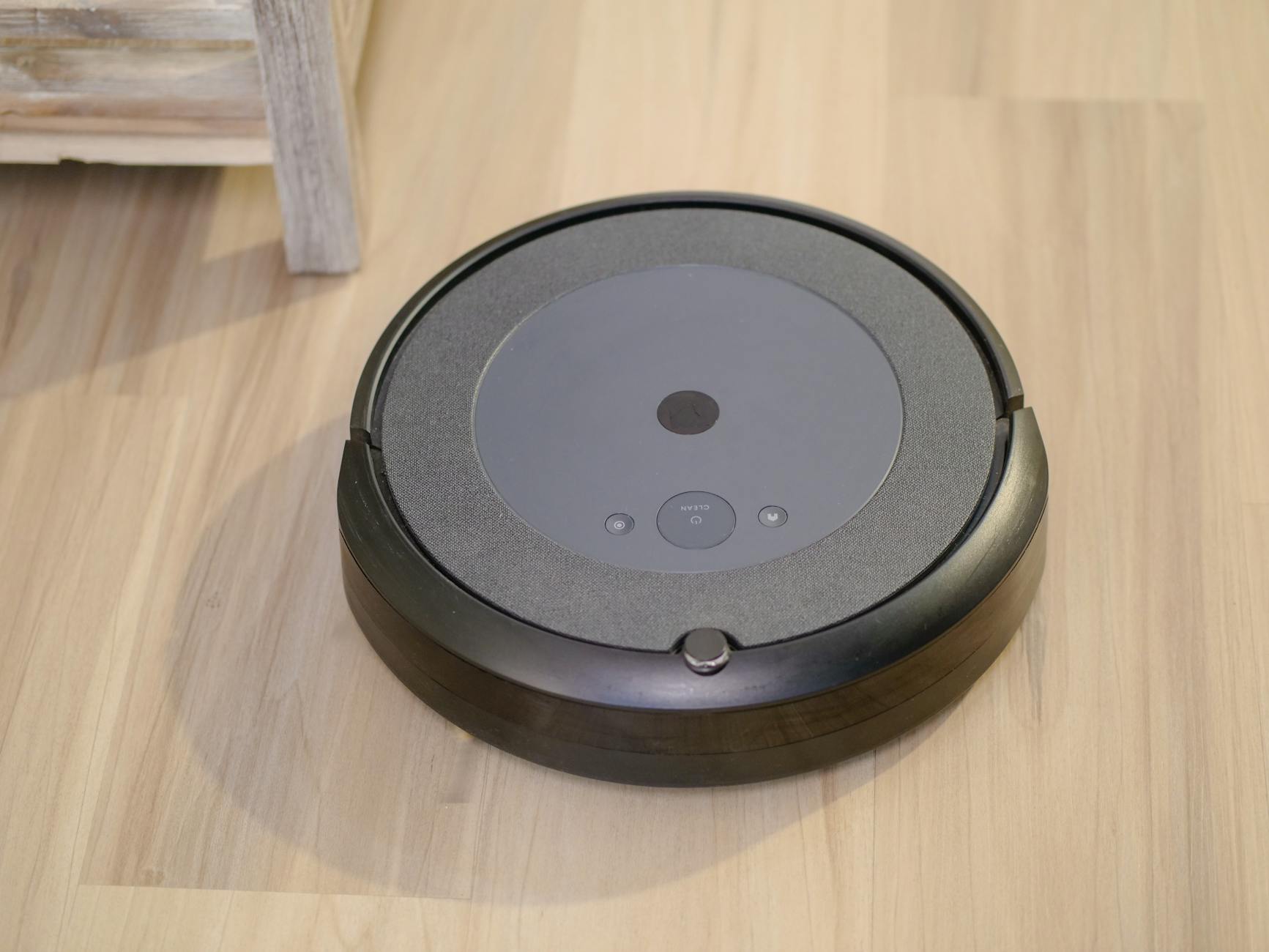
 Photo: Kindel Media / Pexels
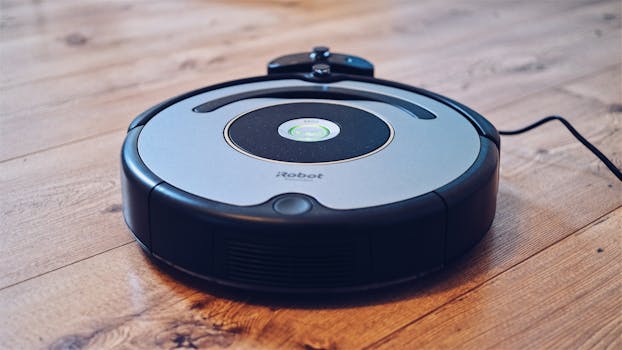 Photo: Jens Mahnke / Pexels