
Smart Home Devices for Beginners: Your Easy Start Guide
smart home devices for beginners

Smart Home Devices for Beginners: Your Easy Start Guide

A top view of beginner workspace items including gadgets and letter dice on a wooden desk.Photo: Ling App / Pexels

Smart Home Devices for Beginners: Your Easy Start Guide

Transform your living space with intuitive smart home tech, making daily routines simpler and more efficient, even if you're new to it.

Start Your Smart Home

Key Takeaways

  • ✓ Smart home devices can significantly enhance convenience, security, and energy efficiency.
  • ✓ Starting small with a few key devices is the best approach for beginners.
  • ✓ Compatibility between devices and platforms (like Alexa, Google Home, Apple HomeKit) is crucial.
  • ✓ Many smart home devices offer easy, DIY installation without professional help.

How It Works

1
Choose Your Ecosystem

Decide if you prefer Amazon Alexa, Google Home, or Apple HomeKit. This choice often dictates which devices will integrate seamlessly and simplifies your future expansion.

2
Start With Core Devices

Begin with a smart speaker, smart lights, or a smart plug. These devices offer immediate benefits and are generally easy to set up, providing a tangible introduction to smart living.

3
Connect and Configure

Download the device's app, connect it to your home Wi-Fi, and follow the on-screen instructions. Most modern smart devices are designed for intuitive, step-by-step pairing.

4
Automate and Expand

Once comfortable, explore automation routines (e.g., lights on at sunset). Gradually add more devices like thermostats or security cameras, ensuring they are compatible with your chosen ecosystem.

Demystifying Smart Home Technology for Newcomers
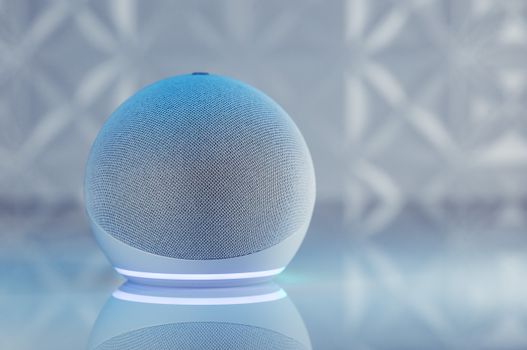
A sleek smart speaker with neon glow on reflective surface, showcasing modern technology.Photo: Jonathan Borba / Pexels
Stepping into the world of smart home technology might seem daunting at first, with a seemingly endless array of gadgets and technical jargon. However, the reality is far simpler and more accessible than you might imagine, especially when focusing on smart home devices for beginners. At its core, a smart home uses internet-connected devices to enable the remote monitoring and management of appliances and systems, often through a smartphone, tablet, or voice commands. This interconnectedness allows for greater convenience, enhanced security, and improved energy efficiency within your living space. Forget complex wiring or intricate programming; many modern smart devices are designed with user-friendliness in mind, offering plug-and-play functionality that even the most tech-averse individuals can master. The beauty of starting small is that you don't need to overhaul your entire home at once. You can begin with a single smart light bulb or a smart plug and gradually expand your system as you become more comfortable and identify your specific needs. This incremental approach allows you to learn at your own pace, understanding the practical benefits of each addition before committing to a larger ecosystem. The key is to choose devices that address a real need or desire, whether it's simplifying your morning routine, improving home security, or cutting down on energy bills. One of the first considerations for any beginner is choosing a central ecosystem. This often revolves around a smart assistant like Amazon's Alexa, Google Assistant, or Apple's Siri (via HomeKit). These platforms act as the brain of your smart home, allowing different devices to communicate with each other and respond to your commands. While many devices are cross-compatible, opting for a primary ecosystem early on can streamline your setup and ensure seamless integration. For instance, if you already use an Android phone, Google Home might feel more intuitive. If you're an iPhone user, Apple HomeKit could be a natural fit. Amazon Alexa devices are known for their broad compatibility and extensive range of supported products. Don't feel pressured to pick the 'best' one; instead, choose the one that aligns with your current tech habits and personal preferences. Understanding these foundational concepts is the first step in successfully integrating smart home devices for beginners into your daily life, transforming your home into a more responsive and intelligent environment. The journey into smart living is about making your life easier and more enjoyable, one smart device at a time. For more general tech tips, explore our other guides.

Essential Smart Devices for a Seamless Start
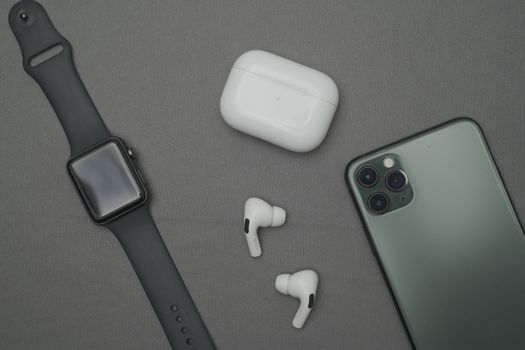
Flat lay of smartwatch, smartphone, and wireless earbuds on a gray background.Photo: Akaaljotsingh Anandpuria / Pexels
When embarking on your smart home journey, identifying the right smart home devices for beginners is paramount. The goal is to select products that offer immediate, tangible benefits without overwhelming you with complexity. A great starting point is often a smart speaker. Devices like the Amazon Echo Dot or Google Nest Mini serve as the voice-activated hub for your smart home, allowing you to play music, get news updates, set timers, and, most importantly, control other smart devices with simple voice commands. They are incredibly user-friendly and provide a central point of interaction for your entire smart ecosystem. Once you have a smart speaker, integrating smart lighting is a natural next step. Smart bulbs, such as those from Philips Hue or Wyze, can be controlled remotely via an app or voice. Imagine turning off all the lights from your bed, or scheduling them to turn on automatically before you arrive home. This not only adds convenience but can also contribute to energy savings. Some smart bulbs even offer color-changing capabilities, allowing you to set the mood for any occasion. They are typically easy to install, screwing into existing light fixtures just like traditional bulbs, and connecting to your Wi-Fi network with minimal fuss. Another highly recommended entry point for beginners is the smart plug. These ingenious little devices transform any ordinary appliance into a 'smart' one. Plug a lamp, a coffee maker, or a fan into a smart plug, and suddenly you can control it remotely via your smartphone or voice assistant. Want your coffee brewing as you wake up? Schedule it with a smart plug. Forgot to turn off your hair straightener? Check and switch it off from anywhere. Smart plugs are affordable, require no installation beyond plugging them in, and offer incredible versatility for automating everyday items. They are an excellent way to dip your toes into automation without investing in entirely new appliances. For those concerned about home security, a smart video doorbell like Ring or Google Nest Doorbell is an accessible and impactful first smart security device. It allows you to see and speak to visitors from anywhere using your smartphone, even when you're not home. This provides peace of mind and an added layer of security, offering notifications for motion detection and recording footage. The installation typically involves replacing your existing doorbell, often a straightforward process for most homeowners. These essential smart home devices for beginners provide a solid foundation, offering immediate utility and paving the way for more advanced smart home integrations as your comfort and confidence grow. Each of these devices is designed to simplify daily tasks, enhance comfort, and provide a glimpse into the future of connected living without a steep learning curve.

Expanding Your Smart Home: Next Steps for Enhanced Living

A sleek smart speaker with neon glow on reflective surface, showcasing modern technology.Photo: Jonathan Borba / Pexels
Once you've mastered the basics with smart home devices for beginners like speakers, lights, and plugs, the next phase of expanding your smart home can unlock even greater levels of convenience, security, and efficiency. This stage involves integrating devices that offer more sophisticated automation and control over various aspects of your home environment. A smart thermostat, such as those from Ecobee or Google Nest, is often considered a game-changer. These devices learn your preferences, can be controlled remotely, and often integrate with your smart assistant to optimize heating and cooling based on occupancy, weather, and your schedule. The ability to adjust your home's temperature from your phone before you arrive, or have it automatically lower when you leave, can lead to significant energy savings and increased comfort. Installation can sometimes be a bit more involved than a smart plug, but many come with clear instructions and online support, or you can opt for professional installation if needed. Smart security cameras are another powerful addition, moving beyond the doorbell to provide comprehensive surveillance. Indoor cameras (e.g., Arlo, Eufy) can monitor pets or children, while outdoor cameras offer perimeter security. Many feature motion detection, night vision, and two-way audio, allowing you to monitor your property in real-time from anywhere. These devices offer immense peace of mind, allowing you to check in on your home whenever you like. For those looking to streamline their cleaning routine, a robotic vacuum cleaner like a Roomba or Roborock is an excellent smart home upgrade. These devices can be scheduled to clean automatically, controlled via an app, and some even map your home for efficient navigation. They save you time and effort, maintaining a clean home with minimal intervention. Lastly, consider smart locks. Replacing your traditional deadbolt with a smart lock (e.g., August, Schlage Encode) allows for keyless entry, remote locking/unlocking, and the ability to grant temporary access to guests or service providers. You can receive notifications when someone enters or leaves, adding a layer of security and convenience that traditional locks simply cannot match. While installing a smart lock might require a bit more DIY confidence, the benefits are substantial. As you integrate these more advanced smart home devices for beginners, remember to prioritize compatibility with your existing ecosystem to ensure seamless operation and avoid frustrating integration issues. Each new device should build upon the foundation you've already established, creating a truly intelligent and interconnected living space. For a deeper dive into smart security, check out our guide on home security systems.

Common Pitfalls and Pro Tips for Your Smart Home Journey
Close-up view of a person fixing an electronic circuit board with a magnifier.Photo: www.kaboompics.com / Pexels
Navigating the world of smart home devices for beginners can have its challenges, but being aware of common pitfalls and armed with practical tips can ensure a smoother, more enjoyable experience. **Common Pitfalls to Avoid:** * **Ignoring Compatibility:** One of the biggest mistakes beginners make is buying devices that don't work together. Always check if a new device is compatible with your chosen smart home ecosystem (Alexa, Google Home, HomeKit) before purchasing. Incompatible devices lead to frustrating setups and a fragmented experience. * **Overspending Too Soon:** It's easy to get excited and buy every cool gadget you see. Start small, understand your needs, and then gradually expand. This prevents buyer's remorse and allows you to prioritize devices that offer the most value to your lifestyle. * **Weak Wi-Fi Network:** Smart devices rely heavily on a stable and strong Wi-Fi connection. A weak signal can lead to unresponsive devices, slow performance, and frequent disconnections. Ensure your home Wi-Fi can handle the increased load, especially if you plan to add many devices. * **Neglecting Security and Privacy:** Smart devices collect data. Always use strong, unique passwords for your smart home accounts and enable two-factor authentication where available. Be mindful of the privacy settings on your devices and apps, and only share data with trusted services. * **Skipping the Setup Instructions:** While many devices are intuitive, taking a few minutes to read the manual or watch a setup video can save hours of frustration later. Understanding specific features and troubleshooting steps upfront is invaluable. **Pro Tips for a Successful Smart Home:** * **Prioritize Your Needs:** What problems do you want to solve? Do you want better security, more convenience, or energy savings? Let your needs guide your purchases, rather than buying devices just because they're 'smart'. * **Start with a Hub:** If you plan on having many devices, investing in a dedicated smart home hub (like Samsung SmartThings or Hubitat) can offer more robust local control and broader compatibility than relying solely on a smart speaker. * **Learn About Routines and Automations:** This is where the real magic happens. Explore the automation features in your smart assistant's app. Set up routines like 'Good Morning' (lights on, coffee maker starts) or 'Good Night' (lights off, doors lock, thermostat adjusts). This maximizes convenience. * **Test and Troubleshoot:** Don't be afraid to experiment. If a device isn't working as expected, try restarting it, checking your Wi-Fi, or consulting the manufacturer's support. Most issues are minor and easily resolved. * **Keep Software Updated:** Regularly update the firmware on your smart devices and the apps on your phone. Updates often include bug fixes, new features, and crucial security patches, ensuring optimal performance and protection. Following these guidelines will help beginners seamlessly integrate smart home devices into their lives, avoiding common headaches and unlocking the full potential of their connected living space.

Comparison

FeatureSmart Speaker (e.g., Echo Dot)Smart Light Bulb (e.g., Philips Hue)Smart Plug (e.g., TP-Link Kasa)Smart Doorbell (e.g., Ring Video Doorbell)
Primary FunctionVoice assistant, central controlRemote lighting controlAutomate standard appliancesVideo monitoring, two-way talk at door
Ease of SetupVery EasyEasyVery EasyModerate (replaces existing doorbell)
Typical Cost$30-$60$15-$50 per bulb$10-$25 per plug$100-$200
Requires Hub?✗ (itself is a hub)✓ (for advanced features/many bulbs)
Immediate BenefitHands-free control, info accessConvenience, mood lightingAutomation of any applianceEnhanced security, package monitoring
Good for Beginners?

What Our Readers Say

5 ★★★★★

"As someone completely new to smart tech, this guide on smart home devices for beginners was a lifesaver. I started with a smart plug and now my coffee is ready when I wake up! So simple to set up."

5 ★★★★★

"I was overwhelmed by all the options, but this article broke down smart home devices for beginners perfectly. I bought an Echo Dot and smart bulbs, and my house feels futuristic and easy to manage."

5 ★★★★★

"Following the advice here, I finally got my smart thermostat installed. It's already saving me money on my energy bill and the remote control feature is incredibly convenient. Definitely a worthwhile read."

4 ★★★★☆

"The recommendations for smart home devices for beginners were solid, though I wish there was a bit more detail on network security. Still, a fantastic starting point for anyone looking to get smart."

5 ★★★★★

"I'm a busy parent and automating my lights and door locks with smart home devices for beginners has given me so much peace of mind. It's amazing how much time I save each day."

Frequently Asked Questions

What are the absolute best smart home devices for beginners to start with?
For beginners, the best smart home devices to start with are typically a smart speaker (like an Amazon Echo Dot or Google Nest Mini), smart light bulbs, and smart plugs. These devices are generally affordable, easy to install, and offer immediate, tangible benefits in terms of convenience and control without requiring a complex setup.
Do I need a central hub for smart home devices for beginners?
Not necessarily for basic setups. Many smart home devices for beginners can connect directly to your home Wi-Fi and be controlled via their own app or a smart speaker. However, if you plan to expand significantly, a dedicated hub can offer better local control, broader compatibility, and more advanced automation features.
How do I set up my first smart home device?
Setting up your first smart home device typically involves plugging it in, downloading its dedicated app to your smartphone, and following the in-app instructions to connect it to your home's Wi-Fi network. You'll usually create an account and then link the device to your chosen smart assistant (e.g., Alexa, Google Assistant) if you have one.
Are smart home devices expensive for beginners?
Smart home devices for beginners can be very affordable. You can start with smart plugs for as little as $10-$15 each, or a smart speaker for around $30-$60. The cost scales with the number and complexity of devices you add, allowing you to control your budget effectively as you build your smart home.
What's the difference between Alexa, Google Home, and Apple HomeKit for smart home beginners?
These are different smart home ecosystems or platforms. Alexa (Amazon Echo) and Google Home (Google Nest) are widely compatible with many devices and offer voice control via their respective smart speakers. Apple HomeKit integrates with iOS devices and Siri, focusing on privacy and seamless integration within the Apple ecosystem. Your choice often depends on your existing phone and preference.
Who should consider using smart home devices for beginners?
Anyone looking to simplify daily routines, enhance home security, improve energy efficiency, or simply enjoy modern conveniences should consider smart home devices for beginners. They are particularly beneficial for busy individuals, those with mobility challenges, or anyone curious about technology but unsure where to start.
Are smart home devices safe and secure from hackers?
The security of smart home devices depends on several factors, including the manufacturer's commitment to security and your own practices. Always use strong, unique passwords, enable two-factor authentication, keep device firmware updated, and be cautious about granting permissions to third-party apps. Reputable brands prioritize security, but user vigilance is key.
What is the future trend for smart home devices for beginners?
The future trend for smart home devices for beginners is moving towards greater interoperability (e.g., with standards like Matter), more intuitive AI-driven automation that anticipates your needs, enhanced privacy features, and increased integration with health and wellness monitoring. Devices will become even easier to set up and manage, offering more personalized and proactive home experiences.

Ready to transform your living space? Embrace the future of home automation with smart home devices for beginners. Start small, learn at your own pace, and enjoy the unparalleled convenience, security, and efficiency a connected home offers. Your smarter home journey begins now!

Topics: smart home devices for beginnersbeginner smart home setupeasy smart home techaffordable smart home devicessmart home automation basics
Leo List
Brampton weed
Adultwork