
Your Smart Home Devices Compatibility Guide
Navigate the complex world of smart home tech to create a perfectly integrated and effortlessly functioning connected living space.
Start Building Your Smart HomeKey Takeaways
- ✓ Compatibility is crucial for a functional smart home, preventing isolated devices.
- ✓ Major ecosystems (Amazon Alexa, Google Home, Apple HomeKit) dictate device interoperability.
- ✓ Communication protocols like Wi-Fi, Bluetooth, Zigbee, and Z-Wave are fundamental.
- ✓ Emerging standards like Matter aim to simplify compatibility across brands and ecosystems.
How It Works
Identify your preferred smart home platform (e.g., Alexa, Google Home, HomeKit). This choice will largely determine compatible devices and control methods.
Before purchasing, always review product descriptions for explicit compatibility statements. Look for 'Works with Alexa,' 'Google Assistant Built-in,' or 'HomeKit compatible' badges.
Familiarize yourself with common protocols like Wi-Fi, Bluetooth, Zigbee, and Z-Wave. Ensure your hub or gateway supports the protocols used by your chosen devices.
Think about your long-term smart home goals. Choosing devices that adhere to open standards or are part of a widely supported ecosystem will offer greater flexibility down the line.
Navigating the Smart Home Ecosystem Landscape
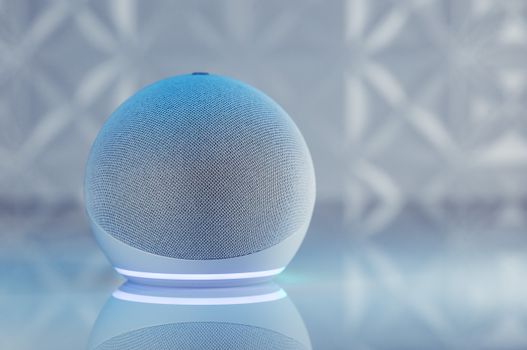 Photo: Jonathan Borba / Pexels
Understanding Communication Protocols and Standards
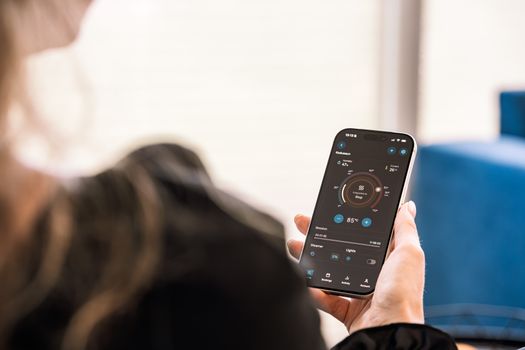 Photo: HUUM │sauna heaters / Pexels
Building a Cohesive Smart Home: Practical Compatibility Checks
Photo: Jonathan Borba / Pexels
Common Compatibility Pitfalls and How to Avoid Them
 Photo: panumas nikhomkhai / Pexels
Comparison
| Feature | Amazon Alexa | Google Home | Apple HomeKit | Matter (Emerging) |
|---|---|---|---|---|
| Primary Control | Echo devices, Alexa app, Voice | Nest devices, Google Home app, Voice | Home app, Siri, iOS devices | Any Matter-certified controller |
| Device Selection | Vast (thousands) | Extensive (hundreds/thousands) | Curated (fewer, high quality) | Growing (universal compatibility) |
| Ease of Setup | Generally easy | Generally easy | Very easy (QR code) | Designed for simplicity |
| Privacy Focus | Moderate | Moderate | High | High (local control focus) |
| Required Hub | Often none (Wi-Fi), some Echo devices have Zigbee | Often none (Wi-Fi), some Nest devices have Thread | Apple TV/HomePod/iPad for remote access | Matter controller (e.g., smart speaker) |
| Key Protocols | Wi-Fi, Bluetooth, Zigbee | Wi-Fi, Bluetooth, Thread | Wi-Fi, Bluetooth, Thread | Wi-Fi, Thread, Ethernet |
| Cost of Entry | Low to Moderate | Low to Moderate | Moderate to High | Varies by device |
What Readers Say
"This smart home devices compatibility guide saved me from making expensive mistakes! I was about to buy a smart lock that wouldn't have worked with my Google Home, but this article helped me understand the protocols and 'Works With' badges. My smart home is now perfectly in sync."
Sarah J. · Austin, TX"As a tech enthusiast, I thought I knew it all, but the section on communication protocols was incredibly insightful. It clarified why some of my older devices weren't playing nice and guided me to better choices for future upgrades. Highly recommend for anyone building a connected home."
Mark D. · Seattle, WA"Before reading this guide, my smart home felt like a collection of random gadgets. Following the advice, I consolidated my devices under one ecosystem and now everything works seamlessly. My routines run perfectly, and I finally feel like I have a truly 'smart' home."
Emily R. · Miami, FL"The information on Matter was particularly helpful for future-proofing. While the guide is comprehensive, I wish there were a few more specific brand recommendations for each ecosystem, but overall, it's an excellent resource for understanding smart home compatibility."
David L. · Denver, CO"I was overwhelmed by all the options, but this smart home devices compatibility guide broke it down into understandable steps. The practical compatibility checks section was a game-changer for my purchasing decisions. My smart lights, thermostat, and security camera now all work together flawlessly."
Jessica P. · Chicago, ILFrequently Asked Questions
What is the most important factor for smart home device compatibility?
The most important factor is aligning your devices with a primary smart home ecosystem (e.g., Amazon Alexa, Google Home, Apple HomeKit) and ensuring they use compatible communication protocols (Wi-Fi, Zigbee, Z-Wave, or Thread). Choosing devices that explicitly state 'Works With' your chosen ecosystem is crucial for seamless integration and control.
Will all my smart devices work together if they're from the same brand?
Not necessarily. While devices from the same brand often have better compatibility, it's not guaranteed. Manufacturers may have different product lines or use varying communication protocols across their offerings. Always check the specific model's compatibility with your chosen ecosystem and other devices, even within the same brand.
How do I check if a smart device is compatible with my existing setup?
First, identify your primary smart home ecosystem (e.g., Alexa). Then, look for explicit 'Works With [Your Ecosystem]' badges on the device's packaging or product page. Also, check the communication protocol (Wi-Fi, Zigbee, Z-Wave) and ensure you have the necessary hub or gateway if required for that protocol.
Is it more expensive to build a compatible smart home?
Not necessarily. While some premium devices might be more expensive, focusing on compatibility often saves money in the long run by preventing purchases of incompatible devices. Choosing a widely supported ecosystem can also give you access to a broader range of affordable, compatible options. The key is smart planning, not just buying the cheapest option.
How does Matter change smart home compatibility?
Matter aims to simplify compatibility by providing a universal, open-source standard that allows devices from different brands and ecosystems to communicate seamlessly over Wi-Fi, Thread, and Ethernet. It promises to reduce complexity, eliminate the need for multiple hubs, and make it easier to build a truly interoperable smart home, regardless of your chosen platform.
Who should use a smart home devices compatibility guide?
Anyone looking to build a new smart home, expand an existing one, or troubleshoot connectivity issues should use this guide. It's particularly helpful for beginners overwhelmed by choices and experienced users looking to optimize their setup or understand emerging standards like Matter.
Are there security risks with incompatible smart home devices?
Incompatible devices themselves don't pose direct security risks, but a fragmented smart home can lead to security vulnerabilities. Devices that aren't properly integrated might not receive timely updates, or relying on multiple proprietary apps could expose you to more potential data breaches. A cohesive, well-managed system generally offers better security.
What is the future trend for smart home device compatibility?
The future trend is undoubtedly towards greater interoperability, primarily driven by the Matter standard. This will lead to a more unified smart home experience, where consumers can mix and match devices from various manufacturers with confidence, reducing the 'walled garden' effect of current ecosystems and simplifying setup and management.
Don't let compatibility issues hold back your smart home dreams. Use this smart home devices compatibility guide to confidently build a connected, intelligent living space that truly works for you. Start planning your seamless smart home today!