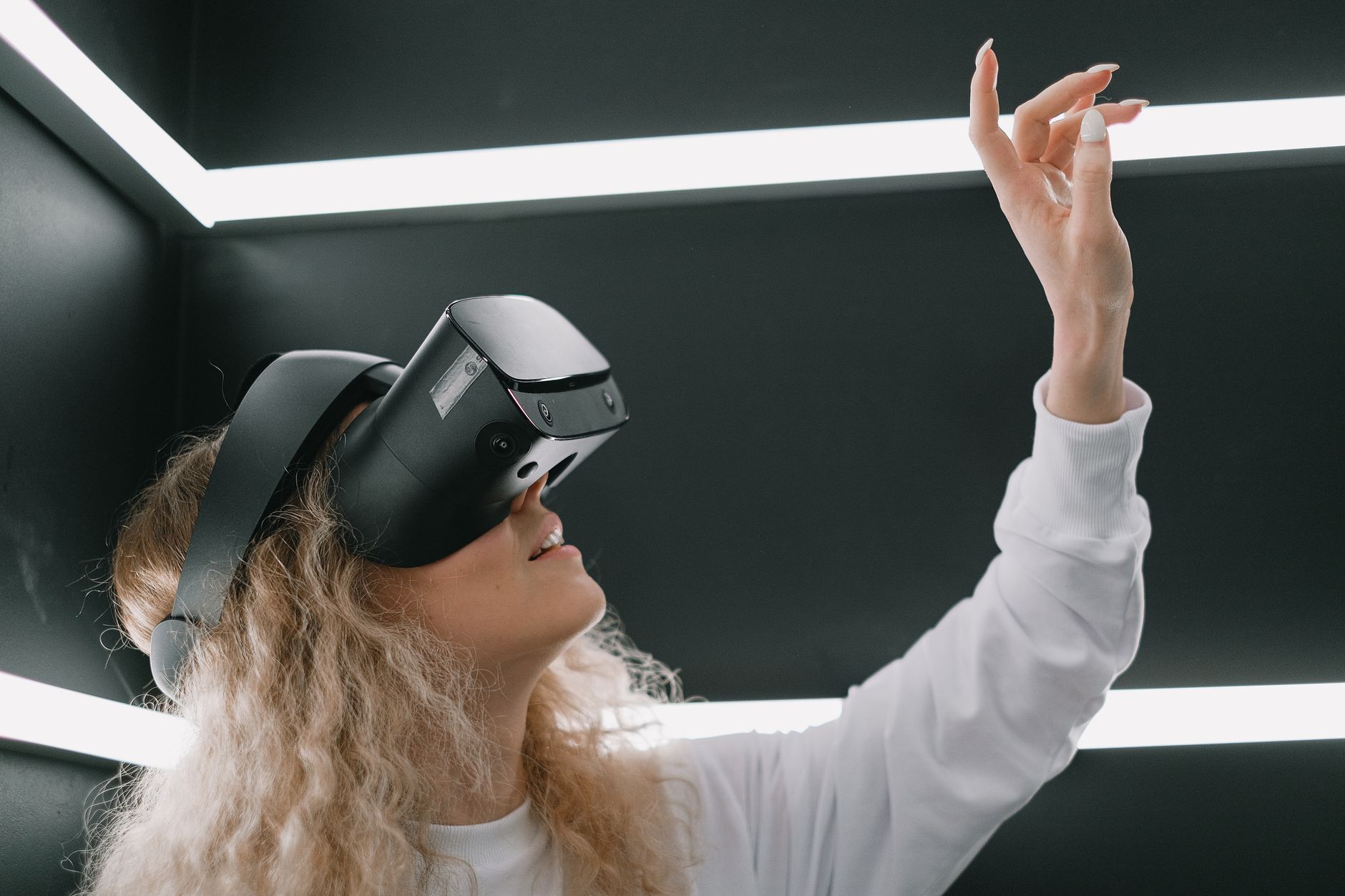
Latest Virtual Reality Headsets Reviews: Your Ultimate Guide
latest virtual reality headsets reviews

Latest Virtual Reality Headsets Reviews: Your Ultimate Guide

Uncover the cutting-edge VR technology transforming entertainment, work, and social interaction.

Explore VR Now

Key Takeaways

  • ✓ VR market rapidly expanding with advanced standalone and PC-tethered options.
  • ✓ Resolution, field of view, and tracking capabilities are crucial review metrics.
  • ✓ Comfort and ease of setup significantly impact user satisfaction.
  • ✓ Prices vary widely, from budget-friendly to high-end professional systems.

How It Works

1
Understand Your Needs

Determine if you prioritize gaming, productivity, social VR, or fitness. This will guide your choice between standalone and PC-tethered options.

2
Compare Key Specs

Focus on resolution (pixels per eye), refresh rate (Hz), field of view (degrees), and tracking technology (inside-out vs. outside-in).

3
Assess Comfort & Ergonomics

Consider weight distribution, strap adjustability, and IPD (interpupillary distance) adjustment. A comfortable headset is vital for long sessions.

4
Read Expert & User Reviews

Beyond specifications, real-world experiences offer insights into performance, software ecosystems, and potential issues. Look for consistent feedback.

Demystifying the Current Virtual Reality Landscape
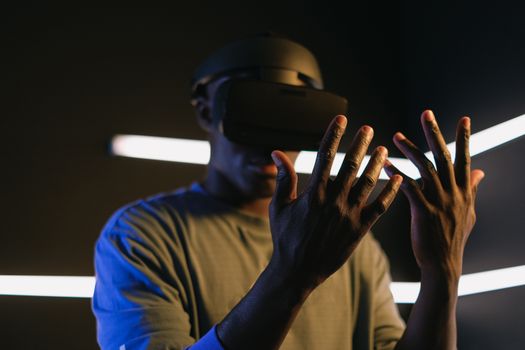
Focused view of a person using VR goggles and exploring virtual reality. Captures modern technology theme. Photo: SHVETS production / Pexels
The world of virtual reality is evolving at an unprecedented pace, with new hardware and software innovations constantly pushing the boundaries of what's possible. For anyone looking to dive into this immersive technology, navigating the myriad of options can be daunting. From standalone headsets that require no external devices to powerful PC-tethered systems designed for the most demanding applications, the choices are vast. Our latest virtual reality headsets reviews aim to cut through the noise, providing you with clear, actionable insights into the top contenders on the market today. We'll explore how these devices are not just for gaming but are revolutionizing fields like education, healthcare, and professional training. Understanding the core technologies—like display panels (LCD vs. OLED), lens types (Fresnel vs. Pancake), and tracking systems (inside-out vs. outside-in)—is crucial for making an informed decision. Standalone headsets, such as the Meta Quest series, have democratized VR by offering an all-in-one solution that's relatively affordable and easy to set up. These devices pack a processor, display, and battery all into the headset, making them highly portable and accessible. They often feature inside-out tracking, where cameras on the headset itself track your position and controller movements, eliminating the need for external base stations. On the other hand, PC-tethered headsets, like the Valve Index or HTC Vive Pro series, leverage the immense processing power of a high-end gaming PC to deliver unparalleled graphical fidelity and complex simulations. These systems typically offer higher resolutions, wider fields of view, and more sophisticated tracking, often utilizing external base stations for precise, room-scale tracking. Hybrid models are also emerging, offering the flexibility of standalone use with the option to connect to a PC for enhanced experiences. This flexibility caters to a broader range of users, from casual explorers to dedicated enthusiasts. The software ecosystem is another vital aspect, determining the breadth and quality of available content. Some platforms boast extensive game libraries, while others focus on productivity tools or social experiences. The user interface, ease of content discovery, and community support also play significant roles in the overall VR experience. We will delve into specific models, highlighting their strengths and weaknesses across these critical areas, ensuring you're well-equipped to choose the best VR headset for your needs and budget. The journey into virtual reality is an exciting one, promising transformative experiences across various facets of life. Discover more about cutting-edge tech trends and how VR fits into the broader digital landscape.

Deep Dive: Top Standalone VR Headsets Reviewed
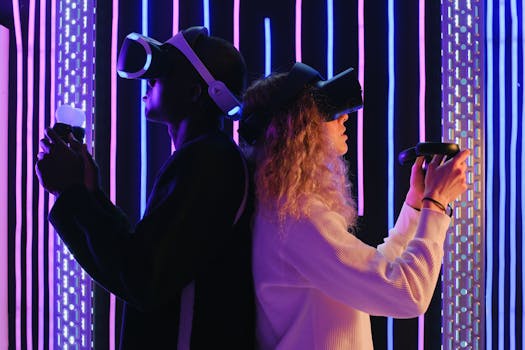
Two adults engaged in virtual reality gaming with VR headsets in a vibrant, neon-lit environment. Photo: SHVETS production / Pexels
Standalone VR headsets have truly opened the floodgates for mass adoption of virtual reality, offering an unparalleled combination of convenience, portability, and increasingly, performance. Leading this charge is often the Meta Quest series, which has consistently set the benchmark for what's possible in an all-in-one VR device. Our latest virtual reality headsets reviews extensively cover these models, examining their processing power, display quality, and the breadth of their content library. The Quest 3, for instance, boasts a significantly more powerful chip than its predecessors, enabling higher resolution displays and more complex applications. Its mixed reality capabilities, integrating virtual elements seamlessly into the real world, are a game-changer for both entertainment and productivity. We scrutinize its passthrough quality, controller ergonomics, and battery life, which are crucial factors for a truly immersive and uninterrupted experience. Beyond Meta, competitors are also making significant strides. The Pico series, for example, often targets the enterprise market but also offers compelling consumer options with robust features and an alternative content ecosystem. These headsets frequently emphasize comfort and business-oriented applications, providing a different flavor of standalone VR. We compare their optical clarity, tracking accuracy, and the responsiveness of their controllers, as well as their unique selling propositions, such as eye-tracking or advanced haptics. The user experience with standalone headsets extends beyond just the hardware; the software interface, app store navigation, and ease of casting to external displays are all integral components. We evaluate how intuitive these systems are for first-time users and how well they cater to experienced VR enthusiasts. Battery life remains a key consideration, especially for extended gaming or productivity sessions, and we provide real-world usage figures. Furthermore, the comfort of these headsets, including weight distribution, strap design, and ventilation, is paramount for prolonged use, preventing discomfort and fatigue. The ability to easily share experiences with friends and family, and the robustness of social VR features, are also increasingly important. Our reviews delve into these aspects, giving you a holistic view of each standalone headset's strengths and weaknesses, helping you decide which portable powerhouse best suits your immersive needs. The evolution of standalone VR continues to be a driving force in the industry, making immersive experiences more accessible than ever before.

Exploring the Powerhouses: PC-Tethered VR Headsets
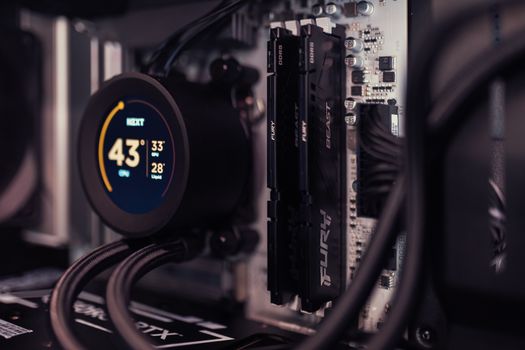
Detailed view of a gaming PC's interior featuring RAM and a digital CPU cooler display. Photo: Matheus Bertelli / Pexels
For those seeking the absolute pinnacle of virtual reality fidelity and performance, PC-tethered headsets remain the gold standard. These devices leverage the immense graphical processing power of a dedicated gaming PC to deliver breathtaking visuals, expansive worlds, and highly complex simulations that standalone headsets simply cannot match. Our latest virtual reality headsets reviews pay meticulous attention to these high-end systems, dissecting their display technologies, tracking precision, and overall immersive capabilities. The Valve Index, for instance, is renowned for its high refresh rate and wide field of view, creating an incredibly smooth and expansive visual experience. We examine its unique 'Knuckles' controllers, which offer individual finger tracking, enhancing immersion and interaction in VR environments. The setup process, which often involves external base stations for 'lighthouse' tracking, is also a critical point of evaluation, as it impacts the ease of use and room-scale tracking accuracy. Similarly, the HTC Vive Pro series continues to innovate with features like eye-tracking and specialized enterprise solutions, offering unparalleled precision and data collection for professional applications. We delve into their display resolutions, often pushing 4K per eye or higher, and the quality of their optics, which minimize screen-door effect and enhance clarity. The importance of a powerful PC cannot be overstated when discussing these headsets; we provide guidance on recommended specifications to ensure users can fully exploit the capabilities of these devices. Beyond raw technical specifications, the comfort and ergonomics of PC-tethered headsets are vital for extended play sessions. We assess their weight, balance, and adjustability, as well as the quality of their integrated audio solutions. The cable management aspect, often a point of contention for tethered systems, is also addressed, with some manufacturers offering wireless adapters to mitigate this challenge. The software ecosystem for PC VR is vast, with platforms like SteamVR offering thousands of titles, ranging from AAA games to intricate simulations and creative tools. We evaluate the performance and compatibility of these headsets across different VR platforms, ensuring a seamless content experience. For enthusiasts and professionals who demand the very best in visual fidelity, tracking accuracy, and content depth, PC-tethered VR headsets offer an unmatched level of immersion. Understanding the nuances of each system, from its display technology to its tracking solution and controller design, is essential for selecting the perfect high-fidelity VR experience. Learn about optimizing your PC for VR gaming to unlock the full potential of these powerful devices.

Choosing Your Ideal VR Headset: Tips and Common Mistakes

An adult man experiencing virtual reality with a VR headset in a technology-focused indoor setting. Photo: SHVETS production / Pexels
Navigating the diverse landscape of virtual reality headsets requires careful consideration to ensure your investment aligns with your expectations and usage patterns. Here are crucial tips and common pitfalls to avoid when selecting your ideal VR device, informed by our extensive latest virtual reality headsets reviews: **Tips for Choosing:** * **Define Your Primary Use Case:** Are you primarily a gamer, a fitness enthusiast, a social VR user, or do you need a headset for professional productivity/training? Your answer will heavily influence whether a standalone, PC-tethered, or even a mixed reality device is best. * **Prioritize Comfort:** VR sessions can last for hours. Look for headsets with good weight distribution, adjustable straps, and adequate padding. IPD (interpupillary distance) adjustment is crucial for eye comfort and visual clarity. * **Consider Your PC Specs (for tethered VR):** If you're eyeing a PC-tethered headset, ensure your computer meets or exceeds the recommended specifications. An underpowered PC will lead to a frustrating, low-performance experience. * **Evaluate the Ecosystem:** The hardware is only half the story. Research the content library, app store, and social features available on each platform. Some platforms have exclusive titles or stronger communities. * **Read Diverse Reviews:** Look beyond marketing materials. Consult professional reviews and, crucially, user reviews to get a balanced perspective on real-world performance, common issues, and customer support. **Common Mistakes to Avoid:** * **Ignoring IPD:** Incorrect IPD settings can cause eye strain, blurriness, and headaches. Always check if a headset offers physical or software IPD adjustment, and if it matches your own. * **Underestimating Cable Management (for tethered VR):** While wireless adapters exist, many PC VR setups involve cables. Poor cable management can break immersion and even cause tripping hazards. Plan your play space accordingly. * **Overlooking Software Updates:** VR technology is constantly evolving. Some manufacturers provide regular software updates that enhance features, improve performance, and fix bugs. Research a company's track record for support. * **Buying for Future Tech Too Early:** While exciting, don't solely buy a headset based on promises of future features that aren't yet implemented or fully stable. Focus on what the headset can deliver reliably today. * **Not Trying Before Buying:** If possible, try out different headsets at tech stores or VR arcades. Hands-on experience can reveal comfort issues or preferences that specs alone can't convey.

Comparison

FeatureMeta Quest 3Valve IndexPico 4
TypeStandalone/Mixed RealityPC-TetheredStandalone
Resolution (per eye)2064x22081440x16002160x2160
Refresh Rate (Hz)90, 120 (experimental)80, 90, 120, 14472, 90
Field of View (FoV)110° horizontal, 96° vertical130° horizontal105° horizontal
TrackingInside-outSteamVR (outside-in)Inside-out
ControllersTouch PlusKnuckles (Finger Tracking)Pico 4 Controllers
Price Range (USD)$499-$649$999 (full kit)$400-$500
Mixed Reality✓ (Color Passthrough)
IPD Adjustment✓ (Continuous)✓ (Physical)✓ (Electric)

What Readers Say

"The Meta Quest 3, based on these latest virtual reality headsets reviews, truly lives up to the hype. The mixed reality features are incredible for productivity, and the gaming is seamless. It's a huge upgrade from my old Quest 2!"

Sarah J. · Austin, TX

"I splurged on the Valve Index after reading several latest virtual reality headsets reviews, and I have zero regrets. The visual clarity and the 'Knuckles' controllers make VR gaming an entirely new experience. Worth every penny for PC enthusiasts."

Mark D. · Seattle, WA

"As a casual VR user, the Pico 4 has been perfect. The latest virtual reality headsets reviews highlighted its comfort and clear display, and it's so much lighter than other headsets. Great for fitness apps and watching movies."

Jessica L. · Orlando, FL

"I appreciate the depth of these latest virtual reality headsets reviews. While the Quest 3 is fantastic, I wish the battery life was a bit longer for extended sessions without an external pack. Still, it's a solid all-rounder."

Ethan K. · Boston, MA

"For medical training simulations, the precision and visual fidelity discussed in these latest virtual reality headsets reviews for PC-tethered options like the Vive Pro 2 are indispensable. The detailed graphics significantly enhance the learning experience."

Dr. Alex R. · San Francisco, CA

Frequently Asked Questions

What's the main difference between standalone and PC-tethered VR headsets?

Standalone VR headsets are all-in-one devices that contain their own processing power, display, and battery, offering portability and ease of use without needing a PC. PC-tethered headsets rely on a high-end gaming computer for processing, delivering superior graphics, wider fields of view, and often more precise tracking, but require a physical connection to the PC.

Are VR headsets comfortable to wear for long periods?

Comfort is a critical factor and varies significantly between models. Many manufacturers are focusing on improved ergonomics, better weight distribution, and advanced strap designs to enhance comfort. Features like adjustable IPD and breathable materials also contribute. However, personal fit and sensitivity can still lead to discomfort for some users during extended sessions.

How do I choose the right VR headset for gaming?

For gaming, consider your budget and existing hardware. If you have a powerful gaming PC, a PC-tethered headset like the Valve Index or HTC Vive Pro will offer the best visual fidelity and performance. If you prefer convenience and don't have a high-end PC, a standalone headset like the Meta Quest 3 provides an excellent, ever-growing library of games with great graphics.

What's the average cost of the latest virtual reality headsets?

The cost of the latest virtual reality headsets varies widely. Entry-level standalone headsets can start around $300-$500, offering a great balance of features and accessibility. High-end PC-tethered systems, including controllers and base stations, can range from $700 to over $1,500, reflecting their advanced technology and performance.

How do mixed reality features enhance the VR experience?

Mixed reality (MR) features, often seen in newer standalone headsets, integrate virtual objects and information into your real-world environment. This allows for applications like virtual screens for productivity, interactive educational experiences, or games that blend seamlessly with your physical space, offering a unique blend of digital and physical interaction.

Who should consider investing in the latest virtual reality headsets reviews?

Anyone interested in immersive gaming, cutting-edge entertainment, virtual fitness, unique social experiences, or even professional applications like design, training, and education should consider reading the latest virtual reality headsets reviews. They provide valuable insights to help both newcomers and seasoned enthusiasts make an informed decision.

Is virtual reality safe for children?

Most VR headset manufacturers recommend a minimum age, often 12 or 13, due to potential concerns about eye development and the intensity of some VR experiences. Parental supervision is always advised, and it's important to ensure content is age-appropriate and that children take frequent breaks to avoid motion sickness or eye strain.

What are the upcoming trends in virtual reality technology?

Future trends in VR include higher resolution displays, wider fields of view, lighter and more comfortable designs, enhanced mixed reality capabilities, advanced haptics for more realistic tactile feedback, and eye-tracking with foveated rendering to optimize performance. We also anticipate more integration with AI and increasingly sophisticated social VR platforms.

Ready to step into new realities? Our latest virtual reality headsets reviews provide all the insights you need to make an informed choice. Explore the cutting-edge of immersive technology and find the perfect VR headset to transform your gaming, work, and entertainment experiences today.

Topics: latest virtual reality headsets reviewsbest VR headsets 2024VR headset comparisonimmersive VR experiencesvirtual reality gaming
Leo List
Brampton weed
Adultwork EstrelaBet Vai de Bet R7 Bet Betão Galera Bet Rainbet Bet9ja Shop SportyBet BetKing Sisal Loto Foot Hollywoodbets YesPlay Odibets RushBet Jugabet BetWarrior BetCity MSport betPawa Fortebet