
How to Fix Slow Internet Connection: Your Ultimate Guide
how to fix slow internet connection

How to Fix Slow Internet Connection: Your Ultimate Guide

Unleash your internet's full potential and say goodbye to frustrating lag and buffering.

Boost Your Speed Now!

Key Takeaways

  • ✓ Over 70% of internet speed issues can be resolved with simple troubleshooting.
  • ✓ Your router's placement significantly impacts Wi-Fi performance.
  • ✓ Outdated hardware (modem/router) is a common bottleneck for internet speed.
  • ✓ Background applications and excessive device connections can slow down your network.

How It Works

1
Identify the Problem Source

Determine if the issue is with your device, Wi-Fi, modem, or ISP. Run speed tests and check connection indicators.

2
Optimize Your Network Hardware

Restart your modem/router, check cables, and consider upgrading old equipment for better performance.

3
Improve Wi-Fi Signal Strength

Relocate your router, use extenders, or switch to a mesh system to eliminate dead zones and boost coverage.

4
Manage Device & Software Usage

Close bandwidth-hogging apps, limit simultaneous streams, and ensure your devices are free of malware.

Understanding the Roots of Your Slow Internet Connection

A young man in a hoodie looks irritated while working on a laptop in a cozy indoor setting. Photo: https://kaboompics.com/ / Pexels
A sluggish internet connection can be one of the most frustrating experiences in the digital age. Whether you're trying to stream your favorite show, participate in a video conference, or simply browse the web, constant buffering and slow loading times can bring productivity and entertainment to a grinding halt. Before you can effectively address the problem, it's crucial to understand the various factors that contribute to a slow internet connection. This foundational knowledge empowers you to diagnose issues more accurately and apply the most appropriate solutions. Several common culprits can degrade your internet speed. One of the most frequent is your Internet Service Provider (ISP) and the plan you've subscribed to. Many users pay for a certain speed but rarely achieve it due to various network congestions or infrastructure limitations. It's important to periodically check your actual speeds against your subscribed plan using reliable speed test websites. Another significant factor is your hardware, specifically your modem and router. An outdated modem might not be capable of handling the speeds your ISP delivers, acting as a bottleneck. Similarly, an older router might struggle with modern Wi-Fi standards, leading to slower wireless performance across your devices. Physical obstructions and distance from your router also play a massive role in Wi-Fi signal strength and, consequently, your effective internet speed. Walls, floors, and large appliances can absorb or reflect Wi-Fi signals, creating dead zones or areas with significantly reduced speeds. Beyond hardware and physical environment, software and network usage patterns contribute heavily to perceived slowness. Too many devices connected to your network simultaneously, all actively streaming, downloading, or gaming, can quickly exhaust your available bandwidth. Each device competes for a share of the pie, leading to slower speeds for everyone. Furthermore, background applications on your computer or smartphone, automatic updates, and even malware can silently consume significant bandwidth without your immediate knowledge. Browser extensions, VPNs, and older operating systems can also introduce latency or slow down your connection. Understanding these multifaceted causes is the first, most critical step in learning how to optimize your internet speed and reclaim your digital experience. By systematically eliminating these potential issues, you can significantly improve your internet performance and enjoy a smoother, faster online life.

Optimizing Your Network Hardware for Peak Performance
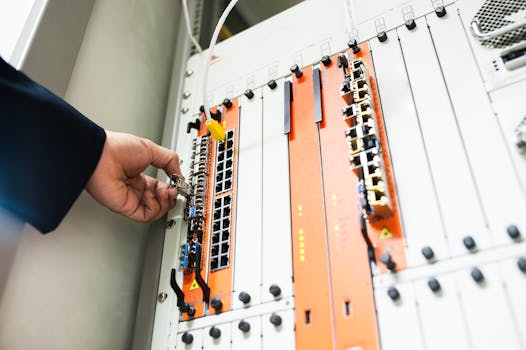
Close-up of a hand adjusting network equipment in a data center. Photo: panumas nikhomkhai / Pexels
Once you've grasped the potential causes of your slow internet, the next logical step is to delve into practical solutions, starting with your network hardware. Your modem and router are the gateways to the internet in your home or office, and their condition and configuration are paramount to achieving optimal speeds. The simplest, yet often most effective, first step is to perform a power cycle on your modem and router. This involves unplugging both devices from their power source for about 30 seconds to a minute, then plugging them back in, starting with the modem first, followed by the router. This process clears their memory, refreshes their connections, and can resolve many temporary glitches that lead to slow speeds. Beyond a simple reboot, inspect all physical connections. Ensure that all Ethernet cables are securely plugged into their respective ports on your modem, router, and devices. Damaged or loose cables can cause signal degradation and intermittent connectivity issues. If you're using older Ethernet cables (e.g., Cat5), consider upgrading to Cat5e or Cat6 cables, especially for devices that require high bandwidth, like gaming consoles or streaming boxes. These newer standards support faster data transfer rates and can make a noticeable difference. Another critical hardware consideration is the age and specifications of your modem and router. Technology evolves rapidly, and an older modem, particularly one that's not DOCSIS 3.0 or 3.1 compatible, might not be able to handle the speeds offered by modern ISPs. Similarly, an ancient router might only support older Wi-Fi standards (like 802.11g or n) which are significantly slower than newer standards (like 802.11ac or ax/Wi-Fi 6). Upgrading to a modern, high-performance router and modem can unlock significantly faster speeds and better overall network efficiency. Router placement is another often-overlooked aspect. Your router should ideally be placed in a central location in your home, away from obstructions like thick walls, large metal objects, and other electronics that can cause interference (e.g., microwaves, cordless phones). Elevating the router can also help distribute the signal more effectively, as Wi-Fi signals tend to travel downwards. If your router has external antennas, try adjusting their orientation – sometimes pointing one vertically and one horizontally can improve signal propagation. For larger homes or areas with persistent dead zones, consider investing in a mesh Wi-Fi system. These systems use multiple access points to create a seamless, strong Wi-Fi network throughout your entire property, eliminating the need for range extenders that often cut bandwidth in half. By meticulously optimizing your network hardware, you lay a strong foundation for a consistently fast and reliable internet connection.

Software Solutions and Advanced Troubleshooting Techniques

Detailed view of HTML code on a computer screen, ideal for tech and software development themes. Photo: Markus Spiske / Pexels
While hardware optimization is crucial, software-related issues and advanced troubleshooting techniques often hold the key to truly resolving persistent slow internet problems. Your devices themselves can be significant culprits. Start by checking for bandwidth-intensive applications running in the background on your computers and smartphones. Cloud synchronization services (like Dropbox, Google Drive, OneDrive), automatic updates for operating systems and software, torrent clients, and even multiple open browser tabs can silently consume substantial bandwidth. Close any unnecessary applications and pause large downloads or updates when you need maximum speed. Malware and viruses are notorious for slowing down internet connections. These malicious programs can hog system resources, generate unwanted network traffic, or even redirect your internet requests, leading to noticeable slowdowns. Regularly run comprehensive scans with reputable antivirus and anti-malware software on all your connected devices. Keeping your operating system, web browsers, and router firmware updated is also vital. Updates often include performance enhancements, security patches, and bug fixes that can directly impact your internet speed and stability. An outdated router firmware, for instance, might not be compatible with the latest network protocols, leading to inefficiencies. Consider optimizing your browser settings. Too many browser extensions can slow down page loading times. Review and disable or remove any extensions you don't frequently use. Clearing your browser's cache and cookies regularly can also improve loading speeds for frequently visited sites. For advanced users, changing your Domain Name System (DNS) server can sometimes yield faster browsing. Your ISP typically assigns a default DNS server, but public DNS servers like Google DNS (8.8.8.8, 8.8.4.4) or Cloudflare DNS (1.1.1.1, 1.0.0.1) can often resolve domain names faster, leading to a snappier browsing experience. You can usually change these settings in your router's configuration panel or directly on your device's network settings. Finally, if all else fails and you've systematically worked through hardware and software solutions, it might be time to contact your ISP. They can perform remote diagnostics, check for network congestion in your area, verify your service plan, and potentially send a technician to investigate issues with the line coming into your home. Before calling, ensure you have documented your troubleshooting steps and speed test results, as this information will be invaluable to their support team. Learning how to choose the best internet provider can prevent these issues in the future.

Common Mistakes to Avoid and Pro Tips for Sustained Speed

Elderly man frustrated by smartphone and laptop technology indoors at home. Photo: Helena Lopes / Pexels
Maintaining a consistently fast internet connection isn't just about applying fixes; it's also about avoiding common pitfalls and adopting proactive habits. Many users inadvertently contribute to their own slow internet woes through simple oversights. Here are some common mistakes to avoid and pro tips to ensure your internet stays zippy: * **Ignoring Router Placement:** Don't tuck your router away in a closet or behind a TV. This severely obstructs the Wi-Fi signal. Place it centrally, elevated, and away from interference. * **Overloading Your Network:** Be mindful of how many devices are simultaneously streaming 4K video, downloading large files, or engaging in online gaming. Prioritize bandwidth for critical tasks or upgrade your plan if your household needs more capacity. * **Neglecting Hardware Upgrades:** Holding onto a modem or router from five years ago when you've upgraded your internet plan is a recipe for disappointment. Old hardware can't keep up with new speeds. * **Skipping Software Updates:** Router firmware, operating system patches, and browser updates often contain critical performance improvements and security fixes. Keep everything updated. * **Using Default Wi-Fi Settings:** Change your Wi-Fi password from the default, enable WPA3 encryption if available, and consider using a strong, unique network name (SSID). **Pro Tips for Sustained Speed:** * **Regular Speed Tests:** Make it a habit to run speed tests periodically, especially when you notice slowdowns. This helps you track performance over time and provides data for ISP conversations. * **Ethernet for Stationary Devices:** For devices like smart TVs, gaming consoles, and desktop PCs, use an Ethernet cable instead of Wi-Fi. This provides a faster, more stable connection and frees up Wi-Fi bandwidth for mobile devices. * **Utilize QoS (Quality of Service):** Many modern routers offer QoS settings, allowing you to prioritize certain types of traffic (e.g., video streaming, gaming) or specific devices over others. This ensures critical applications get the bandwidth they need. * **Consider a Wi-Fi Analyzer App:** Use a Wi-Fi analyzer app on your smartphone to identify congested Wi-Fi channels in your area. Switching your router to a less crowded channel can significantly improve performance, especially in apartment buildings. * **Secure Your Wi-Fi:** Ensure your Wi-Fi network is password-protected with a strong, unique password. An open network or a weak password invites unauthorized users, who will consume your precious bandwidth without your knowledge.

Comparison

FeatureMesh Wi-Fi SystemWi-Fi ExtenderPowerline Adapter
CoverageWhole home, seamlessLimited area, creates new networkUses electrical wiring, room-specific
PerformanceExcellent, consistentGood, but often halves speedGood, dependent on wiring quality
Setup EaseEasyVery EasyEasy
CostHighLowMedium
Seamless Roaming

What Readers Say

"This guide was a lifesaver! My internet was constantly buffering, and I thought I needed a new ISP. Following the tips on router placement and updating my firmware completely transformed my connection. No more lag during video calls!"

Sarah J. · Austin, TX

"I used to just reboot my router and hope for the best. This article explained how to fix slow internet connection thoroughly, from checking cables to changing DNS. My speeds are consistently faster now, and downloads finish in a flash."

Michael R. · Denver, CO

"The section on identifying background apps was a game-changer. I found several programs hogging bandwidth I didn't even know were running. My internet speed improved by almost 50% immediately after closing them down."

Emily C. · Miami, FL

"While most tips were helpful, the advice on upgrading old hardware was the most impactful for me. My old router was definitely a bottleneck. The new one made a significant difference, though I still occasionally see minor dips during peak hours."

David P. · Seattle, WA

"As a remote worker, reliable internet is non-negotiable. This guide gave me a step-by-step approach to troubleshoot my home network. The tip about using Ethernet for my work PC was simple but incredibly effective for stable connections."

Jessica L. · Chicago, IL

Frequently Asked Questions

What is the single most effective thing I can do to fix slow internet connection?

The single most effective action is often to power cycle your modem and router. Unplug both devices for at least 30 seconds, then plug the modem back in first, wait for it to fully connect, and then plug in the router. This simple reset can resolve many temporary network glitches and restore optimal performance.

My internet is slow only on Wi-Fi, but fast on Ethernet. What's wrong?

If your Ethernet connection is fast but Wi-Fi is slow, the problem likely lies with your Wi-Fi network. This could be due to router placement, signal interference from other devices or neighbors' Wi-Fi, outdated router hardware, or too many devices competing for bandwidth on your Wi-Fi network. Consider optimizing router placement, checking for channel interference, or upgrading your router.

How do I check if my internet speed matches my ISP plan?

You can check your internet speed by running an online speed test. Websites like Speedtest.net or Fast.com provide accurate measurements of your download and upload speeds. Perform tests at different times of the day and with various devices to get a comprehensive understanding of your actual performance and compare it to your subscribed plan.

Is it worth upgrading my modem and router to fix slow internet connection?

Absolutely. If your modem and router are several years old, they may not support the latest Wi-Fi standards or DOCSIS versions, becoming a significant bottleneck for your internet speed, even if you pay for a fast plan. Upgrading to modern hardware that supports Wi-Fi 6 (802.11ax) and DOCSIS 3.1 can dramatically improve speed, coverage, and network efficiency, providing excellent value for money.

How do mesh Wi-Fi systems compare to traditional Wi-Fi extenders for improving coverage?

Mesh Wi-Fi systems are generally superior to traditional extenders. Mesh systems create a single, seamless network throughout your home with multiple access points, offering consistent speeds and smooth roaming. Extenders, conversely, often create a separate network, can halve bandwidth, and don't provide the same level of seamless coverage. For larger homes or significant dead zones, mesh systems offer a much better experience.

Who should consider upgrading their internet plan to fix slow internet connection?

You should consider upgrading your internet plan if you've exhausted all troubleshooting steps, your speed tests consistently show you're getting speeds close to your subscribed plan, but your household's demands (e.g., multiple 4K streams, heavy online gaming, numerous smart devices) still exceed your current bandwidth. It's also a good option if your ISP offers significantly faster speeds for a reasonable price increase.

Are VPNs or ad blockers contributing to my slow internet speed?

Yes, both VPNs and ad blockers can potentially slow down your internet connection. VPNs encrypt your traffic and route it through a remote server, which adds overhead and latency, impacting speed. Ad blockers work by filtering content, which can sometimes introduce a slight delay in page loading. While their impact is often minor, disabling them temporarily can help diagnose if they are a factor in your perceived slowdowns.

What's the future of internet speed and how will it affect my current setup?

The future of internet speed is moving towards even faster fiber optic connections and advancements like Wi-Fi 7 (802.11be), which promises unprecedented speeds and lower latency. While your current setup might suffice for today, these future technologies will demand compatible hardware to fully leverage their benefits. Regularly updating your router and modem will ensure you're ready for the next generation of internet connectivity.

Don't let a slow internet connection hold you back any longer. By implementing the strategies outlined in this guide, you can confidently diagnose and resolve most issues, ensuring a faster, more reliable online experience. Take control of your connectivity today and enjoy the internet at the speed it was meant to be.

Topics: how to fix slow internet connectionspeed up internetboost wifi signalinternet troubleshootingimprove broadband speed
Leo List

DK Escorts LU Escorts AT Escorts SE Escorts FI Escorts CH Escorts DE Escorts HR Escorts IE Escorts GR Escorts CZ Escorts NO Escorts BE Escorts FR Escorts SI Escorts IL Escorts NL Escorts PL Escorts HU Escorts ES Escorts IT Escorts PT Escorts SK Escorts RO Escorts ZA Escorts UY Escorts US Escorts UK Escorts NZ Escorts AU Escorts
Brampton weed
Adultwork EstrelaBet Vai de Bet R7 Bet Betão Galera Bet Rainbet Bet9ja Shop SportyBet BetKing Sisal Loto Foot Hollywoodbets YesPlay Odibets RushBet Jugabet BetWarrior BetCity MSport betPawa Fortebet