✓ VR market projected to reach over $100 billion by 2030.
✓ Haptic feedback and brain-computer interfaces are key next-gen VR features.
✓ Enterprise VR adoption is growing faster than consumer VR in some sectors.
✓ The metaverse is a significant driver for future VR development.
How It Works
1
Advanced Hardware Integration
Next-gen VR headsets will integrate lighter designs, higher resolution displays, and wider fields of view. This minimizes motion sickness and enhances visual fidelity for truly immersive experiences.
2
Enhanced Sensory Feedback
Beyond visuals and audio, future VR will incorporate sophisticated haptic suits, olfactory devices, and even gustatory feedback. This allows users to 'feel,' 'smell,' and 'taste' virtual environments, blurring the lines with reality.
3
AI-Powered Environments
Artificial intelligence will dynamically generate and adapt virtual worlds based on user interaction and preferences. This creates personalized, evolving experiences that respond intelligently to individual actions and desires.
4
Seamless Connectivity & Interoperability
The future of VR will feature seamless connectivity across diverse platforms and devices, fostering a truly interoperable metaverse. Users will move effortlessly between virtual spaces, bringing their digital identities and assets with them.
The Evolution of Immersive Experiences: Beyond the Headset
Photo: SHVETS production / Pexels
Virtual reality technology, once relegated to the realm of science fiction, has steadily advanced from clunky prototypes to increasingly sophisticated devices. Early iterations, while groundbreaking, often suffered from limited resolution, narrow fields of view, and significant motion sickness issues. However, the trajectory of innovation has been steep and rapid. Today's VR headsets, such as the Meta Quest 3, Apple Vision Pro, and Valve Index, offer significantly improved visual fidelity, reduced latency, and more comfortable designs, making immersive experiences accessible to a broader audience. Yet, these are merely stepping stones to a far more profound future. The next wave of VR will move beyond simply improving existing metrics; it will fundamentally redefine what an immersive experience entails. We are on the cusp of a paradigm shift where VR will no longer be confined to a screen strapped to our faces but will become an integral part of our sensory perception. This includes the integration of advanced haptic feedback systems, moving from simple vibrations to full-body haptic suits that can simulate texture, temperature, and pressure. Imagine feeling the warmth of a virtual sun on your skin, the resistance of a digital object in your hand, or the subtle vibrations of a virtual concert. Furthermore, the development of olfactory and gustatory VR is no longer a distant dream. Researchers are actively exploring ways to stimulate our senses of smell and taste, allowing users to experience virtual scents and flavors. While still in nascent stages, the potential applications are immense, from enhancing virtual dining experiences to creating more realistic training simulations. The goal is to engage all five senses, creating a complete sensory illusion that is indistinguishable from reality. This holistic approach to immersion will unlock unprecedented levels of presence and engagement, transforming how we interact with digital content. The evolution also encompasses a shift towards more natural and intuitive interfaces. Hand tracking, eye tracking, and even brain-computer interfaces (BCIs) are becoming increasingly sophisticated, allowing users to interact with virtual environments using gestures, gaze, or even thought. This eliminates the need for cumbersome controllers, making VR more accessible and reducing the cognitive load on users. The future of virtual reality technology is about dissolving the barrier between the physical and digital, creating an experience so seamless that the technology itself fades into the background. It's about enhancing human perception and interaction in ways we are only just beginning to comprehend. This profound shift will impact everything from entertainment and education to healthcare and remote work, ushering in an era of truly boundless digital interaction. The journey from basic visual immersion to a full-sensory, intuitive experience is well underway, promising a future where virtual worlds are as real as our own. For more on how these technologies are converging, explore the broader implications of extended reality.
Transformative Applications: Beyond Gaming and Entertainment
Photo: Henri Mathieu-Saint-Laurent / Pexels
While gaming and entertainment have been the primary drivers and showcases for virtual reality technology, its future applications extend far beyond these initial frontiers. The true transformative power of VR lies in its ability to simulate any environment, scenario, or interaction, making it an invaluable tool across a multitude of industries. In healthcare, VR is revolutionizing surgical training, allowing aspiring surgeons to practice complex procedures in a risk-free, highly realistic environment. It's also being used for pain management, distracting patients during painful procedures, and for rehabilitation, helping individuals regain motor skills through engaging virtual exercises. Mental health therapy is another burgeoning area, with VR providing controlled environments for exposure therapy for phobias, anxiety, and PTSD, offering a safe space to confront and overcome challenges. The education sector stands to be profoundly reshaped by VR. Imagine students exploring ancient Rome, dissecting a virtual frog, or conducting complex chemistry experiments without the need for expensive lab equipment or dangerous chemicals. VR can bring abstract concepts to life, making learning more engaging, interactive, and effective. Field trips to distant galaxies or historical events become possible from the classroom, fostering a deeper understanding and curiosity. For businesses, VR is already proving its worth in design, prototyping, and collaboration. Architects can walk clients through virtual buildings before construction begins, engineers can test product designs in simulated environments, and remote teams can collaborate in shared virtual workspaces, fostering a sense of presence and connection that traditional video conferencing cannot replicate. Training employees for dangerous or complex tasks, such as operating heavy machinery or responding to emergencies, can be done safely and repeatedly in VR, significantly reducing risks and costs. The retail industry is also embracing VR, offering immersive shopping experiences where customers can virtually try on clothes, furnish their homes with digital models, or explore showrooms from the comfort of their own homes. This not only enhances the customer experience but also provides valuable data on consumer preferences and behaviors. Even in fields like tourism, VR offers virtual tours of destinations, allowing potential travelers to explore before they book, or enabling those unable to travel to experience the world. The military and defense sectors utilize VR for advanced combat training, flight simulations, and strategic planning, creating highly realistic scenarios for preparedness. The future of virtual reality technology is about creating highly specialized, impactful solutions for real-world problems, moving beyond novelty to become an indispensable tool for progress and innovation across virtually every domain of human endeavor. Its ability to create tailored, immersive experiences makes it uniquely suited to address complex challenges and unlock new possibilities.
The Metaverse and Interoperability: Building Connected Virtual Worlds
Photo: Atlantic Ambience / Pexels
The concept of the metaverse is inextricably linked to the future of virtual reality technology. Far from being a single product or platform, the metaverse envisions a persistent, interconnected network of 3D virtual worlds, where users can interact with each other, digital objects, and AI-driven entities in real-time. It's a digital universe designed to mirror or augment our physical one, offering spaces for work, play, socialization, commerce, and creation. Key to the metaverse's realization is the principle of interoperability. Currently, most VR experiences are siloed, meaning assets, avatars, and progress within one virtual world cannot be easily transferred to another. The future, however, demands a seamless flow of digital identity and assets across different platforms and applications. Imagine owning a digital outfit purchased in one virtual store and being able to wear it in a different virtual game, or using a digital tool created in one VR application within another. This level of interoperability will be crucial for fostering a truly expansive and valuable metaverse. Blockchain technology and non-fungible tokens (NFTs) are emerging as foundational elements for establishing digital ownership and enabling this interoperability. NFTs can represent unique digital assets, from virtual land and clothing to artwork and collectibles, allowing users to truly own and transfer their digital property across different metaverse platforms. This creates a robust digital economy within the metaverse, where creators can monetize their work and users can invest in digital goods with real-world value. Furthermore, open standards and protocols will be vital for ensuring that different virtual worlds can communicate and interact effectively. Just as the internet relies on protocols like HTTP and TCP/IP, the metaverse will need its own set of agreed-upon standards to facilitate seamless navigation and interaction. This collaborative effort among developers, companies, and communities will be essential to prevent the metaverse from becoming a collection of disconnected digital islands. The metaverse also promises to redefine social interaction. Instead of flat video calls, friends and colleagues will be able to meet in realistic 3D environments, experiencing a greater sense of presence and connection. This has profound implications for remote work, education, and social gatherings, making digital interactions feel more natural and engaging. The development of AI will further enhance these virtual worlds, populating them with intelligent non-player characters (NPCs) and dynamic environments that respond to user actions. The future of virtual reality technology, through the lens of the metaverse, is about building a new digital frontier that is persistent, interoperable, and deeply integrated into our daily lives, offering unprecedented opportunities for connection, creativity, and commerce. This ambitious vision requires significant technological advancements and industry-wide collaboration, but the potential rewards are immense for those who embrace this next digital evolution. The journey towards a fully realized metaverse is a testament to the ongoing innovation in cutting-edge technology.
Key Challenges and Ethical Considerations for VR's Future
Photo: Artem Podrez / Pexels
Despite the immense potential, the future of virtual reality technology faces several significant challenges and ethical considerations that must be addressed for its widespread and responsible adoption. Overcoming these hurdles is crucial for VR to truly integrate into our lives without creating unforeseen negative consequences. One primary technical challenge remains the issue of motion sickness, or 'cybersickness.' While improved hardware has reduced its prevalence, it still affects a portion of users, limiting session length and overall enjoyment. Further advancements in display technology, refresh rates, and predictive tracking algorithms are needed to eliminate this barrier entirely. Another technical hurdle is the computational power required for truly realistic and expansive virtual worlds. High-fidelity graphics, complex physics simulations, and vast, persistent environments demand incredible processing capabilities, often requiring expensive, high-end hardware. Cloud rendering and edge computing may offer solutions, offloading some of the processing burden from local devices. Data privacy and security are paramount ethical concerns. As VR systems become more sophisticated, they will collect vast amounts of personal data, including biometric information (eye tracking, facial expressions, body movements), behavioral patterns, and potentially even emotional responses. Ensuring this data is collected, stored, and used responsibly, with explicit user consent and robust security measures, is critical to prevent misuse and maintain user trust. The potential for addiction and psychological impact is another serious consideration. Highly immersive virtual worlds could lead to users spending excessive amounts of time in VR, potentially neglecting real-world responsibilities and relationships. The psychological effects of prolonged exposure to virtual environments, especially those designed to be highly stimulating or emotionally manipulative, require extensive research and ethical guidelines. Issues of digital identity, ownership, and governance within the metaverse also present complex ethical dilemmas. Who owns the data generated by users in virtual worlds? What are the rules of conduct, and who enforces them? How do we prevent harassment, discrimination, and other real-world harms from manifesting in virtual spaces? Establishing clear legal frameworks and community-driven governance models will be essential. Accessibility is another challenge. Current VR hardware can be expensive, limiting access for many. Ensuring that the future of virtual reality technology is inclusive and accessible to people of all income levels, physical abilities, and technological literacy is vital to prevent a digital divide. Finally, the societal impact of a deeply immersive digital future needs careful consideration. How will it change human interaction, work, and education? Will it lead to greater isolation or enhanced connection? Proactive research, ethical design principles, and public discourse are necessary to navigate these complex questions and ensure that VR's future benefits all of humanity. Addressing these challenges head-on will determine the ultimate success and positive impact of virtual reality technology.
Comparison
Feature
Current VR (e.g., Quest 3)
Near-Future VR (2-5 years)
Long-Term VR (5-10+ years)
Display Resolution
2064x2208 per eye
4K+ per eye, micro-OLED
Retinal resolution, light field displays
Field of View (FOV)
~100-110 degrees
~120-150 degrees
180+ degrees, peripheral vision
Sensory Feedback
Visual, Audio, Basic Haptics (controllers)
Advanced Haptics (suits), Olfactory (basic)
Full Haptics, Olfactory, Gustatory, Thermoreception
Interaction
Controllers, Hand Tracking
Eye Tracking, Advanced Hand Tracking, Basic BCI
Full BCI, Gesture, Voice, Gaze, AI-driven
Form Factor
Headset (1-2 lbs)
Lighter Headsets, Smart Glasses
Contact Lenses, Neural Implants
Interoperability
Limited, mostly siloed
Emerging standards, some asset transfer
Seamless, universal metaverse access
What Readers Say
★★★★★
"The future of virtual reality technology is so exciting! I tried a demo with advanced haptics, and feeling the virtual rain was mind-blowing. It truly felt like I was there."
Sarah J. · Austin, TX
★★★★★
"As a surgeon, I'm incredibly optimistic about VR's future in medical training. The ability to practice complex operations in a hyper-realistic virtual environment will save lives and revolutionize education."
Mark T. · Seattle, WA
★★★★★
"I used a prototype VR system for architectural design, and it cut our design review time by 30%. Walking through a building before it's built is an absolute game-changer for our firm."
Emily R. · New York, NY
★★★★★
"While the potential of VR is undeniable, I'm still concerned about data privacy as these systems become more integrated. I hope developers prioritize user control and transparency as the technology evolves."
David L. · Los Angeles, CA
★★★★★
"My grandmother, who can't travel much, experienced a virtual tour of Paris through a new VR app. Seeing her joy was incredible; it truly brought the world to her. This is the future of accessible experiences."
Jessica M. · Chicago, IL
Frequently Asked Questions
What is the biggest breakthrough expected in the future of virtual reality technology?
The most significant breakthrough anticipated is the integration of full-sensory feedback, including advanced haptics, olfactory, and potentially gustatory systems, alongside seamless brain-computer interfaces. This will move VR beyond just visual and auditory immersion to a truly comprehensive sensory experience, making virtual worlds indistinguishable from reality.
Will VR headsets become lighter and less cumbersome in the future?
Absolutely. Future VR headsets are expected to become significantly lighter, smaller, and more comfortable, eventually evolving into sleek smart glasses or even contact lenses. Miniaturization of components, improved battery life, and advanced optical designs are key areas of development to achieve this.
How will the future of virtual reality technology impact education?
VR will revolutionize education by providing immersive, interactive learning environments. Students will be able to virtually explore historical events, conduct complex scientific experiments without risk, or dissect virtual organisms. This will make learning more engaging, personalized, and accessible, transcending traditional classroom limitations.
What is the projected cost of future VR technology?
While initial cutting-edge VR hardware will likely remain premium-priced, the trend suggests a diversification of offerings. More affordable, standalone headsets will continue to improve, making VR accessible to a broader consumer market, while high-end enterprise and prosumer devices will push the boundaries of performance and features.
How does future VR compare to augmented reality (AR) and mixed reality (MR)?
Future VR aims for complete immersion, replacing the real world with a virtual one. AR overlays digital information onto the real world, enhancing it. MR blends virtual and real worlds, allowing interaction between both. The future sees these technologies converging under the umbrella of 'extended reality' (XR), offering a spectrum of immersive experiences tailored to different needs.
Who stands to benefit most from the future of virtual reality technology?
Virtually everyone stands to benefit. Gamers and entertainers will enjoy unparalleled immersion, while professionals in healthcare, education, engineering, and design will gain powerful new tools. Individuals seeking new forms of social connection, remote work solutions, or accessible travel experiences will also find immense value in future VR.
Are there any health risks associated with the future of virtual reality technology?
While current VR is generally safe, potential future risks include prolonged psychological effects from hyper-realistic immersion, data privacy concerns due to extensive biometric tracking, and the possibility of digital addiction. Developers and policymakers are working to establish ethical guidelines and safeguards to mitigate these risks proactively.
What role will AI play in the future of virtual reality technology?
AI will be fundamental. It will power dynamic, responsive virtual environments, generate realistic NPCs, personalize user experiences, and optimize system performance. AI will also be crucial for processing complex sensory data and enabling intuitive brain-computer interfaces, making VR worlds more intelligent and adaptive.
The future of virtual reality technology promises a world of unparalleled immersion and transformative applications. Embrace this exciting journey as we move towards a reality where digital and physical worlds seamlessly merge, redefining human experience and interaction. Stay informed, get ready to explore, and be a part of the next digital frontier.
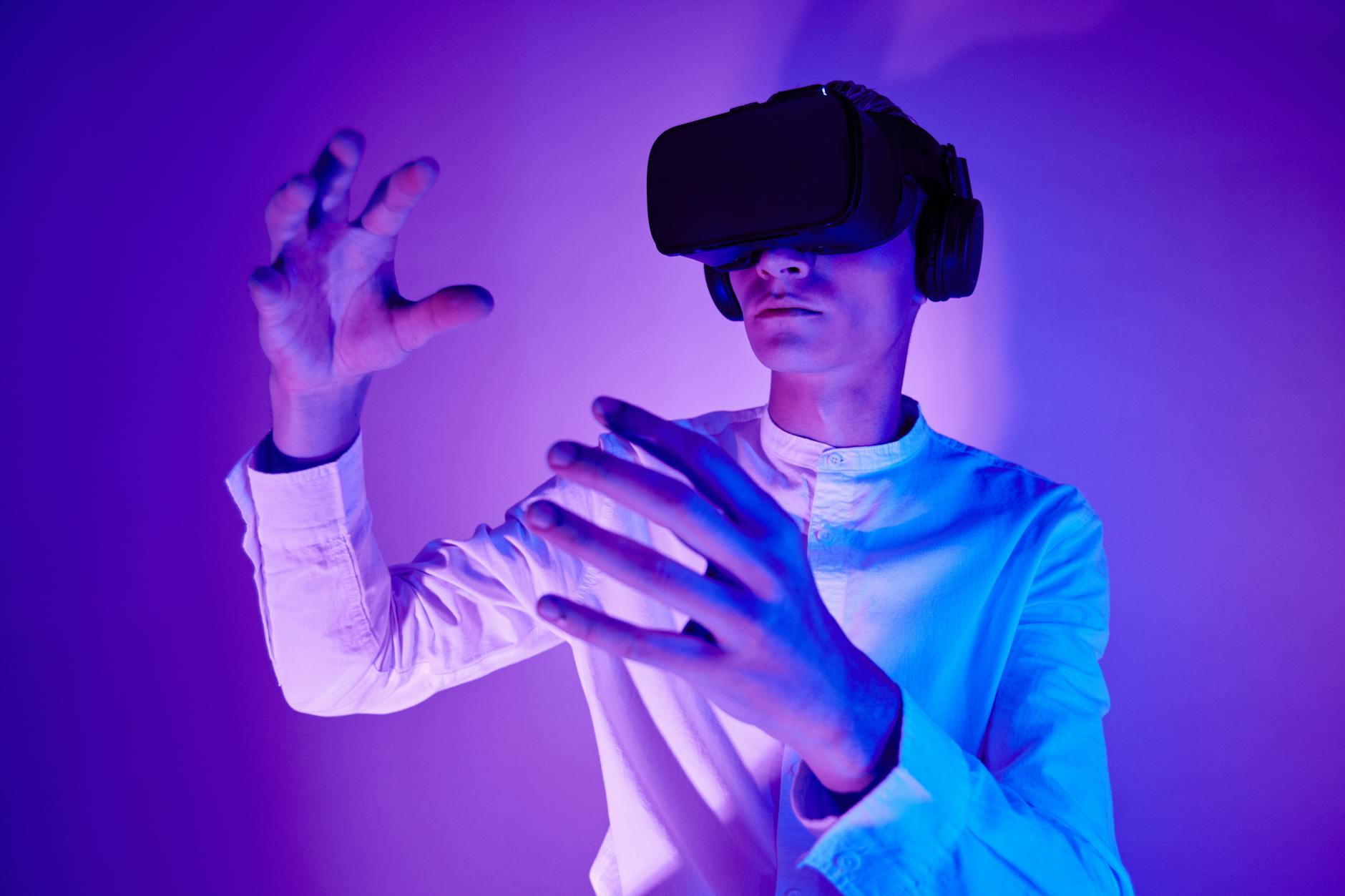
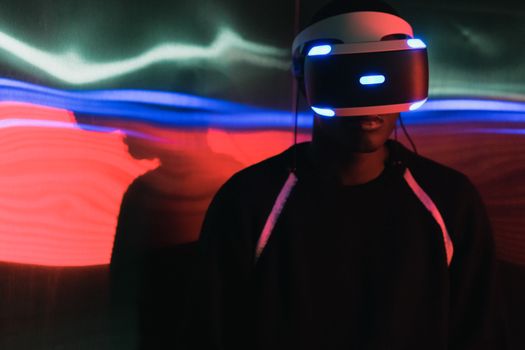 Photo: SHVETS production / Pexels
 Photo: Henri Mathieu-Saint-Laurent / Pexels
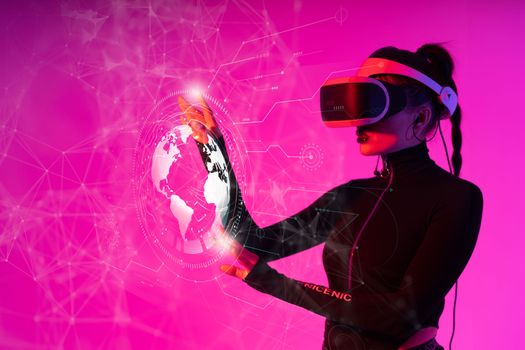 Photo: Atlantic Ambience / Pexels
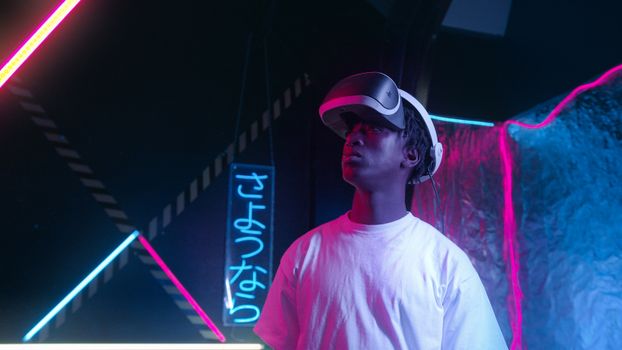 Photo: Artem Podrez / Pexels