✓ Autonomous vehicles (AVs) are categorized into 6 levels (0-5) based on automation capability, with Level 5 being fully autonomous.
✓ The AV market is projected to reach trillions of dollars globally by the next decade, driven by technological advancements and societal demand.
✓ Safety is a primary driver and a significant hurdle for widespread AV adoption, requiring rigorous testing and regulatory frameworks.
✓ Beyond personal cars, AV technology is set to revolutionize logistics, public transport, and urban planning.
How It Works
1
Perception Systems
AVs use a suite of sensors – cameras, LiDAR, radar, ultrasonic – to create a 360-degree real-time model of their surroundings. This data identifies other vehicles, pedestrians, traffic signs, and road conditions.
2
Localization and Mapping
High-definition (HD) maps, combined with GPS and sensor data, allow the vehicle to pinpoint its exact location on the road. This precision is crucial for safe navigation and lane keeping.
3
Prediction and Planning
Advanced AI algorithms process the perceived data to predict the behavior of other road users and plan the vehicle's trajectory. This includes decision-making for lane changes, turns, and obstacle avoidance.
4
Actuation and Control
Once a plan is established, the vehicle's control systems execute the commands by adjusting steering, acceleration, and braking. This ensures smooth and safe execution of the planned maneuvers.
The Technological Backbone: Sensors, AI, and Connectivity
Photo: Stephen Leonardi / Pexels
The journey towards the future of autonomous vehicles is fundamentally powered by an intricate web of advanced technologies. At its core are sophisticated perception systems, which serve as the 'eyes and ears' of the self-driving car. These systems typically comprise an array of sensors, each playing a critical role in gathering comprehensive environmental data. LiDAR (Light Detection and Ranging) sensors emit pulsed laser light to measure distances and create detailed 3D maps of the surroundings, offering unparalleled precision in object detection and mapping. Radar sensors, operating on radio waves, excel in detecting objects and their velocities, particularly in adverse weather conditions like fog or heavy rain where optical sensors might struggle. Cameras provide rich visual information, allowing AI to identify traffic signs, lane markings, pedestrians, and the color of traffic lights, mimicking human vision with increasing accuracy. Ultrasonic sensors, often used for short-range detection, assist with parking and low-speed maneuvers.
Beyond mere data collection, the true intelligence of autonomous vehicles lies in their Artificial Intelligence (AI) and machine learning algorithms. These algorithms process the massive influx of sensor data in real-time, fusing it to create a coherent and dynamic understanding of the driving environment. Deep learning models are trained on vast datasets of driving scenarios, enabling them to recognize patterns, predict the behavior of other road users, and make complex decisions under varying conditions. This AI is not static; it continuously learns and improves through over-the-air updates and fleet learning, where data from one vehicle can enhance the capabilities of the entire fleet. The ability of AI to adapt and evolve is paramount for navigating the unpredictable nature of real-world driving. For more on how AI is shaping industries, explore the impact of AI on modern technology.
Connectivity is the third pillar supporting the autonomous vehicle revolution. Vehicle-to-everything (V2X) communication, encompassing Vehicle-to-Vehicle (V2V), Vehicle-to-Infrastructure (V2I), and Vehicle-to-Network (V2N) communication, is crucial for enhancing safety and efficiency. V2V allows vehicles to share information directly with each other, such as speed, direction, and braking events, preventing accidents before they happen. V2I enables vehicles to communicate with smart city infrastructure like traffic lights and road sensors, optimizing traffic flow and providing early warnings about road hazards. V2N connects vehicles to cloud-based services, facilitating real-time map updates, traffic information, and remote diagnostics. The advent of 5G technology is poised to accelerate V2X capabilities, offering ultra-low latency and high bandwidth essential for the instantaneous data exchange required for truly cooperative autonomous driving. This interconnected ecosystem will not only make individual AVs safer but also contribute to a more intelligent and efficient transportation system as a whole. The seamless integration of these advanced technologies forms the bedrock upon which the future of autonomous vehicles will be built, promising a transformation far beyond just getting from point A to point B.
Societal and Economic Transformations: Beyond the Driver's Seat
Photo: Jonathan Cooper / Pexels
The widespread adoption of autonomous vehicles promises to instigate profound societal and economic transformations, extending far beyond the immediate convenience of hands-free driving. One of the most significant impacts is the potential for a drastic improvement in road safety. Human error is cited as a factor in over 90% of all traffic accidents. By removing the fallibility of human drivers – factors like fatigue, distraction, and impairment – AVs could dramatically reduce accident rates, saving countless lives and preventing injuries. This reduction in accidents would also lead to lower insurance premiums, decreased healthcare costs associated with traffic injuries, and less congestion caused by accident-related slowdowns. The very design of cities could change as well; with fewer accidents and more efficient traffic flow, the need for extensive parking infrastructure might diminish, freeing up valuable urban land for housing, green spaces, or other communal uses.
Economically, the ripple effects are immense. The transportation industry, particularly logistics and ride-sharing, stands to be revolutionized. Autonomous trucks could operate 24/7, unconstrained by driver hours-of-service regulations, leading to more efficient supply chains, faster delivery times, and reduced operational costs. This could translate to lower prices for goods and services across various sectors. The ride-sharing model would become even more cost-effective and accessible, potentially reducing individual car ownership, especially in urban areas. This shift could free up significant personal finances currently tied to vehicle purchase, maintenance, insurance, and fuel. However, this also raises questions about job displacement for professional drivers, necessitating strategic planning for workforce retraining and new economic opportunities. The emergence of a new 'mobility-as-a-service' paradigm could create entirely new business models and industries.
Furthermore, autonomous vehicles hold the promise of democratizing mobility. Individuals who currently face barriers to driving, such as the elderly, people with disabilities, or those who cannot afford or choose not to own a car, would gain unprecedented independence and access to transportation. This enhanced mobility could improve quality of life, increase participation in economic and social activities, and reduce isolation. Urban planning could evolve to prioritize pedestrians and cyclists, as traffic flow becomes more predictable and less dangerous. The 'time dividend' gained by passengers no longer needing to focus on driving could be used for work, leisure, or rest, fundamentally altering daily routines and potentially boosting productivity. This could lead to a re-evaluation of how we commute and interact with our vehicles, shifting them from mere transport devices to mobile personal spaces or offices. The long-term societal benefits, while still being fully understood, paint a picture of a future where transportation is safer, more efficient, and more inclusive for everyone.
Overcoming Hurdles: Regulation, Ethics, and Public Trust
Photo: Google DeepMind / Pexels
Despite the immense promise, the future of autonomous vehicles is not without significant hurdles that must be strategically addressed. Regulatory frameworks stand as one of the most complex challenges. Existing traffic laws and liability statutes were designed for human-driven vehicles, and their application to AVs is often ambiguous or inadequate. Governments worldwide are grappling with questions such as who is liable in an accident involving an autonomous vehicle – the owner, the manufacturer, the software provider, or the sensor supplier? Establishing consistent, harmonized regulations across different states and nations is crucial for widespread deployment and ensuring public safety. This also includes defining clear operational design domains (ODDs) for different levels of autonomy and certifying the safety performance of AVs under various conditions. Without clear legal guidelines, both manufacturers and consumers will hesitate to fully embrace the technology. For a broader look at tech regulation, see the evolving landscape of technology governance.
Ethical considerations present another deeply complex area. The 'trolley problem' is often invoked: in an unavoidable accident scenario, how should an autonomous vehicle be programmed to prioritize lives? Should it protect its occupants at all costs, or minimize overall harm, even if it means sacrificing its passengers? These are not hypothetical philosophical dilemmas but real-world programming decisions that AV developers face. Beyond immediate accident scenarios, ethical questions extend to issues of data privacy (how much data do AVs collect and who owns it?), algorithmic bias (could AI systems inadvertently favor certain demographics?), and equitable access (will AV technology exacerbate existing societal inequalities or bridge them?). Addressing these ethical quandaries requires open dialogue among technologists, ethicists, policymakers, and the public to establish a societal consensus on how these machines should behave.
Perhaps the most crucial hurdle is building and maintaining public trust. Incidents involving autonomous vehicles, even rare ones, are often sensationalized, eroding public confidence. A successful rollout hinges on demonstrating the undeniable safety and reliability of AVs over extended periods and diverse conditions. This requires transparent communication from manufacturers about their testing methodologies, safety protocols, and the limitations of current technology. Public education campaigns are vital to demystify AVs, explain their benefits, and address common misconceptions. Furthermore, a human-centric design approach, where users feel in control and understand how the vehicle operates, will be essential. Overcoming these hurdles – establishing robust regulations, navigating complex ethical landscapes, and earning public trust through proven safety and transparent communication – is paramount to unlocking the full potential of autonomous vehicles and ensuring their smooth integration into society. Without a concerted effort across these fronts, the transformative promise of AVs risks being delayed or even derailed.
The Road Ahead: Emerging Trends and Future Outlook
Photo: smart-me AG / Pexels
The future of autonomous vehicles is a dynamic landscape, constantly shaped by emerging trends and accelerating innovation. One significant trend is the increasing integration of AV technology into smart city ecosystems. Beyond simply driving autonomously, future AVs will be integral components of intelligent transportation systems, communicating seamlessly with smart traffic lights, parking structures, and public transit networks. This interconnectedness will enable optimized traffic flow, reduced congestion, and more efficient use of urban infrastructure. Imagine a city where autonomous shuttles dynamically adjust routes based on real-time demand, and personal AVs automatically find and navigate to the nearest available parking space, or even drop off passengers and then park themselves miles away to alleviate urban parking pressure. This holistic approach views AVs not just as individual vehicles but as nodes in a larger, intelligent urban network.
Another key trend is the specialization and diversification of autonomous applications. While passenger cars often capture the headlines, autonomous technology is rapidly expanding into other critical sectors. Autonomous delivery robots and drones are already making inroads in last-mile logistics, offering faster and more efficient package delivery. Autonomous agricultural machinery is revolutionizing farming, increasing precision and productivity. Autonomous mining vehicles are enhancing safety and efficiency in hazardous environments. The development of purpose-built autonomous vehicles for specific tasks, rather than retrofitting existing car designs, is becoming more prevalent, leading to optimized solutions for diverse industrial and commercial needs. This diversification underscores the broad applicability of AV technology beyond personal transportation.
The evolution towards higher levels of autonomy, particularly Level 4 (high automation) and Level 5 (full automation), continues to be a central focus. While Level 2 and 3 systems (requiring human supervision) are becoming common, the leap to truly driverless operation in all conditions presents engineering and regulatory challenges. However, continuous advancements in sensor fusion, AI processing power, and real-time mapping are steadily bringing these higher levels closer to reality. The concept of 'teleoperation,' where a human operator can remotely take control of an AV in complex or emergency situations, is also gaining traction as a safety net for early deployments of higher-level autonomy. This blend of remote human oversight with advanced automation offers a pragmatic pathway forward.
Finally, the future will likely see a shift in vehicle ownership models. The rise of 'mobility-as-a-service' (MaaS) platforms, where users subscribe to transportation rather than owning a vehicle, will be accelerated by AVs. This could lead to fewer privately owned cars, reduced parking demand, and a more efficient allocation of transportation resources. The interior design of vehicles will also evolve, transforming from driver-centric cockpits to versatile living or working spaces, as the need for human control diminishes. The road ahead for autonomous vehicles is one of continuous innovation, societal integration, and a fundamental rethinking of how we move and interact with our world. These emerging trends suggest a future where autonomous technology becomes an invisible, yet indispensable, part of our daily lives, reshaping cities, industries, and personal freedoms in profound ways.
Vehicle monitors environment, driver monitors system
Driver monitors environment and system
Driving Task
Vehicle handles all aspects
Vehicle handles most, driver takes over if needed
Driver responsible for steering, braking, accelerating
What Readers Say
★★★★★
"This article provided an incredibly thorough and balanced view of the future of autonomous vehicles. I particularly appreciated the breakdown of technological components and the realistic discussion of societal impacts. It really helped me understand the complexity beyond the hype."
Sarah Chen · Austin, TX
★★★★★
"As someone in the tech industry, I found the depth of explanation on AI and connectivity fascinating. The article didn't just scratch the surface but delved into the nuanced challenges and emerging trends. A truly premium read."
David Lee · Seattle, WA
★★★★★
"I was initially skeptical about self-driving cars, but this piece addressed my concerns directly, especially regarding regulations and ethics. It gave me a much clearer picture of the thoughtful approaches being taken to ensure safety and public trust."
Maria Rodriguez · Miami, FL
★★★★★
"A very informative article, well-researched and engaging. While it painted an exciting vision, I would have liked to see a bit more on specific timelines for widespread Level 4/5 adoption. Still, an excellent resource for understanding the field."
John Smith · Chicago, IL
★★★★★
"From a public policy perspective, the discussion on ethical dilemmas and regulatory hurdles was invaluable. It highlighted the critical conversations we need to have as a society to prepare for this transformative technology. Extremely helpful for my research."
Emily White · Denver, CO
Frequently Asked Questions
What are the different levels of autonomous driving?
Autonomous driving is categorized into six levels (0-5) by the SAE International. Level 0 is no automation, Level 1 is driver assistance, Level 2 offers partial automation, Level 3 is conditional automation (driver must be ready to take over), Level 4 is high automation (vehicle handles most situations, but only in certain areas), and Level 5 is full automation (vehicle can drive itself under all conditions).
Are autonomous vehicles safe?
The safety of autonomous vehicles is a paramount concern for developers and regulators. While current systems are still undergoing extensive testing, proponents argue that by eliminating human error, AVs have the potential to be significantly safer than human-driven cars in the long term. However, ensuring robust performance in all unforeseen circumstances remains a challenge.
How do self-driving cars 'see' the road?
Self-driving cars use a sophisticated combination of sensors to perceive their environment. These include cameras to detect objects and read signs, LiDAR for 3D mapping and distance measurement, radar for detecting objects and their speed, and ultrasonic sensors for close-range detection. This data is then processed by AI to create a real-time understanding of the surroundings.
What is the projected cost of autonomous vehicles?
Initially, fully autonomous vehicles are expected to be more expensive due to the advanced technology involved. However, as production scales and technology matures, costs are projected to decrease. The economic benefit may also shift from individual ownership to 'mobility-as-a-service' models, where consumers pay for rides rather than purchasing a vehicle outright, potentially reducing overall transportation expenses.
How will autonomous vehicles impact public transportation?
Autonomous vehicles are expected to significantly impact public transportation by enabling more efficient, flexible, and accessible services. Autonomous shuttles and buses could operate 24/7, adjusting routes dynamically to demand, reducing operational costs, and extending service to underserved areas. This could lead to a more integrated and responsive urban mobility network.
Who should be concerned about the future of autonomous vehicles?
Anyone involved in transportation, urban planning, logistics, insurance, or automotive manufacturing should be keenly aware of the future of autonomous vehicles. Consumers will also be directly impacted by changes in mobility options, safety, and personal vehicle ownership. Policymakers and ethicists must also engage to shape the regulatory and moral landscape.
What are the biggest risks associated with autonomous vehicles?
Key risks include technological failures (software bugs, sensor malfunctions), cybersecurity threats (hacking), ethical dilemmas in unavoidable accident scenarios, job displacement in the transportation sector, and the challenge of public acceptance and trust. Robust testing, regulation, and transparent communication are crucial to mitigating these risks.
What does the future hold for human drivers in an autonomous world?
The future likely involves a gradual transition. Initially, human drivers will continue to play a crucial role, potentially overseeing Level 3 systems or taking over in complex scenarios. As autonomy advances, driving may become a recreational activity rather than a necessity. New jobs related to AV maintenance, fleet management, and remote teleoperation will also emerge, shifting the workforce focus.
The future of autonomous vehicles is not just around the corner; it's already here, reshaping our world in profound ways. Dive deeper into this transformative technology and prepare for a new era of mobility. Explore the possibilities and challenges that lie ahead.

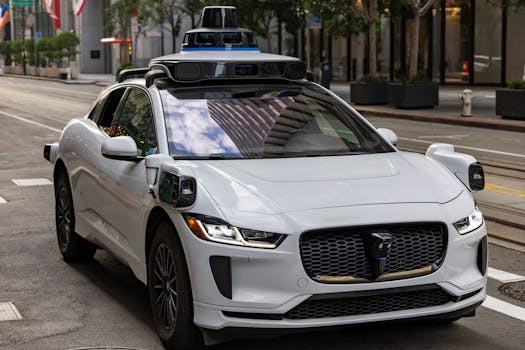 Photo: Stephen Leonardi / Pexels
 Photo: Jonathan Cooper / Pexels
 Photo: Google DeepMind / Pexels
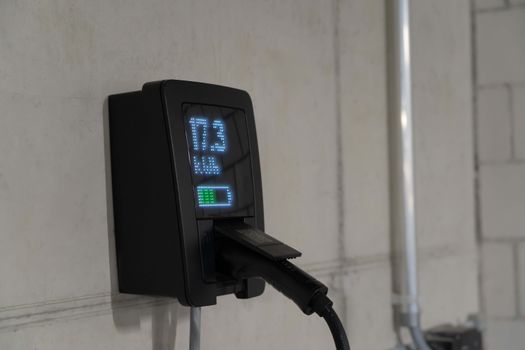 Photo: smart-me AG / Pexels