✓ Smart home security systems offer remote monitoring and control via smartphone apps.
✓ They integrate various devices like cameras, sensors, and smart locks for comprehensive protection.
✓ Professional monitoring services provide 24/7 emergency response, while self-monitoring offers cost savings.
✓ Installation options range from DIY to professional, impacting initial cost and complexity.
How It Works
1
Evaluate Your Home & Needs
Assess your home's size, vulnerable entry points, and specific security concerns. Consider if you need indoor, outdoor, or doorbell cameras.
2
Understand System Types
Differentiate between professionally installed/monitored systems and DIY self-monitored options. Each has distinct cost structures and levels of intervention.
3
Compare Features & Integration
Look for essential features like motion detection, two-way audio, and smart home platform compatibility. Ensure all components work seamlessly together.
4
Review Costs & Contracts
Analyze upfront equipment costs, monthly monitoring fees, and contract lengths. Factor in potential additional costs for cloud storage or premium features.
Understanding the Landscape of Smart Home Security Systems
Photo: Jessica Lewis 🦋 thepaintedsquare / Pexels
The world of smart home security has evolved dramatically, moving far beyond simple alarm systems. Today, when you compare smart home security systems, you're looking at sophisticated ecosystems designed to offer unparalleled protection and convenience. These systems leverage cutting-edge technology to provide homeowners with real-time insights, remote control, and proactive defense against intrusions, fires, floods, and other emergencies. At their core, smart home security systems integrate a variety of devices, including door and window sensors, motion detectors, smart cameras (indoor, outdoor, and doorbell), smart locks, and environmental sensors (smoke, carbon monoxide, flood). The true 'smart' aspect comes from their connectivity, typically via Wi-Fi, Z-Wave, or Zigbee, allowing all these components to communicate with a central hub and, critically, with your smartphone or other smart devices. This interconnectedness means you can arm or disarm your system from anywhere, view live camera feeds, receive instant alerts, and even interact with visitors at your front door, all from an intuitive mobile app. The primary benefit is peace of mind, knowing your property is under constant vigilance, whether you're at work, on vacation, or asleep.
One of the first distinctions to make when you compare smart home security systems is between professionally installed and monitored systems versus DIY (Do-It-Yourself) self-monitored options. Professionally installed systems, often offered by traditional security companies like ADT or Brinks Home, typically involve a technician setting up the equipment and connecting it to a central monitoring station. This station then dispatches emergency services (police, fire, medical) upon alarm activation. These systems usually come with long-term contracts and higher monthly fees but offer a hands-off approach and professional expertise. On the other hand, DIY systems, like those from SimpliSafe, Ring, or Arlo, are designed for easy user installation and often provide flexible monitoring options. You can choose to self-monitor, receiving alerts directly to your phone and deciding whether to contact emergency services yourself, or opt for a professional monitoring plan, which is usually more affordable and contract-free compared to traditional providers. The choice largely depends on your comfort level with technology, your budget, and your desire for professional intervention in an emergency. Each approach has its merits, and understanding these fundamental differences is crucial for an informed decision. Exploring smart home technology further can provide additional context on how these systems integrate into a broader connected living environment. The evolution of these systems also means they're becoming increasingly predictive, using AI and machine learning to differentiate between pets and intruders, or to learn your daily routines to identify unusual activity. This level of sophistication ensures fewer false alarms and more accurate threat detection, making them an indispensable part of modern home protection strategies. Furthermore, the integration with voice assistants like Amazon Alexa and Google Assistant allows for hands-free control, adding another layer of convenience.
Key Features to Compare in Smart Home Security Systems
Photo: Giant Asparagus / Pexels
When you delve deeper to compare smart home security systems, a detailed examination of their features is paramount. Not all systems are created equal, and what one offers as standard, another might provide as an optional upgrade. The core components usually include a central hub (or base station), door/window sensors, motion detectors, and often an indoor camera. However, the real value often lies in advanced features and the ecosystem's flexibility.
**Cameras are a cornerstone of modern security.** Look for systems that offer a range of camera types: indoor cameras for monitoring pets or children, outdoor cameras with weatherproofing and night vision for perimeter surveillance, and doorbell cameras with two-way audio and motion-activated recording to see and speak to visitors. Important camera features include video resolution (1080p HD is standard, 4K is emerging), field of view, local vs. cloud storage options for recorded footage, and advanced analytics like person detection or package delivery alerts. Some systems even offer pan and tilt capabilities for broader coverage.
**Connectivity and Integration:** A truly smart system should integrate seamlessly with other smart home devices. Does it work with Z-Wave or Zigbee devices for broader compatibility? Can it connect to popular smart home platforms like Amazon Alexa, Google Assistant, Apple HomeKit, or Samsung SmartThings? This integration allows for powerful automation – for example, your lights could turn on automatically if motion is detected after dark, or your smart thermostat could adjust if a window is left open. The more robust the integration, the more cohesive and effective your smart home ecosystem will be.
**Monitoring Options:** Beyond the initial choice of professional vs. DIY, explore the nuances of each. Professional monitoring plans vary in cost, contract length, and response times. Some offer cellular backup, ensuring your system remains connected even if your internet goes down – a crucial feature for reliability. For self-monitoring, consider the quality of the mobile app, the speed of alerts, and whether the system offers local siren capabilities to deter intruders.
**Environmental Monitoring:** Modern smart home security systems often extend beyond just intrusion detection. Many offer sensors for smoke, carbon monoxide, and water leaks. Integrating these into your security system means you receive alerts directly to your phone, and if professionally monitored, emergency services can be dispatched for these threats as well. This holistic approach provides a comprehensive safety net for your home and family.
**Power and Backup:** Consider how the system is powered. Most components are battery-powered, but the base station often requires a power outlet. Look for systems with battery backup for the base station and cellular backup for communication, ensuring the system remains operational during power outages or internet disruptions. This redundancy is vital for continuous protection. Each of these features plays a critical role in the overall effectiveness and user experience of a smart home security system, making a thorough comparison indispensable.
Top Contenders: A Deep Dive into Popular Smart Security Brands
Photo: Pixabay / Pexels
To truly compare smart home security systems, it's essential to examine the leading brands and what makes each stand out. The market is diverse, catering to various needs, budgets, and technical proficiencies.
**SimpliSafe** has carved a niche for itself as a popular DIY option, known for its ease of installation and no-contract professional monitoring plans. Their systems are modular, allowing users to start with a basic package and add components like entry sensors, motion detectors, glass break sensors, and a variety of cameras (indoor, outdoor, doorbell) as needed. SimpliSafe's strength lies in its simplicity and reliability, with robust cellular backup and a 24/7 professional monitoring service that doesn't tie you into long-term agreements. It's an excellent choice for renters or those who prefer flexibility. The mobile app is user-friendly, providing remote control and alerts. While it integrates with Alexa and Google Assistant, its broader smart home integration is somewhat limited compared to some competitors.
**Ring Alarm**, owned by Amazon, is another formidable DIY contender, particularly appealing to those already invested in the Ring ecosystem (doorbell cameras, floodlight cams). Ring Alarm systems offer a straightforward setup and a range of sensors, including contact sensors, motion detectors, and flood/freeze sensors. Their professional monitoring plan, Ring Protect Plus, is competitively priced and includes cellular backup, extended warranties, and video recording for all Ring cameras. The tight integration with Ring's extensive camera lineup and Alexa makes it a powerful and convenient choice for comprehensive video surveillance and smart home control. However, some users express privacy concerns due to Amazon's data policies.
**Arlo** stands out primarily for its high-quality wireless cameras, offering some of the best video resolution, night vision, and battery life in the industry. While Arlo offers a comprehensive security system with a hub and sensors, its cameras are often purchased as standalone units or integrated into other smart home ecosystems. Arlo's strengths are its wire-free installation, advanced AI detection (person, vehicle, animal, package), and cloud storage options. Their subscription plans, Arlo Secure, unlock features like 4K recording, cloud storage, and professional monitoring. It's ideal for those prioritizing superior video surveillance and flexibility.
**ADT** and **Vivint** represent the more traditional, professionally installed and monitored segment of the market. ADT, a long-standing name, offers a wide range of customizable systems with professional installation and 24/7 monitoring. They provide robust equipment, including smart cameras, door/window sensors, motion detectors, and smart home automation devices. ADT systems typically come with multi-year contracts and higher monthly fees but offer unparalleled reliability and brand trust. Vivint offers a more premium, high-tech experience with sleek hardware, advanced smart home integration, and professional installation. Their systems often feature smart thermostats, smart lighting, and robust camera options, all managed through a sophisticated touchscreen panel and mobile app. Vivint's pricing is generally higher, reflecting its premium offerings and extensive smart home capabilities. Choosing between these brands often comes down to your preference for DIY vs. professional service, your budget, and the level of smart home integration you desire. Understanding smart home ecosystems can help you decide which brand best fits your existing or planned setup.
Avoiding Common Pitfalls and Maximizing Your Smart Security Investment
Photo: Pavel Danilyuk / Pexels
Navigating the options when you compare smart home security systems can be daunting, and it's easy to fall into common traps. Being aware of these pitfalls can save you money, frustration, and ensure you get the most effective protection for your home.
**1. Overlooking Connectivity Requirements:** Many smart security systems rely heavily on your home's Wi-Fi network. A weak or unreliable Wi-Fi signal can lead to dropped connections, missed alerts, and delayed video feeds. Before investing, assess your Wi-Fi coverage, especially in areas where you plan to place cameras or sensors. Consider Wi-Fi extenders or a mesh Wi-Fi system if your home has dead zones. For professional monitoring, cellular backup is a must-have, ensuring your system communicates with the monitoring station even if your internet is down or cut.
**2. Ignoring the Total Cost of Ownership:** The initial equipment price is just one part of the equation. Many systems, especially those with advanced features or cloud storage for video, require monthly or annual subscription fees. These fees can vary significantly and often unlock crucial functionalities like professional monitoring, extended warranties, or advanced AI detection. Always factor in these ongoing costs over the lifespan of the system to get a true picture of the investment.
**3. Neglecting Scalability and Future-Proofing:** Your security needs might evolve. You might move to a larger home, or simply want to add more cameras or smart devices later. Choose a system that is modular and expandable, allowing you to easily add components without having to replace the entire setup. Check for broad smart home compatibility (e.g., Z-Wave, Zigbee, Alexa, Google Assistant) to ensure your system can integrate with future smart devices.
**4. Underestimating DIY Installation Complexity:** While many DIY systems are designed for easy setup, some users might find certain aspects challenging, especially with camera placement, wiring (for wired cameras), or network configuration. Be realistic about your technical comfort level. If you're not confident, factor in the cost of professional installation, even for DIY-friendly systems, or opt for a professionally installed solution from the start.
**5. Skipping Regular Maintenance and Testing:** Smart security systems are not 'set it and forget it.' Regularly check battery levels in sensors, clean camera lenses, and periodically test your system's alarm functionality. This ensures all components are working correctly and that emergency alerts are being sent and received as expected. Most systems have a 'test mode' that allows you to do this without accidentally dispatching emergency services.
**6. Disregarding Privacy Concerns:** With cameras and microphones throughout your home, privacy is a significant consideration. Understand how your chosen system handles your data, where video footage is stored, and who has access to it. Read the privacy policies carefully and ensure you're comfortable with the terms.
By diligently comparing smart home security systems with these potential pitfalls in mind, you can make a more informed decision and create a robust, reliable, and future-proof security solution for your home.
Comparison
Feature
SimpliSafe
Ring Alarm
Arlo
ADT (Blue by ADT)
Installation Type
DIY
DIY
DIY (Cameras)
DIY/Pro (Blue DIY)
Monitoring Options
Self/Pro (No Contract)
Self/Pro (No Contract)
Self/Pro (Arlo Secure)
Self/Pro (No Contract)
Avg. Monthly Fee (Pro Monitoring)
$17.99 - $27.99
$10 - $20
$9.99 - $14.99
$19.99 - $29.99
Smart Home Integration
Alexa, Google Assistant
Alexa, Google Assistant (limited)
Alexa, Google Assistant, HomeKit
Alexa, Google Assistant
Cameras Offered
Indoor, Outdoor, Doorbell
Indoor, Outdoor, Doorbell
Extensive (Indoor, Outdoor, Pro)
Indoor, Outdoor, Doorbell
Cellular Backup
✓
✓
✓ (with plan)
✓
Contract Required
✗
✗
✗
✗ (Blue DIY)
What Readers Say
★★★★★
"Comparing smart home security systems was overwhelming until I found a guide that broke down SimpliSafe's features. The DIY installation was a breeze, and I love the flexibility of their no-contract professional monitoring. My home feels so much safer now."
Sarah J. · Austin, TX
★★★★★
"As an existing Ring user, comparing smart home security systems led me straight to the Ring Alarm. The integration with my doorbell and floodlight cameras is seamless, and the Ring Protect Plus plan is incredibly affordable for what you get. Highly recommend for Amazon ecosystem users."
Mark D. · Miami, FL
★★★★★
"After a break-in attempt, I decided to compare smart home security systems seriously. I chose Arlo for their superior camera quality, and it's been a game-changer. The 4K video and advanced person detection helped identify the culprit, resulting in an arrest."
Jessica L. · Denver, CO
★★★★★
"I spent weeks trying to compare smart home security systems. While I appreciate the comprehensive nature of Vivint, their higher cost and long contract were a deterrent. I ultimately went with a hybrid DIY system, sacrificing some features for better budget control, but I still believe Vivint offers a top-tier service for those who can afford it."
David P. · Chicago, IL
★★★★★
"Living in an apartment, I needed a security system that was easy to install and move. Comparing smart home security systems, SimpliSafe was the clear winner. The wireless sensors and portable base station made it perfect for my rental, giving me peace of mind without permanent fixtures."
Emily R. · Seattle, WA
Frequently Asked Questions
What's the most important factor when I compare smart home security systems?
The most important factor is aligning the system with your specific needs and budget. Consider your home's size, desired level of monitoring (self vs. professional), integration with existing smart devices, and the total cost of ownership including subscription fees. Prioritize features that address your primary security concerns.
Are DIY smart home security systems as reliable as professionally installed ones?
DIY smart home security systems can be very reliable, often offering similar technology and monitoring options as professional systems. Their reliability largely depends on correct installation, a stable internet connection, and often, a professional monitoring plan for cellular backup. Professional systems offer hands-off installation and usually robust, redundant communication.
How do I choose between self-monitoring and professional monitoring?
Self-monitoring is more budget-friendly and gives you direct control, but requires you to respond to alerts and contact emergency services yourself. Professional monitoring, while incurring a monthly fee, ensures 24/7 vigilance and automatic dispatch of police, fire, or medical services, offering a higher level of peace of mind and faster response times.
What is the typical cost to compare smart home security systems and get one installed?
The cost varies widely. DIY systems can start from $150-$500 for equipment, with optional professional monitoring fees ranging from $10-$30/month. Professionally installed systems often have equipment costs ranging from $500-$1500+, sometimes rolled into higher monthly fees of $30-$60+, usually with multi-year contracts. Always factor in equipment, installation, and ongoing monitoring costs.
How do smart home security systems compare to traditional alarm systems?
Smart home security systems offer significantly more features than traditional alarm systems. They provide remote access and control via apps, integrate with other smart home devices for automation, offer live video streaming, and often include environmental monitoring. Traditional systems are typically limited to basic intrusion detection with professional monitoring, lacking the 'smart' convenience and proactive features.
Who should consider investing in smart home security systems?
Anyone looking to enhance their home's safety, gain remote visibility, and integrate security with a broader smart home ecosystem should consider these systems. They are ideal for busy professionals, families with children or pets, frequent travelers, or simply those who desire greater control and peace of mind over their property's security.
Are smart home security systems vulnerable to hacking?
While no system is entirely immune, reputable smart home security systems employ strong encryption and security protocols to protect against hacking. Using strong, unique passwords, enabling two-factor authentication, and keeping firmware updated are crucial steps users can take to minimize risks. Cellular backup also helps prevent system disablement if Wi-Fi is compromised.
What are the future trends in smart home security?
Future trends include greater integration of AI and machine learning for predictive analysis and fewer false alarms, advanced biometric authentication (e.g., facial recognition), drone surveillance for perimeter security, and even more seamless integration with broader smart city infrastructures for enhanced community safety. Expect systems to become even more intuitive and proactive.
Now that you have a comprehensive understanding of how to compare smart home security systems, it's time to take the next step. Evaluate your unique needs, explore the top contenders, and choose the system that will bring you and your family ultimate peace of mind. Your secure smart home awaits!

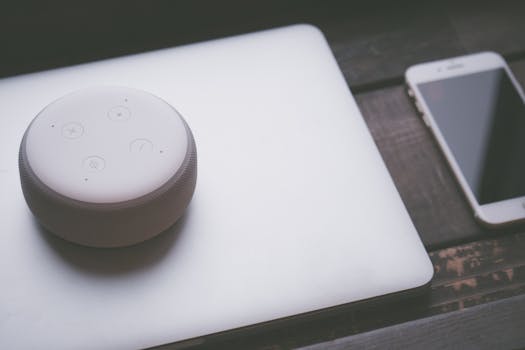 Photo: Jessica Lewis 🦋 thepaintedsquare / Pexels
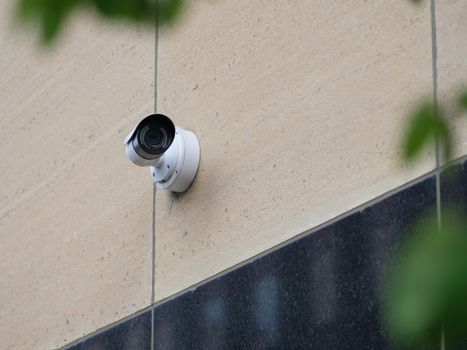 Photo: Giant Asparagus / Pexels
 Photo: Pixabay / Pexels
 Photo: Pavel Danilyuk / Pexels