Compare iPhone 15 vs Samsung Galaxy S24: Which Flagship Reigns?
compare iPhone 15 vs Samsung Galaxy S24

Compare iPhone 15 vs Samsung Galaxy S24: Which Flagship Reigns?

Uncover the definitive differences between Apple's and Samsung's latest standard flagships to make an informed purchase decision.

Read the Full Comparison

Key Takeaways

  • ✓ The iPhone 15 introduces the Dynamic Island and USB-C for the first time on a standard model.
  • ✓ The Samsung Galaxy S24 heavily emphasizes AI features with 'Galaxy AI'.
  • ✓ Both phones offer exceptional camera systems, but with different processing philosophies.
  • ✓ Performance is top-tier on both, with Apple's A16 Bionic and Samsung's Snapdragon 8 Gen 3 (or Exynos 2400 in some regions).
  • ✓ Battery life and software support are strong suits for both devices.

How It Works

1
Understand Your Priorities

Before diving into specs, consider what matters most to you: camera quality, battery life, operating system, or gaming performance. This foundational self-assessment will guide your decision.

2
Explore Key Specifications

We'll break down crucial aspects like processors, displays, camera modules, and battery capacities. Understanding these core components is essential for a comprehensive comparison.

3
Evaluate Software Ecosystems

Beyond hardware, the user experience is heavily influenced by the operating system and its ecosystem. We'll examine iOS 17 and One UI 6, including their unique features and integration with other devices.

4
Consider Value and Longevity

Finally, assess the long-term value, including software update commitments, resale value, and overall durability. This holistic view helps you choose a device that serves you well for years to come.

Design and Display: A Tale of Two Philosophies
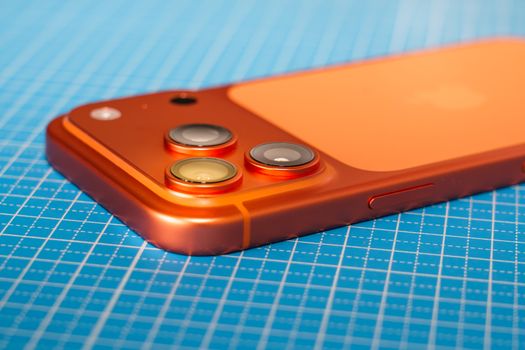
Modern smartphone with a triple camera on a vibrant grid surface, showcasing advanced technology. Photo: Jakub Zerdzicki / Pexels
When you first pick up either the iPhone 15 or the Samsung Galaxy S24, the immediate impression is one of premium craftsmanship. Both devices exude quality, yet their design philosophies diverge significantly. Apple’s iPhone 15 maintains the iconic flat-edge design, now with subtly contoured edges that make it more comfortable to hold than its predecessors. The aerospace-grade aluminum frame feels robust, and the color-infused glass back adds a touch of sophistication while also being more durable. The Dynamic Island, previously exclusive to Pro models, makes its debut on the standard iPhone 15, transforming the notch into a dynamic, interactive notification and activity hub. This feature alone can be a significant draw for users looking for a fresh iOS experience. The display is a 6.1-inch Super Retina XDR OLED, offering vibrant colors, deep blacks, and excellent brightness for typical use. However, it still retains a 60Hz refresh rate, a point of contention for some who expect a smoother scrolling experience at this price point. The Ceramic Shield front cover provides industry-leading drop protection, ensuring peace of mind for accidental tumbles. Learn more about smartphone display technologies. On the other hand, the Samsung Galaxy S24 embraces a more refined, symmetrical design. It also features flat edges, but with a slightly more rounded transition to the display, which can feel less sharp in hand. The Armor Aluminum 2.0 frame is incredibly resilient, and the matte finish on the back glass resists fingerprints beautifully. Samsung’s display, a 6.2-inch Dynamic AMOLED 2X panel, is a true standout. It boasts a variable refresh rate from 1Hz to 120Hz, providing incredibly smooth scrolling, gaming, and overall UI navigation. The peak brightness is also significantly higher, making it more readable in direct sunlight. Samsung also employs Gorilla Glass Victus 2 for display protection, which is highly durable. The bezels on the S24 are noticeably thinner and more uniform, contributing to a more immersive viewing experience. Both phones are IP68 rated for dust and water resistance, meaning they can withstand submersion in up to 1.5 meters of water for 30 minutes, a standard feature for flagship devices that ensures everyday resilience against the elements. The choice between these two largely comes down to personal preference for industrial design and whether a high refresh rate display is a non-negotiable feature for your daily use. Apple's Dynamic Island offers unique software integration, while Samsung's display offers superior visual fluidity. Each approach has its merits, catering to different user priorities in aesthetics and functionality.

Performance and Battery Life: Powerhouses Under the Hood
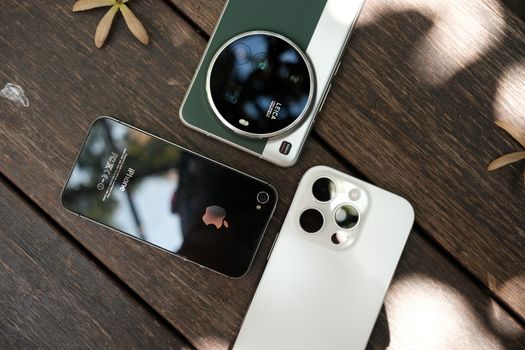
Overhead composition of multiple smartphones on a wooden surface, highlighting contemporary technology. Photo: Phong Thanh / Pexels
Underneath their sleek exteriors, both the iPhone 15 and the Samsung Galaxy S24 house formidable processing power, ensuring a smooth and responsive user experience across the board. The iPhone 15 is powered by Apple's A16 Bionic chip, the same silicon that graced the iPhone 14 Pro models. This 4nm chip features a 6-core CPU (2 performance and 4 efficiency cores) and a 5-core GPU, along with a 16-core Neural Engine. In practical terms, this translates to lightning-fast app launches, seamless multitasking, and exceptional gaming performance. Even graphically intensive games run without a hitch, maintaining high frame rates. The A16 Bionic is incredibly efficient, contributing significantly to the iPhone 15's impressive battery life. Apple typically doesn't disclose RAM specifications for its iPhones, but the optimization between hardware and software ensures that 6GB of RAM is more than sufficient for iOS's demands. The move to USB-C on the iPhone 15 also brings a new level of universal compatibility for charging and data transfer, a long-awaited change for many. The Samsung Galaxy S24, on the other hand, comes equipped with either the Qualcomm Snapdragon 8 Gen 3 for Galaxy (in North America, China, and some other regions) or Samsung's own Exynos 2400 chip (in Europe and other markets). Both chipsets are cutting-edge, built on a 4nm process, and designed to deliver top-tier performance. The Snapdragon 8 Gen 3 for Galaxy is a specially optimized version of Qualcomm's flagship chip, boasting higher clock speeds for its prime core, leading to superior CPU and GPU performance over the standard version. It also features an enhanced NPU (Neural Processing Unit) to handle the new Galaxy AI features with remarkable efficiency. The Exynos 2400, while having a different core configuration, also delivers excellent performance, especially in graphics and AI processing. The Galaxy S24 comes with 8GB of RAM, providing ample headroom for Android's more resource-intensive applications and extensive multitasking. Both chipsets are designed to handle AI workloads, but Samsung's integration of 'Galaxy AI' is a more central part of its user experience, offering features like Live Translate, Chat Assist, and Circle to Search directly on the device. When it comes to battery life, both phones offer excellent endurance. The iPhone 15 typically delivers a full day of heavy use, with many users reporting up to 8-10 hours of screen-on time. The Galaxy S24, with its 4000mAh battery, also provides strong all-day performance, often matching or slightly exceeding the iPhone 15 depending on usage and whether the 120Hz display is consistently active. Charging speeds are also comparable, with both supporting fast charging that can get them to around 50% in about 30 minutes, alongside wireless charging capabilities. The choice in performance often comes down to ecosystem preference and whether Samsung's AI suite holds particular appeal. Both are absolute powerhouses, capable of handling anything you throw at them.

Camera Capabilities and Software Ecosystems

The camera systems on both the iPhone 15 and the Samsung Galaxy S24 are among the best in the business, consistently delivering stunning results in various lighting conditions. However, their approaches to image processing and overall feature sets differ, catering to slightly different photographic styles. The iPhone 15 features a dual-camera system: a new 48MP main sensor (with pixel binning to output 24MP photos by default) and a 12MP ultrawide lens. The 48MP main sensor allows for 2x optical quality zoom by cropping into the sensor, effectively giving users a third focal length without a dedicated telephoto lens. Apple's computational photography, including Photonic Engine and Deep Fusion, excels at capturing natural-looking colors, excellent detail, and superb dynamic range. Portrait mode has been enhanced, allowing users to shift focus after the photo is taken, and automatically detecting subjects for portrait effects. Video recording remains a strong suit for Apple, with cinematic mode and action mode providing professional-grade stabilization and depth effects. The front-facing 12MP TrueDepth camera also delivers excellent selfies and supports Face ID. Samsung's Galaxy S24 also sports a versatile triple-camera setup: a 50MP main sensor, a 12MP ultrawide, and a 10MP telephoto lens with 3x optical zoom. The inclusion of a dedicated telephoto lens gives the S24 a distinct advantage for zoom photography, offering true optical magnification that the standard iPhone 15 lacks. Samsung's cameras are known for their vibrant, punchy colors and impressive detail, often making photos 'pop' more directly out of the camera. Low-light performance has seen significant improvements, with Nightography enhancing clarity and brightness in challenging conditions. The S24 also benefits from advanced AI features, such as AI-powered editing suggestions, object removal, and generative fill for expanding backgrounds, making it easier to achieve professional-looking results directly on the phone. The 12MP front camera also provides high-quality selfies with good detail and dynamic range. For those interested in mobile photography, the choice often comes down to Apple's natural rendering versus Samsung's more vivid output and dedicated zoom capabilities. Beyond hardware, the software ecosystems are a critical differentiator. iOS 17 on the iPhone 15 offers a highly intuitive, secure, and integrated experience. Its strength lies in its seamless integration across Apple devices (Mac, iPad, Apple Watch, AirPods), robust privacy features, and a vast ecosystem of high-quality apps. The user interface is clean and consistent, making it easy for anyone to pick up and use. Features like AirDrop, iMessage, and FaceTime are deeply integrated and provide a cohesive communication experience. Samsung's One UI 6, built on Android 14, provides unparalleled customization options, allowing users to tailor almost every aspect of their phone's appearance and functionality. One UI is known for its extensive features, including multi-window multitasking, DeX desktop experience, and a wide array of settings. The new 'Galaxy AI' features on the S24 are a significant addition, offering practical tools like Live Translate during calls, summarizing notes, and advanced photo editing with generative AI. While both operating systems are mature and feature-rich, iOS prioritizes simplicity and integration, while Android with One UI emphasizes flexibility and advanced user control, now bolstered by innovative AI capabilities. Your preference for one over the other often dictates which phone is a better fit for your overall digital lifestyle.

Value, Longevity, and Who Should Buy Which

When investing in a flagship smartphone, considering its long-term value, software support, and overall durability is paramount. Both the iPhone 15 and the Samsung Galaxy S24 are built to last, but their value propositions can differ based on your priorities. Apple is renowned for its exceptional software support, typically providing 5-7 years or even more of iOS updates for its devices. This commitment ensures that an iPhone 15 purchased today will receive critical security patches and new features for many years, maintaining its relevance and functionality. Apple devices also tend to hold their resale value remarkably well, often fetching higher prices in the used market compared to their Android counterparts. This factor can significantly reduce the total cost of ownership over time. The iPhone 15 is an excellent choice for users who are deeply embedded in the Apple ecosystem, appreciate the simplicity and security of iOS, prioritize consistent software updates, and value strong resale potential. It's also ideal for those who prefer natural-looking photos and best-in-class video recording. Samsung has significantly stepped up its software support game, promising 7 years of OS updates and security patches for the Galaxy S24 series. This brings it on par with, and in some cases even surpasses, Apple's update policy, marking a major win for Android users. This extended support ensures that the Galaxy S24 will remain current and secure for a substantial period, making it a wise long-term investment. While Samsung phones historically haven't matched Apple's resale values, this extended software commitment could improve that trend. The Galaxy S24 is the perfect device for Android enthusiasts who crave customization, appreciate cutting-edge display technology (120Hz refresh rate), and desire a versatile camera system with a dedicated telephoto lens. It's also the clear choice for early adopters of AI technology, with its comprehensive suite of Galaxy AI features offering unique productivity and creative tools. For users who enjoy tinkering with their phone's settings, prefer a more open ecosystem, and benefit from advanced multitasking capabilities like DeX, the S24 presents a compelling package. Ultimately, both phones represent the pinnacle of current smartphone technology in their respective ecosystems. The decision boils down to your personal preferences for operating system, specific features like camera zoom or AI integration, and how deeply you are invested in either Apple's or Samsung's broader product families. There's no objectively 'better' phone; only the one that aligns more closely with your individual needs and usage patterns. Consider what you use your phone for most, and which ecosystem best supports those activities.

Comparison

FeatureiPhone 15Samsung Galaxy S24
Display6.1" Super Retina XDR OLED (60Hz)6.2" Dynamic AMOLED 2X (1-120Hz)
ProcessorA16 BionicSnapdragon 8 Gen 3 for Galaxy / Exynos 2400
Main Camera48MP (f/1.6, OIS)50MP (f/1.8, OIS)
Zoom Capability2x optical quality crop3x optical telephoto
PortUSB-CUSB-C
AI FeaturesSiri, iOS Smart FeaturesGalaxy AI (Live Translate, Circle to Search, etc.)
Software Support5-7+ years (iOS)7 years (Android & Security)
DesignFlat edges, Dynamic IslandFlat edges, thinner bezels

What Readers Say

"I was torn between the two, but after comparing iPhone 15 vs Samsung Galaxy S24, the iPhone's camera for video and its ecosystem won me over. The Dynamic Island is a cool addition I didn't realize I needed."

Sarah J. · Austin, TX

"The Galaxy S24's 120Hz display and the new AI features, especially Circle to Search, made my decision easy. It feels incredibly fast and smooth, and the camera is fantastic for stills."

Mark D. · Seattle, WA

"Switching from an old Android, the iPhone 15 feels premium and intuitive. The photos are stunning, and I love how seamlessly it works with my iPad. No regrets with this upgrade."

Emily R. · Miami, FL

"The S24 is a powerhouse, and the 7 years of updates is a huge plus. My only minor gripe is sometimes the battery could be a little better with heavy AI use, but it still gets me through the day."

David L. · Chicago, IL

"As a photographer, the dedicated telephoto lens on the Galaxy S24 was a game-changer for me. Comparing iPhone 15 vs Samsung Galaxy S24, the zoom capabilities and vibrant colors of the S24's camera are unmatched for my needs."

Jessica M. · Denver, CO

Frequently Asked Questions

What are the main differences when you compare iPhone 15 vs Samsung Galaxy S24?

The iPhone 15 offers the A16 Bionic chip, Dynamic Island, and a 60Hz OLED display, while the Galaxy S24 features the Snapdragon 8 Gen 3/Exynos 2400, a 120Hz AMOLED display, and a suite of Galaxy AI features. Camera setups and software ecosystems are also key differentiators, with Apple focusing on natural processing and integration, and Samsung offering vibrant colors, a dedicated telephoto lens, and extensive customization.

Is the 120Hz display on the Galaxy S24 a significant advantage over the iPhone 15's 60Hz?

For many users, yes. A 120Hz refresh rate provides a noticeably smoother scrolling experience, more fluid animations, and a more responsive feel, especially during gaming. While the iPhone 15's 60Hz display is still excellent, the difference in fluidity is one of the most immediate and impactful distinctions for display-conscious users.

Which phone has a better camera for zoom photography?

The Samsung Galaxy S24 has a dedicated 10MP telephoto lens with 3x optical zoom, giving it a clear advantage for true optical zoom photography. The iPhone 15 offers a 2x optical quality zoom by cropping into its 48MP main sensor, which is good, but not a true telephoto lens.

Which phone offers better long-term value and software support?

Both phones now offer excellent long-term value. Apple has a strong track record of 5-7+ years of iOS updates, and iPhones generally hold higher resale value. Samsung has recently committed to 7 years of OS and security updates for the Galaxy S24, making it equally competitive in terms of longevity. Your preferred ecosystem might then dictate which offers better 'value' to you.

How do the new AI features on the Galaxy S24 compare to iPhone 15's capabilities?

The Galaxy S24's 'Galaxy AI' suite is a more prominent and integrated feature set, offering real-time translation during calls, advanced photo editing with generative fill, and Circle to Search. The iPhone 15 relies on Siri and other built-in iOS smart features, which are less overtly 'AI-branded' but still offer powerful computational capabilities behind the scenes. If cutting-edge, user-facing AI tools are a priority, the S24 has an edge.

Who should consider buying the iPhone 15?

The iPhone 15 is ideal for users who are already in the Apple ecosystem, prioritize ease of use, strong privacy, industry-leading video recording, consistent software updates, and a phone that holds its resale value well. It's also a great choice for those who prefer the iOS interface and integrated services.

Are there any security concerns with either device?

Both the iPhone 15 and Samsung Galaxy S24 offer robust security features. Apple's iOS is renowned for its strong privacy and security protocols, while Samsung's Knox security platform on the S24 provides multi-layered protection. Both devices receive regular security updates, ensuring they remain protected against emerging threats. Users should always practice good digital hygiene regardless of their device.

What are the future trends in smartphone technology that might influence these comparisons?

Future trends include further advancements in on-device AI, potentially leading to more personalized and proactive user experiences. Improvements in battery technology, foldable displays becoming more mainstream, and continued refinement of camera sensors and computational photography are also expected. Both Apple and Samsung are at the forefront of these innovations, ensuring their future devices will continue to push boundaries.

Choosing between the iPhone 15 and the Samsung Galaxy S24 is a decision that impacts your daily digital life. By thoroughly comparing iPhone 15 vs Samsung Galaxy S24 across design, performance, camera, and software, you can confidently select the flagship that perfectly aligns with your individual needs and preferences. Make an informed choice and enjoy your new smartphone experience.

Topics: compare iPhone 15 vs Samsung Galaxy S24iPhone 15 featuresGalaxy S24 specsbest flagship phonesmartphone comparison
Leo List
Brampton weed
Adultwork