How to Buy a Drone with Camera for Beginners: Your Ultimate Guide
buy drone with camera for beginners

How to Buy a Drone with Camera for Beginners: Your Ultimate Guide

Unleash your inner aerial photographer with the perfect beginner-friendly drone, capturing stunning views with ease.

Start Your Aerial Journey

Key Takeaways

  • ✓ Beginner drones prioritize ease of use, stability, and durability.
  • ✓ Camera quality for beginners typically ranges from 720p to 4K.
  • ✓ Budget-friendly options are abundant, often under $300.
  • ✓ GPS, altitude hold, and one-key return are crucial features for new pilots.

How It Works

1
Understand Your Needs

Before diving into models, consider your primary use: casual fun, basic photography, or learning to fly. This helps narrow down features like camera resolution and flight time.

2
Identify Key Beginner Features

Look for drones with GPS stabilization, optical flow positioning, altitude hold, and headless mode. These features significantly simplify the learning curve and prevent crashes.

3
Set a Realistic Budget

Beginner drones with cameras can range from $100 to $500. Knowing your budget helps filter out unsuitable options and focuses on value within your price range.

4
Research and Compare Models

Once you have criteria, research popular beginner models. Compare camera specs, battery life, control range, and read reviews from other new pilots to find the best fit.

Understanding the Essentials: What to Look for in a Beginner Camera Drone
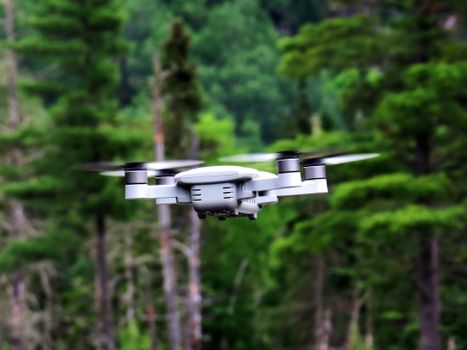
High-tech drone flying in lush green forest showcasing modern technology in nature. Photo: Ella Wei / Pexels
Embarking on the journey of aerial photography can be incredibly rewarding, but for newcomers, the sheer volume of options when you want to buy a drone with camera for beginners can be overwhelming. The key to a successful first experience lies in understanding what features truly matter for a novice pilot. Unlike professional-grade drones, beginner models prioritize ease of use, durability, and safety over advanced cinematic capabilities or extended flight ranges. The first and foremost consideration for a beginner drone with a camera is its stability. Features like GPS positioning and optical flow sensors are game-changers. GPS allows the drone to hold its position accurately outdoors, even in light wind, freeing you to focus on camera operation rather than constant flight correction. Optical flow, on the other hand, provides stability indoors or in areas without GPS signal by tracking ground patterns. Another critical feature is 'Altitude Hold,' which automatically maintains the drone's height, preventing accidental ascents or descents. This significantly reduces the mental load on new pilots, allowing them to practice directional control and framing shots. 'Headless Mode' is also incredibly beneficial. When activated, the drone's forward direction is relative to the pilot, regardless of which way the drone's 'nose' is pointing. This eliminates confusion and makes orientation much simpler, especially during initial flights. Durability is another non-negotiable. Beginners are prone to bumps and crashes, so look for drones with robust plastic frames, propeller guards, and easily replaceable parts. Some even come with modular designs for quick repairs. When it comes to the camera itself, manage your expectations. While many beginner drones boast 1080p or even 4K recording, the actual quality can vary. Focus on drones that offer decent video stabilization, even if it's electronic image stabilization (EIS) rather than a mechanical gimbal, as this will make your footage look much smoother. A wide-angle lens is also desirable for capturing expansive landscapes. Battery life is often a limiting factor for smaller, more affordable drones, typically ranging from 8 to 15 minutes. It's highly recommended to invest in extra batteries to extend your flight sessions. Finally, consider the controller. A good beginner drone controller should be intuitive, comfortable to hold, and have clearly labeled buttons for essential functions like take-off, landing, and emergency stop. Some drones even offer app-based control through your smartphone, which can be a convenient alternative. Understanding these core features will empower you to make an informed decision and ensure your first drone experience is enjoyable and productive. For more insights into drone technology, check out our guide on the latest drone innovations.

Top Beginner-Friendly Drones with Cameras: Models and Recommendations
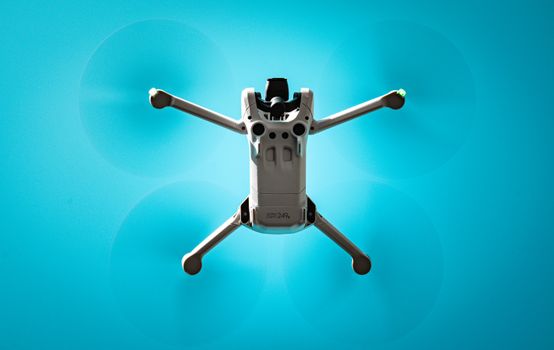
Aerial view of a drone flying against a vibrant blue sky, showcasing modern technology. Photo: Sascha Weber / Pexels
Once you have a grasp of the essential features, the next step in your quest to buy a drone with camera for beginners is to explore specific models that consistently receive high marks from new pilots. The market is saturated with options, but a few stand out for their blend of affordability, ease of use, and respectable camera capabilities. One of the most frequently recommended drones for beginners is the Holy Stone HS110D or its newer iterations. These drones typically offer 1080p cameras, altitude hold, headless mode, and a decent flight time for their price point. They are known for their robust build quality and excellent customer support, making them a safe bet for a first-time drone owner. The HS110D often includes extra batteries and propeller guards in the box, adding to its value proposition. Another strong contender in the beginner space is the Ryze Tello, powered by DJI technology. While it's a smaller, more toy-like drone, its intelligent flight modes, electronic image stabilization, and surprisingly good 720p camera make it an excellent choice for learning basic flight maneuvers and capturing casual photos and videos. Its app-based control is intuitive, and it can even be programmed using Scratch, making it a fun educational tool. The Tello's compact size also makes it ideal for indoor flying. For those looking for a step up in camera quality without breaking the bank, models like the DJI Mini SE or the newer DJI Mini 2 SE are fantastic options. These drones, while a bit pricier than the aforementioned toy-grade drones, offer significantly better 2.7K or 4K cameras, mechanical gimbals for buttery-smooth footage, and industry-leading GPS stability. Their compact, foldable design makes them highly portable, and the DJI Fly app is incredibly user-friendly, guiding you through every step of the flight process. They also boast impressive flight times, often exceeding 25 minutes per battery. While they require a bit more care due to their advanced technology, their intelligent features like Return-to-Home and obstacle sensing (on some models) make them forgiving for beginners who are serious about aerial photography. Each of these recommendations strikes a balance between performance and accessibility, ensuring that new pilots can enjoy the thrill of flying and capturing aerial content without feeling overwhelmed. When choosing, consider what aspects are most important to you: ultimate durability and low cost, a focus on educational fun, or a more serious entry into high-quality aerial imaging. Reading user reviews and watching flight demonstrations on YouTube can also provide valuable insights into the real-world performance of these drones.

Mastering Your First Flights: Tips, Tricks, and Safety Guidelines
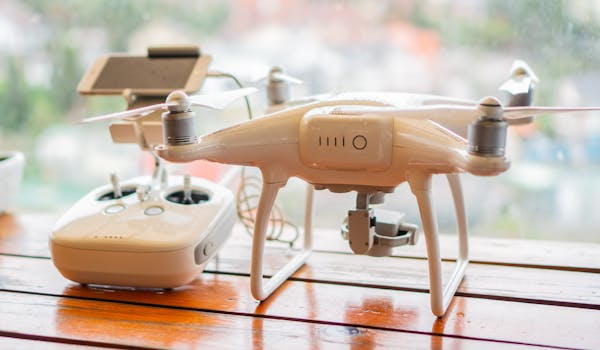
Close-up of a drone and controller on a table, indoor setting with a modern design. Photo: Lê Minh / Pexels
Acquiring your first drone is just the beginning; the real adventure starts when you take to the skies. To ensure a smooth and safe learning experience when you buy a drone with camera for beginners, it's crucial to follow some fundamental tips and adhere to essential safety guidelines. First and foremost, always read the user manual thoroughly. While it might seem tedious, the manual contains vital information about your specific drone's features, controls, and calibration procedures. Understanding these basics will prevent common beginner mistakes and potential damage to your drone. Before your inaugural flight, ensure your drone's battery and controller are fully charged, and if your drone uses a smartphone for control or FPV (First Person View), make sure your phone is also charged. Choose an open, clear area for your first flights, free from trees, power lines, buildings, and people. A large, empty park or an open field is ideal. Begin with slow, controlled movements close to the ground to get a feel for the controls. Don't immediately try to fly high or fast. Practice basic maneuvers like hovering, taking off, and landing repeatedly until they become second nature. If your drone has 'Beginner Mode' or 'Training Mode,' activate it. These modes often limit speed, altitude, and control sensitivity, making the drone much easier to manage for new pilots. Utilize features like altitude hold and headless mode to your advantage, as they significantly reduce the complexity of flying. Safety is paramount. Always keep your drone within your line of sight. Relying solely on the FPV feed can be disorienting for beginners and can lead to losing control. Be aware of your surroundings and any potential hazards. Check local regulations regarding drone flight, especially in the US. The FAA (Federal Aviation Administration) has rules for recreational drone pilots, including registering drones over a certain weight and avoiding controlled airspace. Never fly near airports, wildfires, or emergency response areas. Respect privacy; avoid flying over private property or filming individuals without their consent. Weather conditions play a significant role. Avoid flying in strong winds, rain, or extreme temperatures, as these can easily destabilize your drone and lead to a crash. Always perform pre-flight checks: ensure propellers are securely attached and undamaged, check battery levels, and calibrate the compass if required by your drone model. When learning to frame shots, start with simple, static subjects before attempting dynamic movements. Practice smooth, slow camera movements. Remember, patience is key. You won't be a professional pilot overnight, but with consistent practice and adherence to safety, you'll soon be capturing stunning aerial footage. For more advanced drone techniques, explore our articles on drone photography tips.

Avoiding Common Pitfalls: What Not to Do When Flying Your First Drone
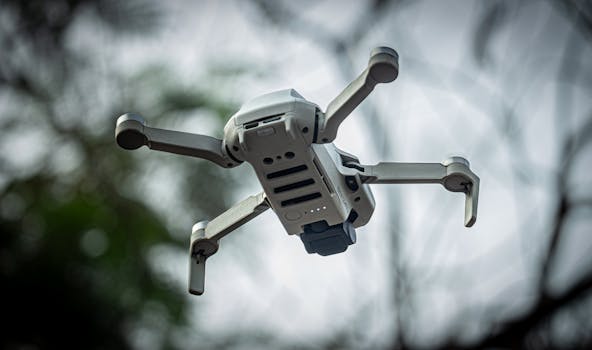
A sleek drone flying against a blurred outdoor background in Dhaka, Bangladesh. Photo: Ratul Saha / Pexels
While learning what to do is crucial, understanding what *not* to do can be equally, if not more, important for a beginner drone pilot. Avoiding common pitfalls will save you frustration, money, and potentially prevent accidents. One of the biggest mistakes beginners make is neglecting to read the manual. Every drone is different, and assuming you know how to operate it based on YouTube videos or previous experience with a different model is a recipe for disaster. Crucial information about calibration, specific flight modes, and emergency procedures is often found only in the manual. Another significant pitfall is flying in unsuitable conditions. Attempting to fly in windy weather, rain, or even light drizzle is a common mistake. Even beginner drones with some wind resistance can be easily buffeted by gusts, leading to loss of control or a crash. Water damage can instantly brick your drone. Similarly, flying in crowded areas or near obstacles like trees, power lines, and buildings significantly increases the risk of collision. Always choose an open space, especially for your first few flights. Ignoring battery warnings is another frequent error. Pushing your drone to the absolute limit of its battery life is risky. Many beginner drones don't have sophisticated 'Return to Home' features that precisely calculate the remaining power needed to get back. If your battery runs too low, the drone might simply fall out of the sky wherever it is. Always land with a comfortable buffer of battery life remaining. Investing in extra batteries is a smart move to avoid this frustration. Furthermore, many beginners get overly ambitious too quickly. Trying complex aerial maneuvers or attempting to capture cinematic shots on the first flight often ends in disappointment or a crash. Start with the basics: smooth take-offs, stable hovering, and gentle landings. Gradually introduce directional control and simple camera movements as you gain confidence. Don't forget about calibrating your drone. Many drones require compass calibration before each flight, especially if you've moved to a new location. Failing to do so can result in unpredictable flight behavior or 'flyaways.' Lastly, neglecting local regulations is a serious mistake. In the US, the FAA has strict rules for drone operation, including airspace restrictions around airports and sensitive facilities. Ignorance of these rules is not an excuse and can lead to hefty fines or legal trouble. Always check B4UFLY app or similar resources before taking off. By being aware of these common pitfalls and actively working to avoid them, your journey into drone piloting will be much safer, more enjoyable, and ultimately more successful.

Comparison

FeatureRyze TelloHoly Stone HS110DDJI Mini 2 SE
Price Range (approx.)$99 - $129$120 - $160$349 - $449
Camera Quality720p (EIS)1080p (EIS)2.7K (3-axis gimbal)
Flight Time (per battery)13 min10-13 min31 min
GPS Stabilization
Headless Mode
Durability/Prop GuardsGood (built-in)Excellent (included)Good (optional)
PortabilityPocket-sizedMediumFoldable, mini-size
Skill LevelBeginnerBeginnerBeginner/Intermediate

What Readers Say

"I wanted to buy a drone with camera for beginners, and the Holy Stone HS110D was perfect! It's so easy to fly, and the camera takes surprisingly good photos for the price. I've already captured some amazing views of my backyard."

Sarah J. · Austin, TX

"The DJI Mini 2 SE was my first drone, and I couldn't be happier. The stability is incredible, and the 2.7K camera produces stunning video. It felt intimidating at first, but the app makes learning a breeze."

Mark D. · Orlando, FL

"After reading this guide, I decided to buy a drone with camera for beginners, specifically the Ryze Tello. It's so much fun and a great way to learn the basics. My kids even love flying it, and I've captured some cute family videos."

Jessica L. · Seattle, WA

"I got a budget drone with a camera to start, and while the video quality isn't pro-level, it's been fantastic for learning. The altitude hold and one-key return are lifesavers for a new pilot like me. I'm already eyeing an upgrade!"

David C. · Denver, CO

"As someone who loves travel, I wanted to buy a drone with camera for beginners that was also portable. The DJI Mini 2 SE fits perfectly in my bag, and I've been able to get incredible shots of landscapes on my trips. It's made my photography so much more exciting."

Emily R. · San Diego, CA

Frequently Asked Questions

What is the most important feature for a beginner drone with a camera?

For a beginner drone with a camera, the most important features are stability and ease of control. Look for GPS positioning, altitude hold, and headless mode. These features significantly reduce the learning curve and help prevent crashes, allowing new pilots to focus on enjoying the flight and capturing footage.

Are beginner drones with cameras difficult to fly?

No, modern beginner drones are designed to be very easy to fly. Features like one-key take-off/landing, altitude hold, and headless mode simplify the process. Many also come with beginner modes that limit speed and range, making the initial learning experience much more forgiving and enjoyable.

How do I register my drone in the US?

In the US, if your drone weighs between 0.55 pounds (250 grams) and 55 pounds (25 kg) and is flown recreationally, you must register it with the FAA (Federal Aviation Administration). You can do this online through the FAA DroneZone website. The registration costs a small fee and is valid for three years.

What's a reasonable budget when I want to buy a drone with camera for beginners?

A reasonable budget for a beginner drone with a camera can range from $100 to $500. Drones under $200 often offer good basic functionality and decent cameras for learning, while those in the $300-$500 range, like the DJI Mini series, provide significantly better camera quality, stability, and flight time.

How does a beginner camera drone compare to a professional one?

Beginner camera drones prioritize ease of use, durability, and affordability, often with basic camera stabilization (EIS) and shorter flight times. Professional drones offer superior camera quality (4K/5K with mechanical gimbals), longer flight ranges and times, advanced obstacle avoidance, and more complex flight modes, but come at a much higher price and steeper learning curve.

Who should buy a drone with camera for beginners?

Anyone interested in exploring aerial photography, videography, or simply the fun of flying, but has no prior drone experience, should buy a drone with camera for beginners. It's ideal for hobbyists, tech enthusiasts, and individuals looking for an accessible entry point into the world of drones without a significant investment or steep learning curve.

What are the main safety concerns for new drone pilots?

The main safety concerns for new drone pilots include flying in restricted airspace (e.g., near airports), losing control due to high winds or low battery, crashing into people or property, and violating privacy laws. Always check local regulations, fly in open areas, maintain line of sight, and respect others' privacy.

What are the future trends for beginner camera drones?

Future trends for beginner camera drones likely include even more advanced autonomous flight features (like improved 'follow me' modes), better integrated AI for enhanced photo/video capture, longer battery life, and increasingly robust yet lightweight designs. We can also expect further simplification of controls and better integration with smartphone apps.

Ready to capture the world from a new perspective? Use this guide to confidently buy a drone with camera for beginners, ensuring your first flight is smooth, safe, and utterly unforgettable. The sky is no longer the limit – it's your new canvas.

Topics: buy drone with camera for beginnersbeginner camera dronefirst drone with cameraeasy to fly droneaffordable camera drone
Leo List
Brampton weed
Adultwork EstrelaBet Vai de Bet R7 Bet Betão Galera Bet Rainbet Bet9ja Shop SportyBet BetKing Sisal Loto Foot Hollywoodbets YesPlay Odibets RushBet Jugabet BetWarrior BetCity MSport betPawa Fortebet