Unleash Your Potential: Best Smartwatches for Fitness Tracking
best smartwatches for fitness tracking

Unleash Your Potential: Best Smartwatches for Fitness Tracking

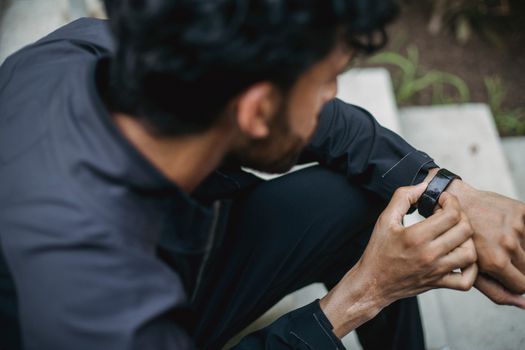
Person interacting with a smartwatch, showing a fitness application on the screen.Photo: Pixabay / Pexels

Unleash Your Potential: Best Smartwatches for Fitness Tracking

Find the perfect wearable to optimize your health, performance, and daily activity with precision tracking.

Find Your Perfect Fit

Key Takeaways

  • ✓ Smartwatches offer advanced metrics like VO2 Max, recovery time, and sleep stages, beyond basic step counting.
  • ✓ GPS accuracy, heart rate monitoring, and multisport tracking are crucial features for serious fitness enthusiasts.
  • ✓ Battery life varies significantly; consider usage patterns when choosing a device.
  • ✓ Ecosystem compatibility (iOS vs. Android) impacts feature access and user experience.

How It Works

1
Select Your Ideal Smartwatch

Research and choose a smartwatch based on your fitness goals, budget, and desired features. Consider factors like GPS, heart rate accuracy, and specific sport modes.

2
Setup and Personalization

Pair your new smartwatch with your smartphone via Bluetooth and download the companion app. Customize settings, set personal goals, and input your biometric data for accurate tracking.

3
Track Your Activities

Wear your smartwatch daily and during workouts to automatically or manually log various activities. Monitor real-time metrics like heart rate, distance, pace, and calories burned.

4
Analyze and Improve

Review your data in the companion app to identify trends, track progress, and gain insights into your health and fitness. Use this information to adjust your training and reach new milestones.

Understanding the Evolution of Fitness Tracking Smartwatches

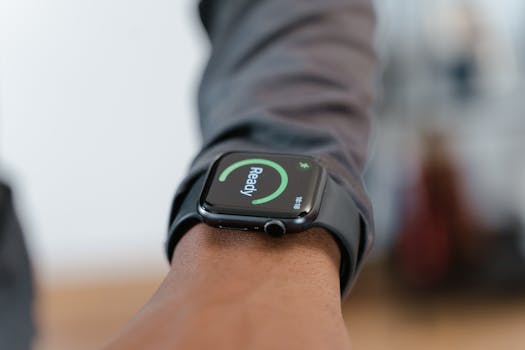
A detailed view of a smartwatch tracking fitness on a person's wrist.Photo: MART PRODUCTION / Pexels
The landscape of fitness tracking has undergone a monumental transformation, moving far beyond simple pedometers to sophisticated smartwatches that serve as personal health and performance hubs. What once was a niche gadget for elite athletes has now become an indispensable tool for anyone looking to improve their well-being, from casual walkers to marathon runners. The best smartwatches for fitness tracking today integrate an array of sensors and algorithms to provide a holistic view of your physical activity, sleep patterns, and overall health. They are no longer just about counting steps; they're about understanding your body's responses, optimizing recovery, and preventing burnout. This evolution is driven by advancements in sensor technology, artificial intelligence, and user-friendly interfaces that make complex data accessible and actionable. Early fitness trackers were rudimentary, offering basic step counts and perhaps an estimate of calories burned. While revolutionary at the time, their limitations quickly became apparent as users sought deeper insights. The convergence of smartphone technology with wearable devices gave birth to the modern smartwatch, adding features like GPS for accurate distance tracking, optical heart rate sensors for continuous monitoring, and accelerometers for activity detection. These devices now boast advanced capabilities such as blood oxygen saturation (SpO2) monitoring, electrocardiogram (ECG) readings for detecting heart rhythm irregularities, and even skin temperature sensing. The integration of these features means that a single device on your wrist can offer insights that previously required multiple dedicated gadgets or even medical equipment. Furthermore, the software ecosystem surrounding these smartwatches has matured significantly. Companion apps provide detailed analytics, personalized coaching, and community features that foster motivation and accountability. Users can set custom goals, receive reminders to move, and track their progress over weeks and months, identifying trends and making informed decisions about their health. The ability to sync data with other health platforms and share achievements with friends adds another layer of engagement. Choosing among the best smartwatches for fitness tracking requires a careful evaluation of your personal needs. Are you primarily interested in running and cycling, requiring robust GPS and elevation tracking? Or is your focus on overall health, including sleep quality, stress levels, and general activity? Do you need a device that can handle swimming, or one with long battery life for multi-day adventures? The market offers a diverse range of options, each with its strengths and weaknesses, making it crucial to understand the core features and how they align with your lifestyle. As the technology continues to advance, we can expect even more sophisticated health monitoring capabilities, predictive analytics, and seamless integration into our daily lives, making fitness tracking an even more intrinsic part of our personal wellness journeys. The future of wearable tech promises further innovation, pushing the boundaries of what these devices can achieve for our health. The continuous development in algorithms and machine learning will lead to even more personalized insights and proactive health recommendations, transforming reactive health management into a preventative approach. From advanced stress detection to early illness indicators, smartwatches are poised to become indispensable health guardians. This trend highlights the critical need for consumers to stay informed about the latest features and choose devices that not only meet their current fitness needs but also offer room for growth and future health monitoring advancements. The journey from simple step counter to sophisticated health companion is far from over, promising exciting developments for users seeking to take control of their well-being.

Key Features to Look for in Fitness Smartwatches

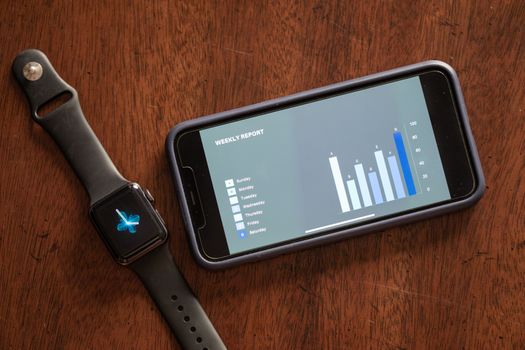
A detailed image showing a person interacting with a smartwatch, highlighting fitness tracking capabilities.Photo: MART PRODUCTION / Pexels
When searching for the best smartwatches for fitness tracking, a discerning eye for specific features can make all the difference in achieving your health and performance goals. The sheer volume of options can be overwhelming, but by focusing on core functionalities, you can narrow down your choices to devices that truly meet your demands. First and foremost, accurate heart rate monitoring is non-negotiable. Most modern smartwatches use optical sensors, but their accuracy can vary, especially during high-intensity workouts. Look for devices that offer continuous heart rate tracking, resting heart rate analysis, and heart rate zone training. Some premium models even incorporate ECG capabilities, providing a more detailed look at your cardiovascular health and potentially detecting irregularities like atrial fibrillation. GPS functionality is another critical feature, particularly for runners, cyclists, and hikers. Integrated GPS allows your smartwatch to precisely track distance, pace, and route without needing to carry your phone. Look for multi-band GPS support for enhanced accuracy in challenging environments. For outdoor enthusiasts, features like altimeter, barometer, and compass can provide valuable data on elevation changes and navigation. Multisport tracking is essential for athletes who engage in various activities. A good fitness smartwatch should offer dedicated modes for running, cycling, swimming, yoga, strength training, and more, providing tailored metrics for each. For swimmers, water resistance ratings (e.g., 5 ATM or 10 ATM) and the ability to track strokes, laps, and SWOLF scores are vital. Battery life is a practical consideration that significantly impacts user experience. Some smartwatches offer several days or even weeks of battery life in smartwatch mode, while others may only last a day or two, especially with heavy GPS use. Consider your charging habits and how frequently you're willing to recharge. For long endurance events, extended battery life with GPS enabled is paramount. Advanced metrics and analytics are what truly differentiate the best fitness smartwatches. Look for devices that provide insights into VO2 Max (a measure of cardiovascular fitness), training load, recovery time, and sleep stages (REM, deep, light). These metrics offer a deeper understanding of your body's responses to training and help prevent overtraining. Stress monitoring, often measured through heart rate variability, can also be a valuable tool for managing overall well-being. Smartwatch operating system and ecosystem compatibility are also important. Apple Watch works seamlessly with iPhones, offering deep integration with iOS health features. Wear OS watches (Google) are generally compatible with Android phones, while brands like Garmin, Fitbit, and Samsung often have their own proprietary ecosystems that work across both platforms. Ensure the smartwatch you choose integrates well with your existing devices and preferred health apps. Finally, consider durability and design. Fitness smartwatches should be robust enough to withstand daily wear and tear, sweat, and occasional bumps. Look for materials like Gorilla Glass or sapphire crystal for scratch resistance, and comfortable, breathable straps. The overall aesthetic and customization options can also contribute to a positive user experience. By prioritizing these key features, you can confidently select a fitness smartwatch that not only tracks your activities but also empowers you to make smarter choices about your health and fitness journey. The blend of robust hardware and intelligent software is what elevates a simple time-telling device into a powerful personal health coach, capable of guiding you toward your peak performance. This comprehensive approach ensures that your investment in a fitness smartwatch pays dividends in improved health, optimized training, and a deeper understanding of your body's capabilities. Understanding the nuances of each feature will lead to a more satisfying and effective tracking experience, making your journey towards fitness goals smoother and more data-driven. The choice of the right device can significantly impact your motivation and consistency, turning aspirations into measurable achievements. For those interested in exploring broader technological advancements, understanding how these devices integrate with other smart home technologies can also provide a more connected and holistic approach to personal well-being.

Top Contenders: The Best Smartwatches for Fitness Tracking Today

Woman wearing pink hoodie checks smartwatch by the ocean, focused on time tracking.Photo: Ketut Subiyanto / Pexels
Navigating the crowded market for the best smartwatches for fitness tracking can be daunting, but a few devices consistently rise to the top, offering a compelling blend of features, accuracy, and user experience. These top contenders cater to a wide range of fitness enthusiasts, from casual users to serious athletes, ensuring there's a perfect match for nearly every need. The Apple Watch Series [Latest Model] consistently ranks as a top choice for iPhone users. Its seamless integration with the iOS ecosystem, robust health monitoring features (including ECG, SpO2, and advanced sleep tracking), and extensive app library make it a powerful all-rounder. For fitness, it offers precise GPS, comprehensive workout tracking for a multitude of activities, and innovative features like fall detection and emergency SOS. The bright, vibrant display and intuitive interface further enhance its appeal. While its battery life is typically around 18 hours, requiring daily charging, its overall performance and health insights are unparalleled for Apple users. For Android users, the Samsung Galaxy Watch [Latest Model] series presents a strong alternative. Running on Wear OS powered by Samsung, these watches offer a sleek design, vibrant AMOLED displays, and a comprehensive suite of fitness tracking tools. They excel in daily activity tracking, sleep analysis, and offer features like body composition analysis (BIA) and advanced running metrics. While its integration with non-Samsung Android phones is generally good, it shines brightest within the Samsung ecosystem. Battery life is competitive, often lasting a full day or more depending on usage. For serious athletes and outdoor adventurers, Garmin devices are often considered the gold standard. Models like the Garmin Fenix series or Forerunner series are renowned for their exceptional GPS accuracy, incredibly long battery life (often weeks in smartwatch mode, days with GPS), and deep dive into performance metrics. They offer advanced training load analysis, recovery advisors, and specialized profiles for virtually every sport imaginable, from trail running to triathlon. While their aesthetics might be more utilitarian compared to lifestyle smartwatches, their data-driven insights are unmatched. Garmin's ecosystem also provides robust mapping and navigation features, making them ideal for exploring new routes. Fitbit, now owned by Google, continues to offer excellent options for those prioritizing everyday health and wellness. The Fitbit Sense series, for example, focuses on holistic health with features like EDA (electrodermal activity) scans for stress management, skin temperature sensing, and detailed sleep analysis, alongside standard fitness tracking. Its user-friendly interface and strong community features make it accessible for those new to fitness tracking. Fitbit devices typically offer multi-day battery life, making them convenient for continuous wear. Finally, for those on a slightly tighter budget who still demand solid performance, brands like Amazfit or even older generations of the top contenders can offer great value. These devices often provide core fitness tracking features like heart rate, GPS, and sleep monitoring at a more accessible price point, making advanced health tracking available to a wider audience. The best smartwatch for you will ultimately depend on your specific needs, budget, and platform preference. Each of these top contenders brings unique strengths to the table, ensuring that whether you're training for a marathon or simply aiming for more steps each day, there's a powerful and accurate device ready to support your journey. The continuous innovation in this space means that the capabilities of these devices are only growing, offering more precise data and actionable insights to empower users in their pursuit of better health and fitness. By carefully weighing the pros and cons of each, consumers can make an informed decision that best aligns with their personal wellness objectives, solidifying their commitment to a healthier lifestyle through technology. The fierce competition among these brands drives constant improvements, benefiting consumers with ever more capable and user-friendly devices. This ongoing innovation ensures that the market for smart wearables remains dynamic and exciting, offering a continuous stream of advanced tools for personal health management.

Maximizing Your Fitness Tracking: Tips and Common Mistakes
A detailed view of a smartwatch tracking fitness on a person's wrist.Photo: MART PRODUCTION / Pexels
To truly leverage the power of the best smartwatches for fitness tracking, it's not enough to just strap one on and go. Understanding how to maximize its capabilities and avoiding common pitfalls can significantly enhance your experience and the accuracy of your data. Here are some essential tips and common mistakes to watch out for: **Tips for Maximizing Your Tracking:** * **Wear it Correctly:** Ensure your smartwatch is snug but not too tight, typically one finger's width above your wrist bone. This placement is crucial for accurate heart rate readings and consistent data collection. * **Calibrate Your GPS:** For outdoor activities, especially running and cycling, occasionally calibrate your GPS by running or walking a known distance. This helps improve the accuracy of distance and pace metrics over time. * **Utilize All Sensors:** Don't just focus on steps. Explore features like sleep tracking, stress monitoring, and blood oxygen. These provide a more holistic view of your health and recovery. * **Set Realistic Goals:** Use your smartwatch to set achievable daily or weekly goals for steps, active minutes, or calories. Gradually increase them as your fitness improves to maintain motivation. * **Explore the App Ecosystem:** Dive deep into the companion app. Many offer personalized coaching, training plans, and integration with third-party apps like MyFitnessPal or Strava, expanding the utility of your device. * **Understand Your Metrics:** Learn what VO2 Max, heart rate zones, and training load mean. This knowledge allows you to interpret your data effectively and tailor your workouts for better results. * **Keep Software Updated:** Regularly update your smartwatch and companion app. Updates often include bug fixes, performance improvements, and new features that enhance accuracy and functionality. * **Clean Your Sensors:** Perspiration and dirt can accumulate on the optical heart rate sensor. Regularly clean the back of your watch with a soft cloth to ensure optimal performance. **Common Mistakes to Avoid:** * **Ignoring Recovery Data:** Focusing solely on workout intensity without considering recovery and sleep can lead to overtraining and injury. Pay attention to recovery recommendations from your device. * **Over-Reliance on Calorie Counts:** While smartwatches provide calorie estimates, they are often approximations. Don't base your entire diet solely on these numbers; use them as a general guide. * **Not Personalizing Settings:** Out-of-the-box settings might not be optimal for everyone. Take the time to input your accurate age, weight, height, and gender for more precise calculations. * **Wearing it Loosely During Workouts:** A loose fit can lead to inaccurate heart rate readings, especially during activities with significant arm movement. * **Expecting Medical-Grade Accuracy:** While advanced, smartwatches are consumer devices and are not replacements for medical diagnostic tools. Consult a healthcare professional for any health concerns. * **Forgetting to Charge:** A dead smartwatch is useless. Establish a charging routine to ensure it's ready when you are, especially before long workouts or multi-day trips. * **Not Syncing Regularly:** Ensure your smartwatch syncs with its companion app regularly to back up data and keep your progress updated across platforms. * **Comparing Yourself to Others:** Every individual's body is different. Focus on your personal progress and goals rather than constantly comparing your metrics to friends or online communities. By following these tips and avoiding common mistakes, you can transform your fitness smartwatch from a simple gadget into a powerful ally in your health and wellness journey, providing accurate, actionable insights that drive real results.

Comparison

FeatureGarmin Fenix 7 ProApple Watch Ultra 2Samsung Galaxy Watch 6 ClassicFitbit Sense 2
Target UserSerious Athletes/OutdooriPhone Users/ActiveAndroid Users/LifestyleHealth & Wellness Focused
Battery Life (Smartwatch Mode)18-22 Days36-72 Hours30-40 Hours6+ Days
GPS AccuracyMulti-band GPS (Excellent)Dual-frequency GPS (Excellent)Integrated GPS (Good)Integrated GPS (Good)
Advanced Health SensorsSpO2, HRV, Body BatteryECG, SpO2, Temp SensorECG, SpO2, BIA, Temp SensorEDA, SpO2, Skin Temp
EcosystemGarmin ConnectApple Health/Fitness+Wear OS/Samsung HealthFitbit App
DurabilityMilitary Standard (MIL-STD-810)Aerospace-grade TitaniumSapphire Crystal GlassGorilla Glass 3
Price Point (Approx.)$700-$1000$799$399-$429$299

What Our Readers Say

5 ★★★★★

"My Garmin Forerunner has been a game-changer for my marathon training. The GPS is incredibly accurate, and the recovery advisor helps me avoid overtraining. It's truly one of the best smartwatches for fitness tracking I've ever owned."

5 ★★★★★

"The Apple Watch Ultra 2 is perfect for my active lifestyle. From hiking to swimming, it tracks everything with precision, and the extended battery life means I don't have to worry about charging mid-adventure. A fantastic investment for health and fitness."

5 ★★★★★

"I used to struggle with sleep, but my Fitbit Sense 2 has given me so much insight. The stress management tools are surprisingly effective, and my sleep scores have improved dramatically thanks to the detailed analysis. It's truly helped me take control of my wellness."

4 ★★★★☆

"The Samsung Galaxy Watch 6 Classic is a great all-around device. The fitness tracking is solid, and I love the body composition analysis feature. Sometimes the battery life is a bit shorter than I'd like with heavy use, but it's stylish and performs well for daily fitness."

5 ★★★★★

"As a triathlete, I need a watch that can keep up, and my Garmin Fenix does exactly that. The multisport modes seamlessly transition, and the advanced performance metrics are invaluable for optimizing my training. It's the ultimate tool for serious fitness tracking."

Frequently Asked Questions

What is the most accurate smartwatch for heart rate monitoring during workouts?
While optical heart rate sensors are common, chest straps generally offer the highest accuracy, especially during high-intensity or erratic movements. Among smartwatches, models from Garmin and Apple Watch Ultra are often cited for their superior optical HR accuracy, especially when worn correctly and with proper fit. Devices with ECG capabilities also offer a more precise snapshot of heart rhythm.
Will a fitness smartwatch help me lose weight?
A fitness smartwatch is a powerful tool to assist with weight loss, but it's not a magic bullet. It provides data on activity levels, calories burned, and can help you monitor sleep and stress, all of which are crucial for weight management. By making you more aware of your habits and progress, it can motivate you to make healthier choices and stick to a consistent exercise routine and balanced diet.
How do I ensure my smartwatch's fitness tracking data is accurate?
To ensure accuracy, wear your smartwatch snugly on your wrist, typically one finger's width above the wrist bone. Keep your personal profile (age, weight, height, gender) updated in the app. Regularly clean the sensors, ensure GPS is enabled for outdoor activities, and perform any calibration steps suggested by the manufacturer. Avoid loose fits during workouts, as this can severely impact heart rate readings.
Are expensive fitness smartwatches really worth the extra cost?
The value of an expensive fitness smartwatch depends on your needs. Premium models often offer superior build quality, more advanced sensors (ECG, multi-band GPS), longer battery life, and deeper analytical insights (VO2 Max, recovery time). For casual users, a mid-range device might suffice. For serious athletes or those with specific health monitoring needs, the extra investment can be well worth it for the enhanced accuracy and features.
How do fitness smartwatches compare to dedicated fitness trackers?
Fitness smartwatches generally offer more advanced features, larger displays, and broader app ecosystems than basic fitness trackers. They often include full smartphone notifications, calling capabilities, and music control, alongside comprehensive health and fitness metrics. Dedicated fitness trackers, while simpler, often excel in battery life and a more minimalist design, focusing purely on core activity and sleep tracking.
Who benefits most from using the best smartwatches for fitness tracking?
Anyone looking to gain a deeper understanding of their health and optimize their physical activity can benefit. This includes casual exercisers aiming for more steps, runners training for races, cyclists tracking performance, individuals focusing on sleep improvement or stress management, and those seeking general health insights. The data provided empowers users to make informed decisions about their well-being.
Can fitness smartwatches help detect health problems?
Some advanced fitness smartwatches include features like ECG (electrocardiogram) for detecting signs of atrial fibrillation (AFib) or blood oxygen (SpO2) monitoring. While these can provide valuable insights and alert users to potential issues, they are not medical devices and should not be used for self-diagnosis. Always consult a healthcare professional for medical advice or concerns.
What are the future trends in fitness smartwatch technology?
Future trends include enhanced non-invasive glucose monitoring, more sophisticated stress and mental health tracking, advanced hydration sensors, and even more personalized AI-driven coaching. Expect longer battery life, smaller form factors, and deeper integration with smart home ecosystems and telehealth services, making these devices even more integral to proactive health management.

Choosing among the best smartwatches for fitness tracking is a pivotal step towards a healthier, more informed lifestyle. With the right device on your wrist, you gain unparalleled insights into your body's performance and recovery, empowering you to smash your fitness goals. Explore our recommendations and find the perfect companion to track your progress and elevate your wellness journey today.

Topics: best smartwatches for fitness trackingfitness tracker watchhealth smartwatchwearable fitness techworkout tracker devices
Leo List
Brampton weed
Adultwork