✓ Smart lighting, smart plugs, and voice assistants are ideal entry points for beginners.
✓ Compatibility (e.g., Google Home, Amazon Alexa, Apple HomeKit) is crucial for a unified experience.
✓ Security and privacy should be a priority when selecting smart home devices.
✓ Start small with a few devices and expand as you gain confidence and understanding.
How It Works
1
Choose Your Ecosystem
Decide on a primary smart home platform like Amazon Alexa, Google Assistant, or Apple HomeKit. This ensures your devices can communicate seamlessly.
2
Pick Your First Devices
Start with simple, impactful devices such as smart light bulbs, smart plugs, or a voice assistant. These offer immediate benefits and are easy to set up.
3
Install and Connect
Follow the manufacturer's instructions to install your devices and connect them to your home Wi-Fi and chosen smart home platform. Most apps guide you step-by-step.
4
Automate and Expand
Once connected, explore basic automations (e.g., lights turn on at sunset). As you get comfortable, gradually add more devices and create more complex routines.
Demystifying Smart Home Technology for Newcomers
Photo: Ling App / Pexels
The concept of a 'smart home' might conjure images of futuristic mansions with AI butlers, but the reality is far more accessible and practical for everyday living. For beginners, diving into the world of smart home devices doesn't require a computer science degree or a massive budget. It's about taking small, manageable steps to enhance your comfort, convenience, security, and even energy efficiency. The beauty of modern smart home technology lies in its modularity and user-friendliness. You don't have to overhaul your entire house; you can start with a single smart light bulb or a voice-controlled speaker and build from there. The primary goal for beginners should be simplicity and immediate utility. What are the everyday annoyances or tasks you'd like to simplify? Do you always forget to turn off the lights? Do you wish you could check if your door is locked from your phone? These are the entry points into smart home living.
Understanding the core components is key. At its heart, a smart home relies on devices connected to your home's Wi-Fi network that can communicate with each other and be controlled remotely, usually via a smartphone app or a voice assistant. This interconnectedness allows for automation – setting up routines where devices perform actions based on triggers like time of day, your location, or the status of another device. For instance, your smart lights could turn on automatically when your smart door lock registers that you've arrived home. The initial step for any beginner is often choosing a smart home ecosystem. Popular ecosystems include Amazon Alexa, Google Assistant, and Apple HomeKit. These platforms act as the central hub, allowing various brands of smart devices to 'talk' to each other. While many devices are cross-compatible, sticking primarily to one ecosystem, especially at the beginning, can simplify setup and management. This is where smart home hubs come into play, sometimes integrated into smart speakers, sometimes as standalone devices, they bridge different communication protocols and centralize control. Our focus here is on devices that are straightforward to install, intuitive to use, and offer clear benefits without overwhelming you with complexity. We'll explore categories that are perfect for dipping your toes into smart living, providing both utility and a 'wow' factor that makes the initial investment worthwhile. From lighting that adapts to your mood to security cameras that offer peace of mind, the best smart home devices for beginners are those that provide immediate, tangible improvements to your daily routine without requiring extensive technical knowledge.
Essential Smart Lighting and Plugs for Effortless Automation
Photo: Pascal 📷 / Pexels
For anyone starting their smart home journey, smart lighting and smart plugs represent perhaps the easiest and most impactful entry points. They offer immediate benefits, are relatively inexpensive, and require minimal installation. Smart light bulbs are a revelation. Imagine being able to turn lights on or off from your phone, dim them to create ambiance, or even change their color to suit your mood – all without leaving the couch. Many smart bulbs connect directly to your Wi-Fi, meaning you don't even need a separate hub. Brands like Philips Hue (which does offer a hub for advanced features but also has Wi-Fi direct options), Sengled, and Wyze offer excellent starter bulbs. You can set schedules for lights to turn on and off automatically, making it look like someone's home even when you're away, enhancing security. You can also integrate them with voice assistants, allowing you to simply say, "Alexa, turn on the living room lights," or "Hey Google, dim the bedroom to 50%." This level of convenience is often what hooks beginners on smart home technology.
Smart plugs are equally transformative and incredibly versatile. These small devices plug into any standard wall outlet, and then you plug your 'dumb' appliance into the smart plug. Suddenly, that old lamp, coffee maker, or fan becomes 'smart.' With a smart plug, you can remotely control the power to the connected device via your smartphone app or voice commands. This means you can start your coffee brewing from bed, turn off a curling iron you forgot about after leaving the house, or schedule your Christmas lights to come on at dusk. They are fantastic for energy management, allowing you to easily cut power to devices that might be drawing phantom energy when not in use. Kasa Smart Plugs by TP-Link, Wyze Plugs, and Amazon Smart Plugs are popular choices due to their reliability and ease of setup. Many smart plugs also offer energy monitoring, giving you insights into how much power your devices are consuming. This dual benefit of convenience and potential cost savings makes smart plugs an absolute must-have for any smart home beginner. They are a low-cost, high-impact way to bring automation to almost any non-smart appliance in your home, providing a tangible experience of smart home capabilities without a significant investment or complex installation. These devices are often the 'gateway drugs' of the smart home world, demonstrating the power and simplicity of automation firsthand. They truly represent the best smart home devices for beginners due to their immediate utility and ease of integration.
Voice Assistants and Smart Speakers: The Command Center of Your Home
Photo: Jessica Lewis 🦋 thepaintedsquare / Pexels
Once you've experienced the convenience of controlling lights and plugs with your phone, the next logical step, and arguably the most central piece of any beginner smart home, is a voice assistant integrated into a smart speaker. Devices like the Amazon Echo Dot and Google Nest Mini serve as the brains and voice of your smart home, allowing for hands-free control of your connected devices, answering questions, playing music, setting timers, and much more. They are incredibly user-friendly and require little technical prowess to set up, usually just needing to be plugged in and connected to your Wi-Fi via a companion app. The power of a voice assistant lies in its ability to centralize control. Instead of opening different apps for different devices, you can simply speak a command. "Alexa, turn on the kitchen lights and play my morning playlist," or "Hey Google, lock the front door and set the thermostat to 72 degrees." This seamless interaction makes your smart home feel truly integrated and responsive. For beginners, starting with a smart speaker is often the foundational step that makes all other smart devices feel more intuitive and connected. It's the hub that brings everything together, offering a natural and conversational way to interact with your home. When considering a voice assistant, think about which ecosystem you might lean towards. If you're an avid Amazon shopper or use other Amazon services, Alexa might be a natural fit. If you're deeply integrated into Google's ecosystem (Gmail, Google Calendar, Android phone), then Google Assistant could be more appealing. Both offer a vast array of compatible devices and services, and both are constantly evolving with new features and capabilities.
Beyond basic commands, smart speakers can also be programmed with 'routines' or 'scenes.' These allow you to string together multiple actions with a single command. For example, a 'Good Morning' routine could turn on your bedroom lights, start your coffee maker (via a smart plug), and play the news, all by saying, "Alexa, good morning." This level of automation significantly enhances daily convenience. Furthermore, smart speakers often come with basic smart home hub capabilities, meaning they can sometimes connect directly to certain smart devices without needing a separate hub, simplifying the setup for beginners. They are also excellent for entertainment, acting as high-quality Bluetooth speakers for music or podcasts. Their versatility, ease of use, and central role in a smart home make them one of the best smart home devices for beginners. They transform your home from a collection of individual smart gadgets into a truly interconnected, responsive living space, paving the way for more advanced smart home integrations and making your daily life significantly easier. For a deeper dive into how these systems interact, explore resources on smart home automation.
Smart Security and Thermostats: Peace of Mind and Energy Savings
Photo: Centre for Ageing Better / Pexels
As you grow more comfortable with basic smart home devices, expanding into smart security and smart thermostats offers significant benefits in terms of peace of mind and long-term cost savings. These categories, while slightly more involved than smart plugs, are still highly accessible for beginners and provide substantial value. Smart security cameras are a popular choice, allowing you to monitor your home from anywhere via your smartphone. Devices like the Wyze Cam V3 or Arlo Essential Spotlight Camera offer excellent video quality, motion detection, and two-way audio. They can send alerts to your phone if activity is detected, letting you check in on pets, deliveries, or potential intruders. Many even offer cloud storage for video recordings, often with an optional subscription. The ease of setup, often just requiring power and a Wi-Fi connection, makes them perfect for beginners looking to add a layer of security without complex wiring or professional installation. Knowing you can quickly check on your home at any time provides immense reassurance. These cameras are not just for security; they can also be used for monitoring children or elderly family members, adding a layer of care and connection to your smart home setup.
Smart thermostats are another category that delivers tangible benefits, primarily in energy efficiency and comfort. Traditional thermostats require manual adjustment, leading to wasted energy when you forget to turn down the heat or AC. Smart thermostats, such as the Google Nest Thermostat or Ecobee Lite, learn your preferences over time, can be controlled remotely from your phone, and often integrate with your smart home ecosystem for voice control. Imagine adjusting your home's temperature on your way home from work, so it's perfectly comfortable when you arrive. Many smart thermostats also offer features like geofencing (adjusting temperature based on your phone's location), detailed energy usage reports, and integration with local weather forecasts to optimize performance. While installation might seem daunting, most smart thermostats are designed for DIY installation with clear instructions, often involving connecting a few wires that are clearly labeled. If you can change a light switch, you can likely install a smart thermostat. The initial investment is quickly recouped through energy savings, making it a smart financial decision in the long run. These devices not only make your home more comfortable but also contribute to a greener footprint by optimizing energy consumption. For beginners, the combination of enhanced security and reduced utility bills makes smart cameras and thermostats incredibly appealing additions to their evolving smart home.
Tips for a Smooth Smart Home Start and Common Pitfalls to Avoid
Embarking on your smart home journey should be an exciting and rewarding experience, not a frustrating one. To ensure a smooth start, consider these essential tips and learn from common pitfalls that beginners often encounter.
**Tips for a Smooth Start:**
* **Start Small and Simple:** Don't try to automate your entire home at once. Begin with 1-2 devices in one category (e.g., smart lights in the living room) and expand gradually. This allows you to learn the ropes without feeling overwhelmed.
* **Choose a Primary Ecosystem:** Decide early whether you'll primarily use Amazon Alexa, Google Assistant, or Apple HomeKit. Sticking to one ecosystem, especially initially, simplifies device compatibility and management, creating a more cohesive experience.
* **Prioritize Wi-Fi Strength:** A strong and stable Wi-Fi network is the backbone of any smart home. Ensure your router can handle multiple connected devices and consider a mesh Wi-Fi system if you have a large home or dead spots.
* **Read Reviews and Check Compatibility:** Before purchasing, always check product reviews and, crucially, verify that the device is compatible with your chosen smart home ecosystem and other devices you already own. Look for 'Works with Alexa,' 'Works with Google Home,' or 'HomeKit compatible' badges.
* **Explore Routines and Automations:** Once your devices are set up, delve into creating simple routines. These are the real magic of a smart home, allowing you to automate tasks and make your devices work together seamlessly. Start with time-based automations (e.g., lights on at sunset).
* **Consider Privacy Settings:** Be mindful of privacy settings for devices like smart speakers and cameras. Understand how your data is used and stored, and adjust settings to your comfort level.
**Common Pitfalls to Avoid:**
* **Ignoring Compatibility:** One of the biggest mistakes is buying devices that don't work together. This leads to fragmented control and a frustrating user experience. Always check compatibility before buying.
* **Overspending on Unnecessary Features:** Many smart devices offer advanced features you might not need as a beginner. Focus on core functionality and value before splurging on premium models.
* **Neglecting Network Security:** Ensure your Wi-Fi network is secured with a strong password. Smart devices, like any internet-connected device, can be vulnerable to security breaches if not properly protected.
* **Forgetting Firmware Updates:** Smart devices regularly receive firmware updates that improve performance, add features, and patch security vulnerabilities. Make sure to keep your devices updated.
* **Expecting Immediate Perfection:** Smart homes evolve. You'll learn what works best for your lifestyle through trial and error. Be patient and enjoy the process of customizing your connected living space.
Comparison
Feature
Best Option (Overall)
Alternative 1 (Budget)
Alternative 2 (Ecosystem Specific)
Voice Assistant
Amazon Echo Dot (5th Gen)
Google Nest Mini
Apple HomePod Mini
Smart Lighting (Bulb)
Philips Hue White & Color Ambiance (Bluetooth)
Wyze Bulb Color
Sengled Smart Wi-Fi LED
Smart Plug
Kasa Smart Plug Mini (EP10)
Wyze Plug
Amazon Smart Plug
Smart Thermostat
Google Nest Thermostat
Ecobee Lite
Honeywell Home T9
Indoor Security Camera
Wyze Cam V3
TP-Link Kasa Spot Pan Tilt
Ring Indoor Cam
Ease of Setup
✓
✓
✓
Hub Required for Full Features
Some advanced features
✗
✗
Price Point
Mid-range
Low
Mid-range
What Readers Say
★★★★★
"Starting with smart plugs and an Echo Dot was incredibly easy. I can now turn off my bedroom lamp from downstairs, which is a game-changer! These truly are the best smart home devices for beginners."
Sarah J. · Austin, TX
★★★★★
"The smart light bulbs were a revelation. I love being able to change the mood of a room instantly. Setup was a breeze, even for someone like me who's not tech-savvy."
Mark D. · Seattle, WA
★★★★★
"My Nest Thermostat paid for itself in energy savings within six months! Plus, being able to adjust the AC before I get home is pure luxury. Highly recommend for any beginner."
Emily R. · Miami, FL
★★★★★
"I initially struggled a bit with connecting everything to my Wi-Fi, but once I got the hang of it, the voice control for my lights and fan is fantastic. It's a learning curve, but worth it."
Chris K. · Denver, CO
★★★★★
"The Wyze Cam gives me so much peace of mind when I'm away. It was simple to install and the app is very intuitive. Definitely one of the best smart home devices for beginners if security is a concern."
Laura P. · Chicago, IL
Frequently Asked Questions
What are the absolute best smart home devices for beginners to start with?
For beginners, the absolute best smart home devices to start with are smart light bulbs, smart plugs, and a smart speaker with a voice assistant (like Amazon Echo Dot or Google Nest Mini). These devices are inexpensive, easy to install, and offer immediate, tangible benefits in terms of convenience and automation without requiring complex setups or technical knowledge.
Is smart home technology safe and private?
Most reputable smart home devices employ robust security measures like encryption and regular software updates. However, users should always use strong, unique passwords, enable two-factor authentication where available, and be mindful of privacy settings for devices like cameras and microphones. Choosing trusted brands also helps ensure better security and privacy practices.
How do I make sure all my smart home devices work together?
To ensure your smart home devices work together, it's crucial to choose a primary smart home ecosystem (Amazon Alexa, Google Assistant, or Apple HomeKit) and select devices that are compatible with that ecosystem. Many devices are cross-compatible, but sticking to one platform simplifies management and integration. Check for 'Works With' badges on product packaging.
Are smart home devices expensive to get started with?
No, getting started with smart home devices doesn't have to be expensive. Many beginner-friendly devices like smart plugs and basic smart bulbs can be purchased for under $20-$30 each. Smart speakers often have affordable entry-level models. You can gradually build your smart home over time, investing in new devices as your needs and budget allow.
What's the difference between a smart plug and a smart light bulb?
A smart plug makes any 'dumb' appliance smart by allowing you to remotely control its power supply. A smart light bulb, on the other hand, is a bulb with built-in smart technology, allowing you to control its brightness, color, and on/off status directly from an app or voice command, without affecting the power to the fixture itself.
Who should consider investing in smart home devices?
Anyone looking to add convenience, enhance security, save energy, or simply make their daily routines a little easier should consider smart home devices. They are particularly beneficial for busy individuals, those with mobility challenges, and anyone interested in modernizing their living space without a steep learning curve.
Can smart home devices save me money on utility bills?
Yes, smart home devices, particularly smart thermostats and smart plugs, can significantly save you money on utility bills. Smart thermostats optimize heating and cooling, while smart plugs allow you to easily turn off 'vampire' devices that draw power even when not in use. Smart lighting also offers energy-efficient LED options.
What's next after I master the basic smart home devices?
After mastering the basic smart home devices, you can explore more advanced integrations. This might include smart door locks, smart blinds, robotic vacuums, or even full-home security systems. You can also delve into more complex automations and routines, using sensors (motion, door/window) to trigger actions and create a truly responsive home.
Ready to transform your living space? Embrace the future of living with the best smart home devices for beginners. Start small, enjoy the convenience, and watch your home become smarter, safer, and more efficient, one device at a time.

 Photo: Ling App / Pexels
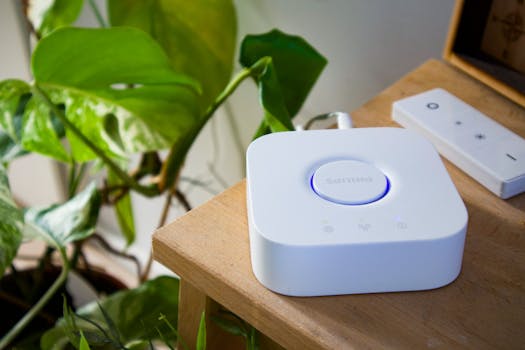 Photo: Pascal 📷 / Pexels
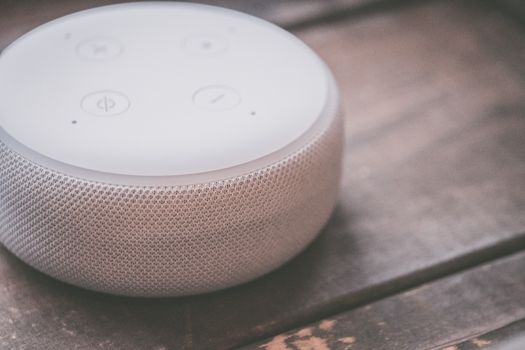 Photo: Jessica Lewis 🦋 thepaintedsquare / Pexels
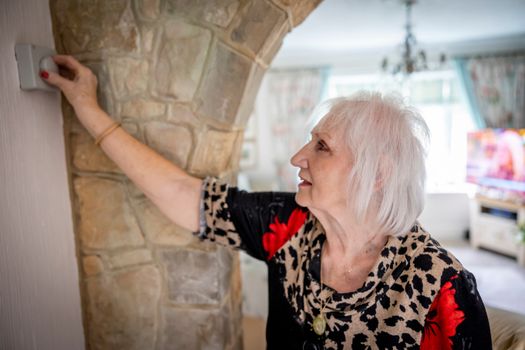 Photo: Centre for Ageing Better / Pexels