Find the best robot vacuum for pet hair: A complete guide
best robot vacuum for pet hair

Find the best robot vacuum for pet hair: A complete guide

Effortlessly conquer pet fur and dander with our expert guide to the top robot vacuums designed for pet owners.

Explore Top Picks

Key Takeaways

  • ✓ Brushless extractors are crucial for preventing hair tangles.
  • ✓ Suction power (Pa) directly impacts effectiveness on pet hair.
  • ✓ Self-emptying docks significantly reduce manual intervention.
  • ✓ Advanced navigation (LiDAR, vSLAM) ensures thorough coverage and avoids obstacles.

How It Works

1
Mapping and Navigation

The robot uses sensors (LiDAR, vSLAM, or cameras) to create a detailed map of your home's layout. This map allows it to plan efficient cleaning paths and avoid obstacles, ensuring comprehensive coverage.

2
Hair Collection

Specialized brushes, often rubberized or brushless, agitate carpets and hard floors to dislodge pet hair. Powerful suction then pulls the hair, dander, and debris into the dustbin, preventing tangles.

3
Filtration and Air Quality

Multi-layer filtration systems, including HEPA filters, capture fine particles like pet dander and allergens. This not only cleans your floors but also improves the overall air quality in your home.

4
Self-Maintenance (Optional)

Many advanced models feature self-emptying base stations that automatically transfer collected debris from the robot's dustbin into a larger, sealed bag. This minimizes human interaction for weeks at a time.

Understanding the Unique Challenge of Pet Hair

Woman petting her dog while sitting on a wooden floor at home, enjoying a peaceful moment indoors. Photo: www.kaboompics.com / Pexels
Pet owners know the struggle: a constant battle against fur, dander, and tracked-in dirt. Unlike regular dust or crumbs, pet hair presents several unique challenges for traditional cleaning methods and standard robot vacuums. Firstly, pet hair is often fine, lightweight, and prone to static cling, making it difficult to pick up from various surfaces. It embeds itself deep within carpet fibers and can form frustrating clumps on hard floors. Secondly, pet hair frequently wraps around roller brushes, leading to tangles that reduce cleaning efficiency and require frequent manual intervention. This is where the engineering behind the best robot vacuum for pet hair truly shines, addressing these specific pain points with innovative solutions. The sheer volume of hair generated by shedding pets, especially during seasonal changes, can quickly overwhelm a standard robot vacuum's dustbin and filtration system. Dander, tiny flakes of skin shed by pets, is another significant concern, particularly for allergy sufferers. These microscopic particles become airborne and settle on surfaces, contributing to indoor air quality issues. A robot vacuum designed for pet hair must not only collect visible fur but also effectively capture this invisible dander. Standard filters often aren't up to the task, allowing fine particles to be recirculated back into the air. Moreover, pets introduce other types of debris, such as paw prints, litter scatter, and small food crumbs, necessitating a vacuum with robust suction and versatile cleaning capabilities. The ideal robot vacuum for pet hair needs to navigate around pet bowls, toys, and even the pets themselves, requiring advanced mapping and obstacle avoidance. The goal is not just to clean, but to maintain a consistently clean environment with minimal effort from the pet owner. This commitment to a pristine home, despite the presence of furry friends, drives the innovation in this specialized segment of the robot vacuum market. Understanding these challenges is the first step in appreciating why a dedicated pet-specific model is often a worthwhile investment over a general-purpose robot vacuum. When considering your options, look for features that directly combat these unique pet-related cleaning obstacles to ensure you're getting a truly effective solution for your home and your furry companions. For more insights into smart home cleaning, explore our guide on smart home cleaning devices.

Key Features to Look for in a Robot Vacuum for Pet Hair
Close-up of a robotic vacuum cleaner operating on a hardwood floor, showcasing modern cleaning technology. Photo: Jens Mahnke / Pexels
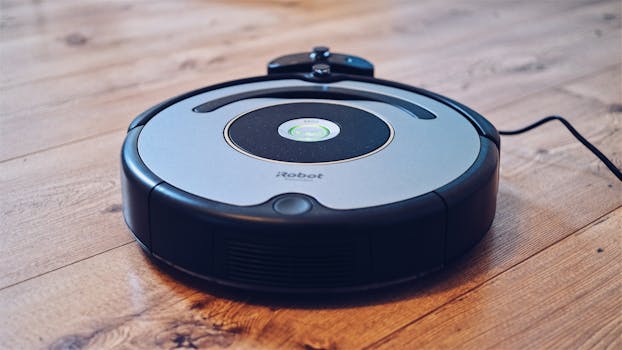
When searching for the best robot vacuum for pet hair, certain features stand out as non-negotiable for optimal performance. The primary differentiator is the brush system. Traditional bristle brushes are notorious for tangling with long pet hair, turning cleaning into a frustrating de-tangling chore. Look for models with rubberized multi-surface brushes or brushless extractors. These designs are specifically engineered to minimize hair wrap, allowing the vacuum to maintain consistent suction and reducing the frequency of manual cleaning. Dual rubber brushes, in particular, are highly effective at agitating carpets and lifting embedded hair without becoming clogged. Suction power is another critical factor. Measured in Pascals (Pa), a higher Pa rating generally indicates more powerful suction, which is essential for lifting stubborn pet hair from various surfaces, especially thick carpets. While a high number isn't the only metric, aim for at least 2000 Pa for effective pet hair removal. Many premium models now offer 4000 Pa or even higher, providing exceptional cleaning depth. Alongside suction, the filtration system is paramount for pet owners. HEPA-grade filters are a must, as they capture 99.97% of airborne particles as small as 0.3 microns, including pet dander, pollen, and dust mites. This significantly improves indoor air quality, a major benefit for allergy sufferers. For ultimate convenience, consider models with a self-emptying dustbin. These innovative base stations automatically transfer the collected dirt and pet hair from the robot's internal bin into a larger, sealed bag in the dock. This means you only have to empty the main station every few weeks or even months, depending on your pet's shedding and home size, drastically reducing your interaction with messy pet fur. Advanced navigation and mapping capabilities, such as LiDAR or vSLAM technology, are also crucial. These systems allow the robot to create accurate maps of your home, plan efficient cleaning paths, and remember no-go zones (like pet food bowls or delicate areas). This ensures thorough coverage and prevents the robot from getting stuck or disturbing pet-specific areas. Without smart mapping, a robot vacuum might randomly bump around, missing spots and getting caught in places it shouldn't be. Lastly, battery life and recharge-and-resume functionality ensure the robot can complete cleaning cycles, even in larger homes, without getting stranded halfway through.

Top Contenders: The best robot vacuum for pet hair Revealed

Close-up of a robotic vacuum cleaner operating on a hardwood floor, showcasing modern cleaning technology. Photo: Jens Mahnke / Pexels
Navigating the crowded market of robot vacuums can be daunting, but for pet owners, a few models consistently rise above the rest due to their specialized features and proven performance. Our top recommendation for the best robot vacuum for pet hair often goes to models like the Roomba j7+ or j9+ series. These iRobot models are celebrated for their patented Dual Multi-Surface Rubber Brushes, which are incredibly effective at lifting pet hair from both carpets and hard floors without tangling. Their advanced PrecisionVision Navigation not only maps your home meticulously but also identifies and avoids pet waste, charging cables, and other common obstacles, a critical feature for pet households. The 'plus' versions come with a Clean Base Automatic Dirt Disposal, which can hold up to 60 days of pet hair and debris, offering unparalleled hands-free convenience. Another strong contender is the Roborock S8 Pro Ultra. This premium model offers an exceptional 6000 Pa of HyperForce suction, making it a powerhouse against even the most embedded pet hair. Its DuoRoller Riser brush system, featuring dual rubber brushes, is designed to reduce hair tangles significantly. What sets the S8 Pro Ultra apart is its comprehensive RockDock Ultra, which not only self-empties but also washes the mop, refills the water tank, and even dries the mop, making it an all-in-one cleaning solution for homes with pets that might track in dirt. Its LiDAR navigation is precise, ensuring efficient cleaning paths and accurate object recognition. For those seeking a balance of powerful suction and smart features, the Roborock S8 Pro Ultra is a stellar choice. For a slightly more budget-friendly yet highly effective option, the Shark IQ Robot Self-Empty XL often makes the cut. While it might not have all the bells and whistles of the premium models, it delivers strong suction and a self-cleaning brushroll that actively pulls pet hair from the brush, preventing tangles. Its self-empty base holds weeks of debris, a huge plus for busy pet parents. While its navigation might not be as sophisticated as LiDAR-based systems, it still maps your home for targeted cleaning. Lastly, don't overlook brands like Ecovacs Deebot, with models like the X1 Omni or T20 Omni, which combine powerful suction, advanced mapping, and innovative features like hot water mop washing and auto-drying for a truly comprehensive clean. Each of these top contenders brings unique strengths to the table, but all share a common goal: to free pet owners from the endless chore of pet hair cleanup. Choosing the right one depends on your specific needs, budget, and the level of automation you desire. For more general tech advice, check out our insights on optimizing your home tech.

Maintenance Tips and Common Mistakes to Avoid
High-tech robotic vacuum cleaner efficiently cleaning modern floor indoors. Photo: Kindel Media / Pexels
To ensure your best robot vacuum for pet hair continues to perform optimally, regular maintenance is absolutely essential. Neglecting these simple tasks can significantly reduce its effectiveness and lifespan. Here are key tips and common mistakes to avoid: **Maintenance Tips:** * **Empty the Dustbin Regularly:** Even with self-emptying models, check the robot's internal dustbin periodically, especially if you have multiple shedding pets. For non-self-emptying models, empty it after every cleaning cycle to prevent reduced suction and overflow. * **Clean Brushes Frequently:** Despite anti-tangle designs, some hair will inevitably accumulate. Use the cleaning tool provided (or scissors) to cut away any wrapped hair from the main brushroll and side brushes. Do this at least once a week, or more often if you have long-haired pets. * **Replace Filters:** HEPA filters are crucial for trapping dander and allergens, but they get clogged over time. Refer to your manual for recommended replacement intervals, typically every 1-3 months. Clogged filters reduce suction and can recirculate allergens. * **Wipe Sensors:** Dust and debris can accumulate on cliff sensors, bumper sensors, and charging contacts, leading to navigation errors or charging issues. Use a dry microfiber cloth to gently wipe these sensors clean every few weeks. * **Clean Wheels:** Hair and debris can get tangled around the robot's wheels, affecting its mobility. Periodically remove any obstructions to ensure smooth operation. **Common Mistakes to Avoid:** * **Ignoring Full Dustbins/Bags:** Waiting too long to empty the dustbin or self-empty bag will lead to diminished cleaning power and potential blockages. Pay attention to app notifications for full bins. * **Not Preparing Your Home:** While smart, robot vacuums aren't infallible. Leaving small items, pet toys, or loose cables on the floor can cause the robot to get stuck or damage itself. A quick pre-clean of clutter will significantly improve cleaning efficiency. * **Skipping Filter Replacements:** A dirty filter is a suffocated vacuum. Don't try to extend the life of a filter beyond its recommended usage; a fresh filter ensures maximum suction and air purification. * **Using Water on Electronic Components:** Never use water or wet cloths to clean electronic parts like sensors or charging contacts. This can cause damage. Stick to dry or slightly damp cloths where specified. * **Not Setting Up No-Go Zones:** If your robot has mapping capabilities, utilize no-go zones or virtual walls to keep it away from pet food and water bowls, delicate items, or areas where it frequently gets stuck. This prevents messes and improves efficiency.

Comparison

FeatureRoomba j9+Roborock S8 Pro UltraShark IQ Robot Self-Empty XL
Suction Power (Pa)220060001800
Brush SystemDual Rubber BrushesDuoRoller Riser (Dual Rubber)Self-Cleaning Brushroll
Self-Emptying✓ (60 days)✓ (7 weeks)✓ (45 days)
Mopping FunctionNo✓ VibraRise 2.0No
Pet Waste Avoidance✓ (PrecisionVision)✓ (Reactive 3D)
NavigationPrecisionVision (Camera)LiDARIQ Navigation (Gyro)
Filter TypeHigh-EfficiencyE11 HEPAHEPA

What Readers Say

"As a multi-cat owner, I was constantly battling fur. The Roomba j7+ has been a game-changer! It picks up everything, and the self-emptying feature means I barely have to think about it. Truly the best robot vacuum for pet hair I've ever owned."

Sarah P. · Austin, TX

"My Golden Retriever sheds like crazy, but the Roborock S8 Pro Ultra handles it with ease. The suction power is incredible, and I love that it mops too. My floors have never been cleaner, and I'm allergic to dog dander, so this has made a huge difference."

Mark D. · Denver, CO

"The Shark IQ Self-Empty XL has been a lifesaver for our two dogs. It picks up all their hair from our hardwood floors and rugs. The self-emptying bin means less hassle, and it really keeps the house looking tidy despite the constant shedding."

Jessica L. · Miami, FL

"I got an Ecovacs Deebot T20 Omni, and it's fantastic for pet hair and general cleaning. The hot water mop wash is a nice touch. Sometimes it struggles with very thick area rugs, but for hard floors and medium pile carpets, it's incredibly effective and quiet."

David R. · Seattle, WA

"With two kids and a fluffy Persian cat, our floors were a constant mess. Our new robot vacuum, a premium iRobot model, easily navigates under furniture and around toys, collecting an astonishing amount of cat hair and debris daily. It's truly transformed our home."

Emily S. · Phoenix, AZ

Frequently Asked Questions

What is the most important feature for a robot vacuum for pet hair?

The most important features are a specialized brush system (preferably rubberized or brushless) to prevent tangles, and strong suction power (2000 Pa or higher) to effectively lift embedded hair and dander. A good filtration system, ideally HEPA-grade, is also crucial for capturing allergens and improving air quality.

Will a robot vacuum get stuck on pet messes?

Advanced robot vacuums like the Roomba j-series or Roborock S8 Pro Ultra feature AI-powered object recognition (e.g., PrecisionVision or Reactive 3D) that can identify and avoid solid pet waste. However, not all models have this, so it's always best to do a quick visual check before starting a cleaning cycle.

How often should I run my robot vacuum if I have pets?

For homes with shedding pets, running your robot vacuum daily or every other day is highly recommended. This prevents pet hair from accumulating and embedding deeply into carpets, making each cleaning cycle more effective and maintaining a consistently cleaner home.

Are robot vacuums for pet hair worth the investment?

Absolutely. For pet owners, the time saved and the significant reduction in pet hair, dander, and allergens in the home make a dedicated robot vacuum for pet hair a worthwhile investment. The convenience of automated cleaning, especially with self-emptying features, vastly improves daily living for many.

Do robot vacuums for pet hair work on all floor types?

The best robot vacuums for pet hair are designed to work effectively on a variety of floor types, including hardwood, tile, laminate, and carpets (low to medium pile). Look for models with multi-surface brushes and strong suction that can automatically adjust to different floor types for optimal performance.

Who should prioritize getting a robot vacuum for pet hair?

Anyone with shedding pets, especially those with allergies or busy lifestyles, will greatly benefit. It's ideal for individuals who want to maintain consistently clean floors without the daily chore of manual vacuuming, helping to manage pet hair and dander effectively.

Are there any safety concerns for pets with robot vacuums?

Most modern robot vacuums are designed with pet safety in mind, featuring obstacle avoidance and quiet operation. However, always supervise initial runs. Ensure small toys or pet waste are cleared to prevent entanglement or messes. Some pets may be initially curious or wary, but most adapt quickly.

What's the future trend for pet hair robot vacuums?

Future trends include enhanced AI-powered object recognition for even better pet waste avoidance, more sophisticated self-cleaning and maintenance features (like integrated hair cutting or advanced filter cleaning), improved battery life, and deeper integration with smart home ecosystems for seamless automation.

Choosing the best robot vacuum for pet hair can revolutionize your home cleaning routine, turning the constant battle against fur and dander into an effortless background operation. By investing in a model with specialized features, you're not just buying a gadget; you're gaining back time, reducing allergens, and enjoying a consistently cleaner living space. Take the leap and discover the freedom of a pet-friendly home, effortlessly maintained.

Topics: best robot vacuum for pet hairpet hair robot cleanerautomatic pet vacuumrobot vacuum for dog haircat hair robot vacuum
Leo List
Brampton weed
Adultwork