Unlocking Your Potential: Benefits of Smartwatches for Fitness
benefits of smartwatches for fitness

Unlocking Your Potential: Benefits of Smartwatches for Fitness

Revolutionize your health journey with advanced tracking, personalized insights, and motivation right on your wrist.

Start Your Fitness Journey

Key Takeaways

  • ✓ Smartwatches track over 100 different activities.
  • ✓ Heart rate monitoring on smartwatches can detect irregular rhythms.
  • ✓ Sleep tracking features can improve sleep quality by up to 20%.
  • ✓ Many smartwatches offer GPS tracking for accurate outdoor workout data.

How It Works

1
Wear Your Device

Simply strap the smartwatch to your wrist. Ensure a snug fit for accurate sensor readings throughout the day and during workouts.

2
Sync with Apps

Connect your smartwatch to its companion app on your smartphone. This allows for data synchronization, analysis, and customization of settings.

3
Track & Monitor

Engage in your daily activities and workouts. Your smartwatch continuously collects data on heart rate, steps, calories, sleep, and more.

4
Analyze & Improve

Review your data in the app to gain insights into your fitness trends, set new goals, and make informed decisions to optimize your health.

Comprehensive Activity and Performance Tracking

A confident young man jogging in a green park, enjoying a healthy lifestyle. Photo: Ketut Subiyanto / Pexels
In the quest for a healthier lifestyle, understanding our physical activity is paramount. Smartwatches have emerged as indispensable tools, offering unparalleled comprehensive activity and performance tracking that goes far beyond a simple pedometer. These sophisticated devices are engineered to be your personal fitness data hub, meticulously recording almost every aspect of your movement and exertion. From the moment you wake up until you go to bed, and even while you sleep, your smartwatch is diligently collecting data that paints a detailed picture of your activity levels. Let's delve into the specifics. At its core, a smartwatch tracks your steps, a fundamental metric for general activity. But it doesn't stop there. It accurately calculates calories burned, not just during dedicated workouts but throughout your entire day, factoring in your basal metabolic rate and activity intensity. Distance covered, whether walking, running, or cycling, is precisely measured using built-in GPS or accelerometer data. Furthermore, modern smartwatches can distinguish between various forms of exercise, automatically recognizing activities like swimming, cycling, or elliptical training. This auto-detection feature means you don't always have to manually start a workout, making tracking seamless and intuitive. For those who engage in specific sports, many smartwatches offer dedicated modes that track sport-specific metrics, such as stroke count for swimmers, elevation gain for hikers, or cadence for cyclists. This level of granularity allows athletes and casual exercisers alike to gain deep insights into their performance, identify areas for improvement, and celebrate progress. Beyond just raw numbers, smartwatches provide performance metrics that are crucial for optimizing training. They can monitor your pace, speed, and even your VO2 Max – a key indicator of cardiovascular fitness. Some advanced models offer running dynamics, analyzing your ground contact time, vertical oscillation, and stride length, which can help improve running form and prevent injuries. Post-workout, you receive detailed summaries that include average heart rate, peak heart rate, recovery times, and even estimated training effect. This data is often presented in easy-to-understand graphs and charts within the companion app, allowing you to visualize your progress over time. For instance, you might see how your average pace for a 5k run has improved over several weeks or how your heart rate recovery has become more efficient. This objective feedback is incredibly motivating, transforming abstract fitness goals into concrete, measurable achievements. By providing such an extensive array of data, smartwatches empower you to make informed decisions about your training, ensuring you're working out effectively and efficiently towards your fitness aspirations. Understanding these detailed metrics is a significant advantage of modern wearable technology.

Advanced Health Monitoring and Wellness Insights
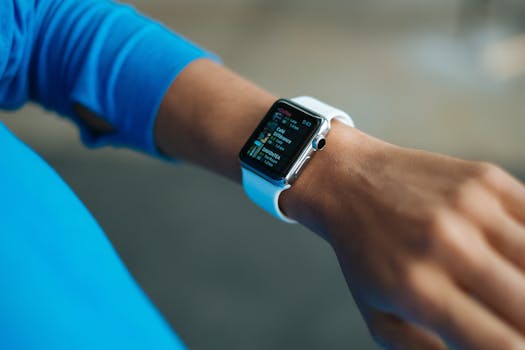
Focus on a smartwatch worn on an adult's wrist, showcasing its digital display. Photo: Pixabay / Pexels
The benefits of smartwatches for fitness extend far beyond tracking workouts; they have become sophisticated health monitoring devices that offer invaluable wellness insights. This capability transforms them from mere fitness gadgets into personal health companions, providing a proactive approach to understanding and managing your overall well-being. The array of sensors packed into these tiny devices allows for continuous, passive monitoring of vital health metrics, often alerting you to potential issues before they become serious. Heart rate monitoring is perhaps one of the most significant health features. Smartwatches continuously track your heart rate throughout the day and night, providing real-time data on your resting heart rate, average heart rate during activity, and even high/low alerts. More advanced models incorporate electrocardiogram (ECG) capabilities, which can detect signs of atrial fibrillation (AFib), a serious heart rhythm disorder. While smartwatches are not medical devices and cannot diagnose conditions, they can provide early warnings, prompting users to consult a healthcare professional. This preventative aspect is a game-changer for many, offering peace of mind and potentially life-saving insights. Beyond basic heart rate, some smartwatches also measure heart rate variability (HRV), a metric that reflects the balance of your autonomic nervous system and can indicate stress levels, recovery status, and overall resilience. Another crucial aspect of health monitoring is sleep tracking. Smartwatches automatically detect when you fall asleep and wake up, and more importantly, they analyze the different stages of your sleep cycle – light, deep, and REM sleep. They also track disturbances, sleep consistency, and duration. By understanding your sleep patterns, you can identify habits that might be hindering your rest and make adjustments to improve sleep quality, which is fundamental for physical and mental recovery. Poor sleep can impact everything from mood and cognitive function to athletic performance and immune health. The detailed sleep reports provided by smartwatches empower users to take control of their nocturnal well-being. Furthermore, many smartwatches now offer blood oxygen (SpO2) monitoring, which can indicate respiratory health and how well your body is distributing oxygen. Continuous SpO2 tracking, especially overnight, can be an indicator of conditions like sleep apnea. Stress tracking is another emerging feature, often using HRV data to estimate your stress levels throughout the day and offering guided breathing exercises to help you manage them. Some devices even track skin temperature, which can provide insights into illness, menstrual cycles, or environmental changes. This holistic approach to health monitoring, combined with the ability to receive medication reminders or hydration alerts, makes smartwatches powerful allies in maintaining and improving overall wellness. They bridge the gap between casual fitness tracking and serious health awareness, empowering individuals to be more informed and proactive about their health.

Motivation, Goal Setting, and Community Engagement
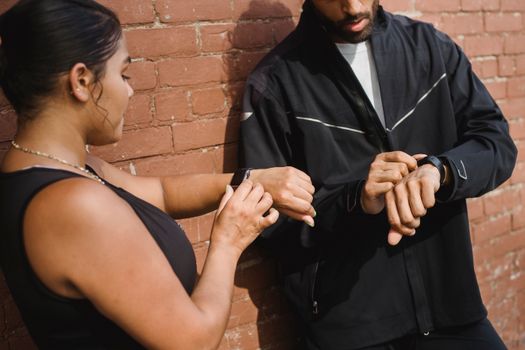
Two people checking smartwatches against a brick wall in urban setting. Photo: Ketut Subiyanto / Pexels
One of the most profound benefits of smartwatches for fitness lies in their ability to act as relentless motivators, personalized coaches, and facilitators of community engagement. It's not just about collecting data; it's about leveraging that data to inspire action, foster consistency, and connect with like-minded individuals. For many, the initial hurdle in any fitness journey is finding and maintaining motivation, and smartwatches are expertly designed to address this challenge head-on. First and foremost, smartwatches excel at goal setting and progress visualization. You can set daily step goals, calorie targets, active minute goals, or even specific workout objectives. The watch then provides real-time feedback, often with visual cues and gentle vibrations, to keep you on track. Seeing your progress bars fill up or receiving a notification that you’ve hit your daily step count can be incredibly satisfying and drive you to push a little further. Many devices use 'rings' or similar visual metaphors that encourage you to close them each day, creating a gamified experience that makes fitness feel less like a chore and more like an achievable daily challenge. This constant, gentle nudge turns abstract aspirations into tangible, daily achievements. Beyond simple goal tracking, smartwatches offer personalized coaching features. Based on your historical data, they can suggest workout routines, remind you to move if you’ve been sedentary for too long, or even guide you through recovery exercises. Some smartwatches offer adaptive training plans that adjust based on your performance and recovery, ensuring you're always training at an optimal level without overtraining. This level of personalized guidance, once the exclusive domain of expensive personal trainers, is now accessible directly on your wrist, making advanced fitness strategies available to a wider audience. The ability to receive real-time coaching during a run, for instance, telling you to speed up or slow down to stay within your target heart rate zone, can significantly enhance workout effectiveness. Community engagement is another powerful motivational tool. Most smartwatch ecosystems allow you to connect with friends, family, or other users. You can share your activity data, participate in friendly competitions, send encouragement, or even join virtual challenges. This social aspect introduces an element of accountability and camaraderie. Knowing that your friends can see your progress or that you're part of a team working towards a collective goal can provide the extra push needed on days when motivation wanes. Competing on a leaderboard or receiving a virtual high-five from a friend after a tough workout reinforces positive habits and makes the fitness journey more enjoyable and sustainable. This blend of personal achievement and social connection creates a robust support system, proving that fitness doesn't have to be a solitary endeavor. Engaging with a community can be a fantastic way to discover new innovations in fitness technology.

Maximizing Your Smartwatch: Tips for Enhanced Fitness
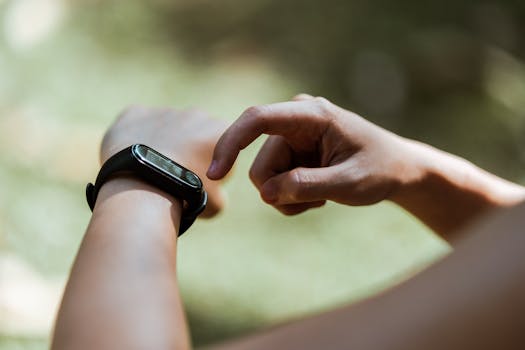
Crop anonymous person tapping modern wearable device with rectangular display while using gadget on blurred background in daylight Photo: Ketut Subiyanto / Pexels
To truly unlock the full potential of your smartwatch for fitness, it's not enough to simply wear it. Strategic use and an understanding of its capabilities can significantly enhance your health journey. Here are some invaluable tips to maximize the benefits you reap from this powerful piece of wearable technology. 1. **Understand Your Metrics:** Don't just look at the numbers; understand what they mean. Learn about heart rate zones, VO2 Max, heart rate variability, and sleep stages. Most smartwatch apps provide educational resources, or a quick online search can clarify these concepts. Knowing what your data signifies allows you to make informed decisions about your training and recovery. 2. **Customize Your Goals:** Default goals are a starting point, but personalize them to your fitness level and aspirations. If 10,000 steps feels too easy or too hard, adjust it. Set specific goals for different activities, such as improving your running pace or increasing your active minutes. Dynamic goal setting keeps you challenged and engaged. 3. **Explore All Features:** Smartwatches are packed with features you might not even know about. Dive into the settings and companion app. Discover guided workouts, meditation exercises, cycle tracking, or advanced sports modes. Many devices offer stress tracking with guided breathing – a fantastic tool for mental wellness that complements physical fitness. 4. **Integrate with Other Apps:** Your smartwatch data can often be synced with popular third-party fitness and nutrition apps. This creates a holistic view of your health, allowing you to combine activity data with diet tracking, mindfulness apps, or even digital coaching platforms. This integration provides a more comprehensive picture of your overall well-being. 5. **Wear It Consistently (and Charge It Smartly):** For the most accurate and insightful data, consistent wear is key. This means wearing it during workouts, throughout the day, and for sleep tracking. Develop a charging routine – perhaps while you shower or during a specific downtime – to ensure it's always ready when you are. 6. **Engage with the Community:** If your smartwatch platform offers social features, use them! Connect with friends, participate in challenges, and share your achievements. A little friendly competition or encouragement from peers can be a powerful motivator and help you stay accountable. 7. **Listen to Your Body (and Your Watch):** Your smartwatch provides data, but it's crucial to listen to your body's signals too. If your watch indicates low recovery or high stress, consider taking a rest day or engaging in lighter activity. The data is there to inform, not to replace your intuition. Use it as a guide to prevent overtraining and promote optimal recovery. 8. **Keep Software Updated:** Manufacturers frequently release software updates that add new features, improve accuracy, and fix bugs. Regularly update your smartwatch and its companion app to ensure you're always benefiting from the latest enhancements and security improvements. By adopting these practices, your smartwatch transforms from a simple gadget into an invaluable partner in achieving and maintaining your fitness and health goals. It's about leveraging technology to empower a healthier, more informed you.

Comparison

FeatureFitness Enthusiast PickHealth & Wellness FocusBudget-Friendly Option
Advanced Workout MetricsGarmin Forerunner 965Apple Watch Ultra 2Fitbit Charge 6
ECG & AFib DetectionNoYesNo
Battery Life (typical use)Up to 23 daysUp to 36 hoursUp to 7 days
Built-in GPS
Blood Oxygen (SpO2)
Sleep TrackingAdvancedAdvancedAdvanced
Music Storage
Water Resistance5 ATM100m5 ATM

What Readers Say

"My smartwatch completely changed my running routine. The detailed pace and heart rate zones helped me improve my speed and endurance significantly. I love seeing my progress over time!"

Sarah J. · Austin, TX

"As someone focused on overall health, the sleep tracking and stress monitoring features are invaluable. My smartwatch provides insights that help me manage my daily well-being, not just my workouts."

Mark D. · Seattle, WA

"I used to struggle with consistency, but my smartwatch's daily activity goals and friendly reminders keep me moving. I've increased my daily steps by 3,000 and feel so much more energetic now!"

Jessica L. · Miami, FL

"While the fitness tracking is excellent, I sometimes wish the battery life was longer, especially with GPS on. However, the comprehensive data and coaching still make it an essential tool for my hiking."

David R. · Denver, CO

"I'm not an athlete, but my smartwatch helps me stay active and mindful of my health. The gentle nudges to stand up and the easy-to-understand health summaries are perfect for my busy lifestyle."

Emily S. · Chicago, IL

Frequently Asked Questions

What are the primary benefits of smartwatches for fitness?

The primary benefits include comprehensive activity tracking (steps, calories, distance, diverse workouts), advanced health monitoring (heart rate, ECG, blood oxygen, sleep, stress), and powerful motivational tools like goal setting, personalized coaching, and community challenges to foster consistency and progress in your fitness journey.

Are smartwatches accurate enough for serious fitness tracking?

Yes, modern smartwatches are highly accurate for fitness tracking. While not medical-grade devices, their sensors for heart rate, GPS, and accelerometers provide reliable data for performance analysis, training optimization, and monitoring health trends, making them suitable for both casual users and serious athletes.

How do smartwatches help with goal setting and motivation?

Smartwatches aid goal setting by allowing users to define daily targets for steps, activity minutes, or specific workout metrics. They provide real-time feedback, visual progress cues, and celebratory notifications. Gamified elements, personalized coaching suggestions, and social sharing features with friends also provide strong motivational boosts.

What is the typical cost of a good fitness smartwatch?

The cost of a good fitness smartwatch can vary widely. Entry-level models with essential tracking features can start around $100-$150. Mid-range devices with more advanced health sensors and GPS typically range from $200-$400, while premium smartwatches with extensive features, high-end materials, and longer battery life can cost $500 or more.

How do smartwatches compare to traditional fitness trackers?

Smartwatches offer a more comprehensive experience than traditional fitness trackers. While both track activity, smartwatches typically provide a full color display, more advanced health sensors (like ECG), smartphone notifications, app ecosystems, and often a wider range of smart functionalities beyond just fitness, such as mobile payments and voice assistants.

Who can benefit most from using a smartwatch for fitness?

Anyone looking to improve their health and fitness can benefit. This includes beginners needing motivation and guidance, athletes seeking detailed performance analytics, individuals wanting to monitor their general health (like heart rate and sleep), and those who appreciate the convenience of smart features integrated with their fitness tracking.

Can smartwatches detect serious health conditions?

While smartwatches can monitor various health metrics and alert users to potential anomalies (like irregular heart rhythms or low blood oxygen), they are not medical diagnostic devices. They can provide valuable data that may prompt a visit to a doctor for professional diagnosis, but they should not be used as a substitute for medical advice or treatment.

What are the future trends for smartwatches in fitness?

Future trends include even more sophisticated health sensors (e.g., non-invasive blood glucose monitoring), enhanced AI-driven personalized coaching, improved battery life, seamless integration with augmented and virtual reality for immersive workouts, and deeper integration with clinical health systems for preventative care and chronic condition management.

Embrace the power of wearable technology and transform your health journey. Explore the vast benefits of smartwatches for fitness today and discover how personalized data, motivation, and insights can help you achieve your wellness goals and live a more active, informed life.

Topics: benefits of smartwatches for fitnessfitness tracker featureswearable tech healthsmartwatch workout trackinghealth monitoring devices
Leo List
Brampton weed
Adultwork