Affordable Smart Home Devices for Beginners
affordable smart home devices for beginners

Affordable Smart Home Devices for Beginners

Unlock convenience and efficiency with budget-friendly smart home tech, designed for simple integration into any lifestyle.

Start Your Smart Home Journey

Key Takeaways

  • ✓ Smart homes can be affordable, often starting under $50 per device.
  • ✓ Many beginner-friendly devices offer simple plug-and-play setup.
  • ✓ Focus on core areas like lighting, security, or energy for initial setup.
  • ✓ Compatibility is key: choose devices that work well together or with a central hub.

How It Works

1
Identify Your Needs

Consider which aspects of your home life you want to automate or improve. Do you want to save energy, enhance security, or simply add convenience?

2
Choose Core Devices

Start with 1-3 essential devices like smart plugs, smart bulbs, or a basic security camera. These offer significant impact for a low entry cost.

3
Install and Connect

Most beginner smart devices are designed for easy installation, often requiring just an app and a Wi-Fi connection. Follow the manufacturer's instructions carefully.

4
Expand and Automate

Once comfortable, gradually add more devices and explore automation routines. This allows your devices to work together seamlessly, enhancing your smart home experience.

Demystifying Smart Home Technology for Newbies
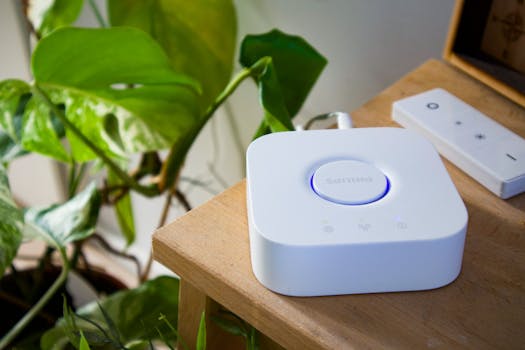
Philips smart hub beside a leafy plant in a stylish indoor setting, showcasing modern home automation. Photo: Pascal 📷 / Pexels
Embarking on the smart home journey can feel overwhelming, with a myriad of devices, protocols, and platforms vying for your attention. However, the good news is that creating an intelligent, connected living space no longer requires a deep technical background or a hefty budget. The market has matured significantly, offering an abundance of affordable smart home devices specifically designed for beginners. These entry-level gadgets prioritize ease of use, simple installation, and straightforward integration, making them perfect for anyone looking to dip their toes into home automation without feeling swamped. For many, the initial hurdle is understanding what a 'smart home' truly entails. At its core, a smart home uses internet-connected devices to enable remote monitoring and management of appliances and systems, often through a smartphone app or voice commands. This can range from turning off lights from your bed to checking your front door camera while at work. The beauty of starting with affordable options is that you can experiment and discover what works best for your lifestyle without making a significant financial commitment. Think of it as building your smart home ecosystem one convenient, budget-friendly brick at a time. You don't need to automate every single aspect of your home overnight. Instead, focus on areas where you feel smart technology can genuinely improve your daily routine or address a specific pain point. Perhaps you always forget to turn off the living room lights, or you worry about package deliveries when you're not home. Affordable smart home devices offer practical solutions to these everyday challenges. One of the most crucial aspects for beginners is understanding compatibility. While many devices claim universal compatibility, it's wise to consider whether your chosen devices will 'speak' to each other. This often involves selecting devices that work with popular smart home ecosystems like Amazon Alexa, Google Assistant, or Apple HomeKit. Many affordable devices are designed to integrate seamlessly with one or more of these platforms, allowing you to control everything from a single app or through voice commands. This avoids the frustration of having multiple apps for different devices. Furthermore, many entry-level devices connect directly to your home Wi-Fi network, eliminating the need for a separate hub, which can often be an additional cost and complexity for new users. This direct-to-Wi-Fi approach simplifies setup immensely, making the barrier to entry even lower. As you gain confidence, you can explore more advanced concepts like creating custom routines or integrating devices from different brands. But for now, let's focus on the simple, effective, and budget-friendly solutions that are readily available. The goal is to enhance your living experience, not complicate it, and affordable smart home devices are perfectly positioned to achieve just that.

Essential & Affordable Smart Home Devices to Kickstart Your Setup
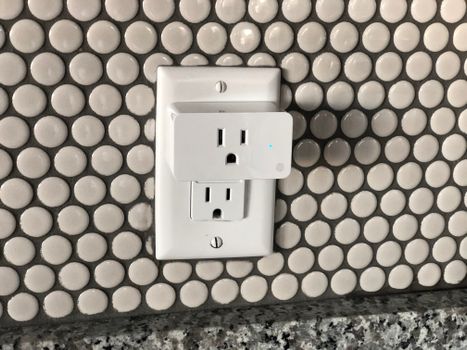
Close-up of a smart plug on a tiled wall showcasing contemporary interior design style. Photo: Kenny Ginapp / Pexels
When beginning your smart home journey, certain devices stand out for their affordability, ease of use, and immediate impact on daily life. These are the workhorses that provide tangible benefits without requiring a significant investment or complex installation. Let's delve into the most popular and effective options for beginners. **Smart Plugs:** Arguably the simplest and most versatile smart home device, smart plugs transform any 'dumb' appliance into a smart one. Plug in a lamp, a coffee maker, or a fan, and you can instantly control it remotely via an app, schedule it to turn on/off at specific times, or even link it to voice assistants. Their affordability makes them an excellent starting point for automating various aspects of your home. You can find reliable smart plugs for under $20, and they require no wiring or complex setup – just plug them into an existing outlet. **Smart Light Bulbs:** Beyond just turning lights on and off, smart bulbs offer a world of possibilities. You can change colors, adjust brightness, set schedules, and even sync them with music or your sleep cycle. While individual bulbs might seem slightly more expensive than traditional ones, their energy efficiency and long lifespan often justify the cost. Many brands offer starter kits at competitive prices, making it easy to outfit a room or two. Look for Wi-Fi enabled bulbs that don't require a separate hub, simplifying your initial setup. **Basic Smart Security Cameras:** Peace of mind doesn't have to come with a hefty price tag. Affordable indoor and outdoor smart security cameras provide live feeds, motion detection alerts, and often two-way audio, all accessible from your smartphone. These are fantastic for monitoring pets, checking on children, or keeping an eye on your property. While more advanced features like local storage or professional monitoring might cost extra, many basic models offer free cloud storage for short clips, making them highly accessible for beginners. **Smart Thermostats (Entry-Level):** While some smart thermostats can be pricey, several excellent entry-level models offer significant energy savings and convenience for a reasonable cost. These devices learn your preferences, can be controlled remotely, and often come with features like geofencing (adjusting temperature based on your proximity to home). Even basic models can help reduce your energy bill, making them a smart long-term investment that pays for itself over time. Installation is usually straightforward, often involving replacing your existing thermostat with minimal wiring. **Smart Door/Window Sensors:** For basic security and automation, these small, inexpensive sensors are invaluable. Attach them to doors or windows, and they'll alert you if opened unexpectedly. Beyond security, they can trigger other smart devices – for example, turning on a light when a door opens. They are battery-powered and easy to install with adhesive, making them a perfect, non-intrusive addition to any beginner smart home. By focusing on these core, affordable smart home devices, you can build a functional and convenient smart home ecosystem without breaking the bank. Each of these categories offers significant value and a relatively low learning curve, setting you up for success as you gradually expand your smart home capabilities.

Building Your Smart Home Ecosystem: Compatibility & Expansion
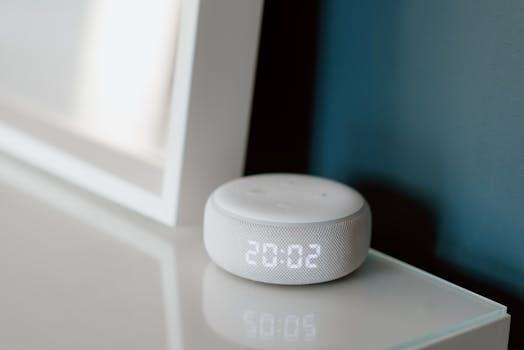
Close-up of a smart speaker with an illuminated 20:02 LED clock display on a desk. Photo: Anete Lusina / Pexels
Once you've acquired a few affordable smart home devices, the next logical step is to consider how they work together and how you might expand your setup in the future. The concept of a 'smart home ecosystem' refers to the interconnected network of devices and platforms that communicate with each other to create a seamless, automated experience. For beginners, understanding this ecosystem is crucial to avoid compatibility headaches down the line. The foundation of any good smart home ecosystem is a central control point, often referred to as a hub or a voice assistant. While many affordable devices are 'hub-free' and connect directly to your Wi-Fi, they often integrate with popular voice assistants like Amazon Alexa or Google Assistant. These voice assistants act as a virtual hub, allowing you to control various brands and types of devices through a single interface – your voice or their respective apps. When purchasing new devices, always check for compatibility badges like 'Works with Alexa' or 'Works with Google Assistant.' This ensures that your new gadget will seamlessly integrate with your existing setup, avoiding the frustration of managing multiple apps or incompatible systems. Apple HomeKit is another robust ecosystem, though its device compatibility can sometimes be more selective. Beyond voice assistants, some users might eventually consider a dedicated smart home hub like SmartThings or Hubitat. While these often represent a slightly more advanced step, they offer enhanced local control, greater customization, and the ability to integrate devices using different wireless protocols (like Zigbee or Z-Wave), which can be more reliable and energy-efficient than Wi-Fi for certain applications. However, for beginners, sticking with Wi-Fi devices and a voice assistant is usually the most straightforward and cost-effective approach. Expanding your smart home doesn't mean buying the most expensive gadgets. It means strategically adding devices that complement your current setup and address new needs. For example, if you started with smart plugs for lamps, you might next add smart light switches to control ceiling lights or smart blinds for automated window coverings. If you have a smart security camera, you might add smart door locks for keyless entry or smart motion sensors to trigger automated lighting when someone enters a room. The key is gradual expansion, ensuring each new device adds value and integrates smoothly. Think about creating 'scenes' or 'routines' – automated sequences where multiple devices work in concert. For instance, a 'Good Morning' routine could turn on your bedroom lights, start your coffee maker (via a smart plug), and adjust your thermostat to a comfortable temperature. These routines are where the true power and convenience of a smart home shine, making your daily life effortlessly smoother. Remember, the goal is not just to collect smart devices but to create a cohesive and functional system that makes your life easier and more efficient. By focusing on compatibility and thoughtful expansion, beginners can build a robust and feature-rich smart home over time, all while maintaining a budget-conscious approach. The modular nature of smart home tech means you can evolve your system at your own pace, adding new capabilities as your needs and understanding grow.

Tips for Success and Common Beginner Mistakes to Avoid

An IT professional operates a computer in a server room, managing network systems and connected devices. Photo: panumas nikhomkhai / Pexels
Starting your smart home journey with affordable devices is smart, but navigating the initial setup and expansion can still present challenges. Here are crucial tips for success and common pitfalls to avoid: **Tips for Success:** * **Start Small and Simple:** Don't try to automate your entire house at once. Pick one or two areas (e.g., lighting in the living room, security at the front door) and master them before expanding. * **Prioritize Your Needs:** What problems are you trying to solve? Energy saving? Convenience? Security? Let your needs guide your purchases, rather than buying gadgets just because they're 'smart.' * **Check Compatibility:** Always verify that new devices work with your existing smart home platform (Alexa, Google Assistant, HomeKit) and your home Wi-Fi network. Read product descriptions carefully. * **Strong Wi-Fi is Key:** Many affordable smart devices rely heavily on a stable 2.4 GHz Wi-Fi connection. Ensure your router is up to the task and consider Wi-Fi extenders if you have dead zones. * **Read Reviews:** Look for reviews from other beginners regarding ease of setup, app functionality, and reliability. User experiences can be incredibly insightful. * **Learn Basic Automation:** Explore the 'routines' or 'scenes' features in your smart home app. This is where the magic happens, allowing devices to work together automatically. **Common Beginner Mistakes to Avoid:** * **Ignoring Wi-Fi Requirements:** Some devices only work on 2.4 GHz Wi-Fi, while others might prefer 5 GHz. Most affordable devices are 2.4 GHz. If your router broadcasts both, you might need to temporarily disable 5 GHz during setup. * **Buying Incompatible Devices:** This is a major headache. A device that doesn't work with your chosen ecosystem will lead to frustration and wasted money. * **Overcomplicating the Setup:** Resist the urge to buy every cool gadget you see. Stick to your core needs and expand thoughtfully. * **Neglecting Security:** Ensure your Wi-Fi network is secure with a strong password. Change default passwords on new smart devices if prompted. Keep device firmware updated. * **Forgetting Power Requirements:** Some smart devices (like certain smart switches) require a neutral wire in your electrical box. Always check this before purchasing or attempting installation. * **Not Testing Routines:** After setting up an automation, test it multiple times to ensure it functions as expected. Minor tweaks can make a big difference in reliability. By following these guidelines, beginners can smoothly integrate affordable smart home devices into their lives, creating a more convenient, efficient, and secure living environment without the common pitfalls.

Comparison

FeatureBest Budget OptionMid-Range AlternativePremium Pick
Smart PlugTP-Link Kasa Smart Plug MiniWyze Plug OutdoorLutron Caseta Dimmer Plug
Smart BulbWyze Bulb ColorPhilips Hue White (Starter Kit)Nanoleaf Essentials A19
Security CameraWyze Cam v3Ring Indoor CamArlo Essential Spotlight Camera
Smart ThermostatHoneywell Home T5 Wi-Fiecobee3 liteGoogle Nest Learning Thermostat

What Readers Say

"I was so intimidated by smart home tech, but these affordable smart home devices for beginners made it incredibly easy. I started with smart plugs and now my lamps turn on automatically at sunset!"

Sarah J. · Austin, TX

"As a first-timer, I really appreciated the focus on budget-friendly options. The smart light bulbs were a game-changer for ambiance and saving energy, and the setup was a breeze."

Mark D. · Orlando, FL

"Thanks to these recommendations, I installed a basic smart camera and smart door sensors in under an hour. Now I feel much safer and can check on my home from anywhere, a fantastic result!"

Emily R. · Denver, CO

"The article was incredibly helpful for navigating the options. While I wish some devices had more advanced features at the entry-level price, the core functionality of these affordable smart home devices for beginners is excellent and reliable."

David P. · Seattle, WA

"My parents, who are not tech-savvy, were able to set up smart plugs for their lamps after reading this. It's truly for beginners and has made their daily routine so much simpler."

Jessica L. · Boston, MA

Frequently Asked Questions

What are the absolute essential affordable smart home devices for beginners to start with?

For beginners, the absolute essentials are smart plugs and smart light bulbs. They are inexpensive, incredibly easy to install (often just plug-and-play), and offer immediate, tangible benefits like remote control and scheduling for lights and appliances. A basic indoor security camera is another great addition for immediate peace of mind without a huge investment.

Do I need a smart home hub to use affordable smart home devices?

No, many affordable smart home devices for beginners are 'hub-free' and connect directly to your home's Wi-Fi network. They are typically controlled via a smartphone app or integrate with popular voice assistants like Amazon Alexa or Google Assistant, which act as a virtual hub without requiring a separate physical device.

How do I install affordable smart home devices?

Most affordable smart home devices are designed for extremely easy installation. For smart plugs and bulbs, it's often as simple as plugging them in or screwing them into a socket, downloading the manufacturer's app, and following on-screen instructions to connect to your Wi-Fi. Basic cameras might involve mounting and plugging into power, then app-based setup. No complex wiring is usually required for these entry-level options.

Is investing in affordable smart home devices truly worth the cost?

Absolutely. Even affordable smart home devices offer significant value. They can save you money on energy bills (e.g., smart thermostats, scheduled lights), enhance security and peace of mind (cameras, door sensors), and provide immense convenience by automating daily tasks. The initial small investment often pays for itself through efficiency and improved quality of life.

How do affordable smart home devices compare to more expensive, premium options?

Affordable smart home devices prioritize core functionality, ease of use, and budget-friendliness. They might lack some advanced features found in premium options, such as robust local control, intricate sensor networks, or specialized protocols like Zigbee/Z-Wave. However, for basic automation, remote control, and integration with voice assistants, they perform exceptionally well and offer a great entry point without the high price tag.

Who should consider using affordable smart home devices for beginners?

Anyone curious about home automation but hesitant about complexity or cost should consider these devices. They are perfect for renters, first-time homeowners, students, or individuals looking to enhance specific aspects of their living space without a full overhaul. If you want convenience, security, or energy savings without a steep learning curve, these devices are for you.

Are there any security risks with affordable smart home devices?

Like any internet-connected device, there are potential security considerations. To mitigate risks, always use strong, unique passwords for your Wi-Fi and device accounts, enable two-factor authentication if available, and keep device firmware updated. Buy from reputable brands that prioritize security updates. Most risks are minimal if basic cybersecurity practices are followed.

What future trends should beginners be aware of in affordable smart home tech?

Beginners should watch for increased interoperability standards like Matter, which promises even smoother integration across different brands and ecosystems. Expect more devices with built-in AI for personalized automation, greater energy efficiency, and continued improvements in voice assistant capabilities, making smart homes even more intuitive and accessible at lower price points.

Ready to transform your living space? Embrace the future of home automation today with these accessible and affordable smart home devices for beginners. Start small, build smart, and enjoy the convenience and peace of mind you deserve.

Topics: affordable smart home devices for beginnersbudget smart homeeasy smart home setupbeginner smart home techsmart home essentials
Leo List
Brampton weed
Adultwork EstrelaBet Vai de Bet R7 Bet Betão Galera Bet Rainbet Bet9ja Shop SportyBet BetKing Sisal Loto Foot Hollywoodbets YesPlay Odibets RushBet Jugabet BetWarrior BetCity MSport betPawa Fortebet